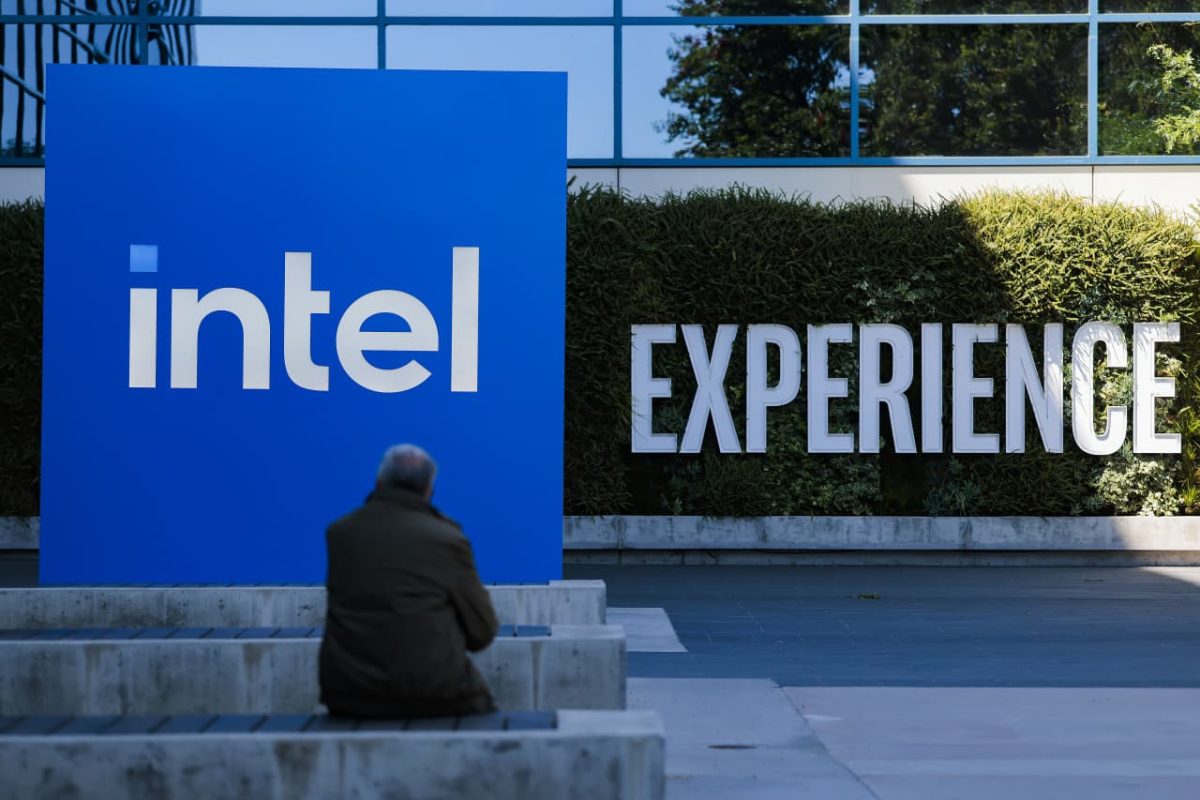
Intel shares fell Thursday after Elon Musk said the Terafab chip manufacturing project could bring in an additional semiconductor partner, signaling that Intel may not be the sole company building chips for the venture.
Musk's comment, made in a post on X, stopped short of naming a second company or confirming terms. Intel has not publicly addressed whether its arrangement with Terafab is exclusive, and the company did not immediately respond to a request for comment.
The stock reaction was swift. Intel shares, which had climbed in recent weeks on optimism about the Terafab tie-up, gave back part of those gains as traders weighed the possibility that the work — and the revenue attached to it — could be split among multiple chipmakers. Intel has been counting on outside manufacturing contracts to help fill capacity at its foundry business, the unit it has spent billions building out since 2021.
Terafab is the name Musk has used for a large-scale chip fabrication effort tied to his companies, which span Tesla, SpaceX, xAI and Neuralink. Those businesses consume enormous volumes of processors for autonomous driving, satellite communications and AI training, giving the project a built-in customer base before a single wafer is produced.
For Intel, the stakes are significant. The company reported a net loss of $18.8 billion for 2024, its first annual loss since 1986, and has been under pressure to prove its foundry unit can win major external customers. Landing a marquee name like Musk would validate that strategy; sharing the work with a rival would dilute the benefit.
Intel's foundry business reported $17.5 billion in revenue for 2024, but most of that came from internal chip design teams rather than outside clients. Chief Executive Pat Gelsinger left the company in December 2024 after a board dispute over the pace of the turnaround, and interim leadership has continued to push for external manufacturing deals.
Musk has a history of spreading large manufacturing commitments across suppliers. Tesla sources batteries from multiple vendors, including Panasonic and CATL, rather than relying on a single partner. A similar approach at Terafab would fit that pattern and reduce his exposure to any one company's production delays.
Intel's foundry rivals include Taiwan Semiconductor Manufacturing Co. and Samsung, both of which already manufacture chips at the leading edge and have far more external customer experience than Intel. Either could plausibly be named as a Terafab partner.
Intel shares have swung sharply in 2025 on headlines about foundry deals and government interest in domestic chip production. The company remains the largest U.S.-based semiconductor manufacturer by headcount and operates fabrication plants in Arizona, Oregon, New Mexico and Ohio.