More American households say they are worse off financially than a year ago and expect their situation to deteriorate further, according to a Federal Reserve Bank of New York survey that tracks consumer expectations. The share of respondents reporting a weaker financial position rose, and the share expecting to be in worse shape a year from now also climbed, marking a pessimistic turn in a gauge the central bank watches closely.
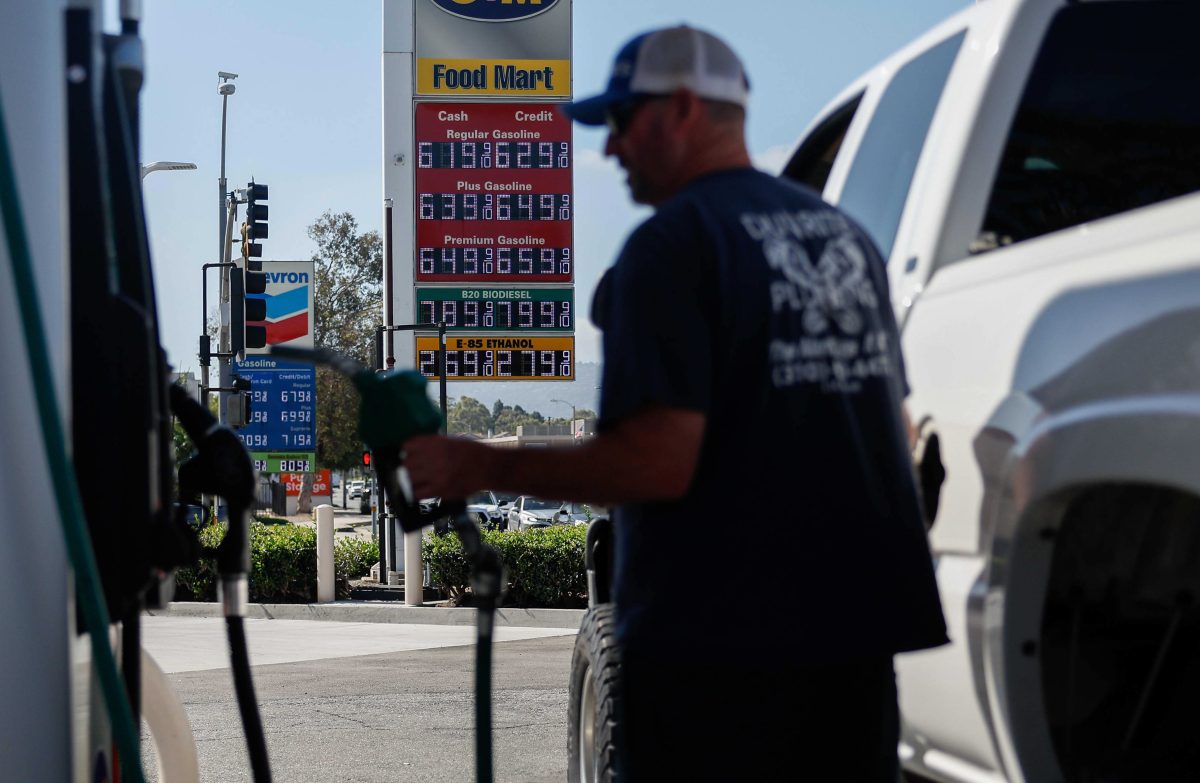
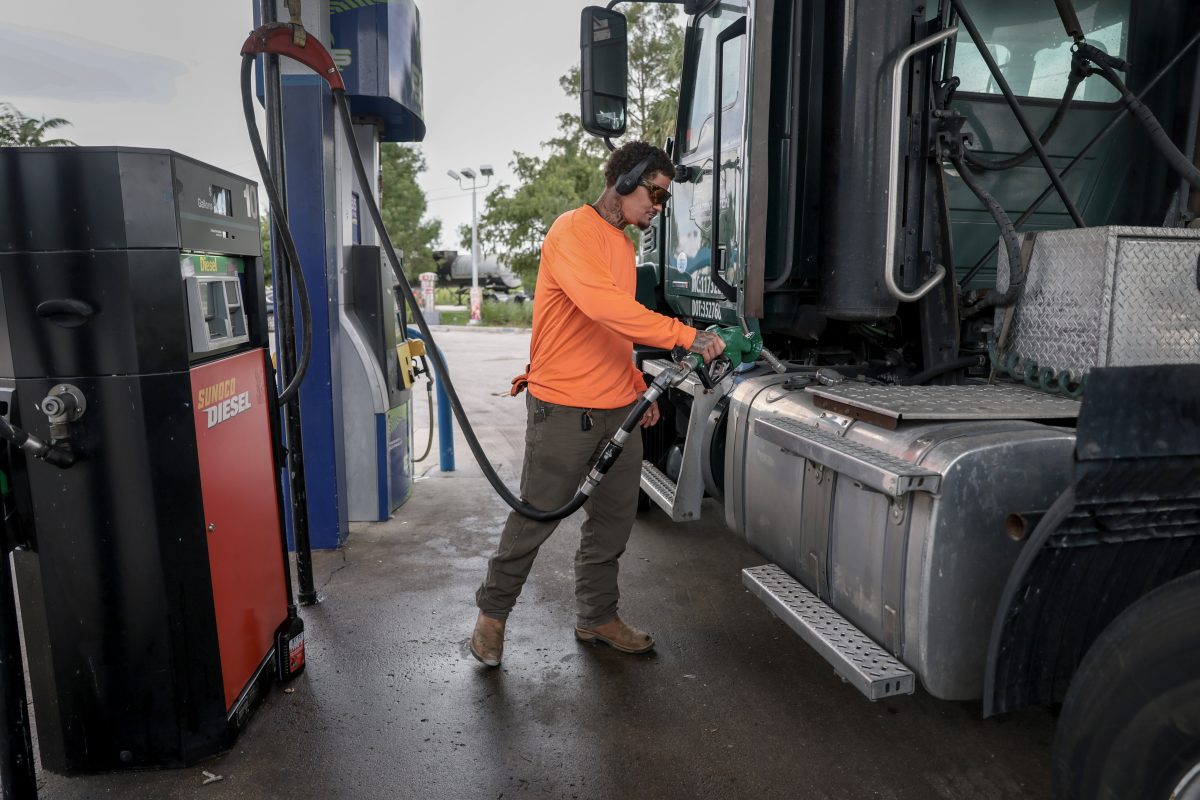
The souring mood tracks directly to prices at the pump. Gas prices rose nearly 4% in August alone and are up more than 27% compared with August 2025, according to the latest consumer price index. That jump hits household budgets almost immediately, since fuel costs feed into commuting, groceries and nearly every delivered good.
The New York Fed's Survey of Consumer Expectations is a monthly poll of roughly 1,300 households and is used by policymakers to gauge how inflation is shaping behavior. When consumers expect their finances to worsen, they typically pull back on discretionary spending — a shift that can slow the broader economy.
An expert quoted in coverage of the survey warned that households face "tough choices" ahead as they weigh rising costs against flat or modestly growing incomes. The warning reflects a pattern economists have flagged for months: sentiment can sour even when headline unemployment remains low, because workers feel the squeeze through prices rather than paychecks.
Gas prices are a particularly potent driver of consumer psychology. Unlike rent or medical bills, they are posted on signs in every neighborhood and adjusted daily, so households register increases constantly. A 27% year-over-year increase translates to roughly $13 more for a 15-gallon fill-up compared with a year ago, based on the average price per gallon.
The survey results arrive as the Fed weighs interest rate decisions against inflation that has proven stickier than forecasters expected. Fed officials have said they monitor inflation expectations carefully because consumers who anticipate rising prices may demand higher wages, potentially creating a feedback loop that keeps inflation elevated.
Households reporting a worse financial situation than a year ago cited higher prices for everyday goods as a primary factor, according to the survey data. The pessimism was broad-based rather than concentrated among lower-income respondents, suggesting the strain has spread across income brackets.