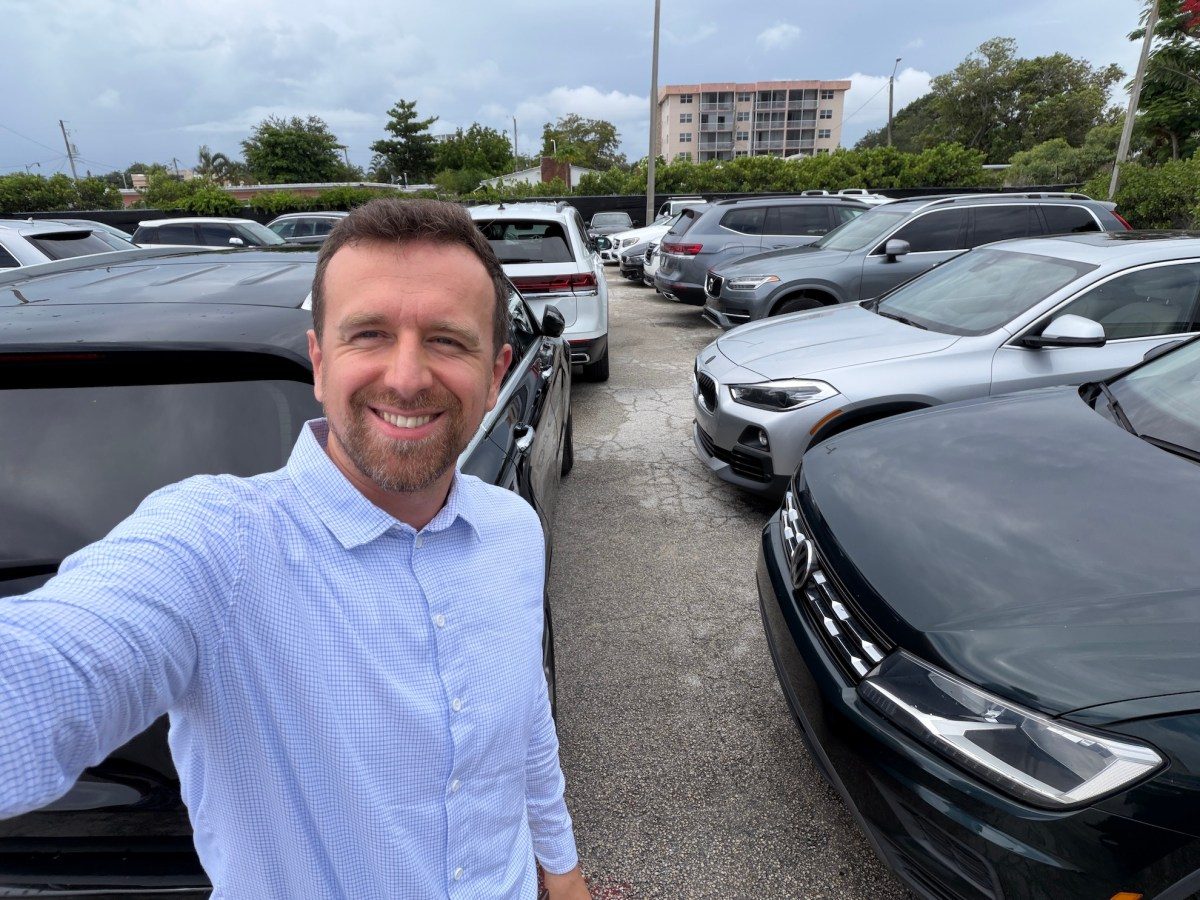
A startup is building a business around the millions of used cars that sit unsold on dealership and wholesale lots, aiming to convert that idle inventory into rental revenue before it depreciates further, company co-founder Dobrianskyi said in a recent interview.
The pitch rests on a straightforward problem: vehicles that sit on lots lose value every month they go unsold, while rental demand continues for affordable short-term transportation. By putting those cars to work as rentals, the company argues, dealers and owners can recover some of the money that depreciation would otherwise erase.
"Millions and millions of used cars are sitting on parking lots, depreciating and losing value," Dobrianskyi said.
The used-car market is enormous by any measure. Roughly 36 million used vehicles change hands in the United States each year, according to industry sales data, several times the volume of new-car sales. Between the time a car is listed and the time it sells, it typically loses value at a steady monthly rate, a cost borne by whoever holds the title.
That holding cost is the opening the startup is trying to exploit. Rental fleets historically buy new vehicles and sell them after a set period, but the economics of renting out older, already-depreciated cars are different: the purchase price is lower, so the revenue needed to break even on each vehicle is smaller.
The company is not the first to try bridging the gap between idle inventory and rental demand. Peer-to-peer car-sharing platforms have spent the past decade signing up individual owners to rent out personal vehicles, and traditional rental companies have long cycled used cars through their fleets before selling them at auction. What distinguishes this approach, according to its founder, is scale: going after lots of unsold cars rather than one owner at a time.
Execution carries real risks. Renting out used vehicles means managing maintenance, insurance, and liability across a scattered fleet, and rental revenue only beats depreciation if the cars are actually booked. Utilization rates, not inventory access, tend to decide whether these models work.
Dobrianskyi did not disclose how many vehicles the startup has signed up or when the service will launch.
For dealers, the appeal is a second income stream on cars that are already costing them money. For the startup, the bet is that a large enough pool of idle vehicles can be turned into a rental network without buying a single car outright.