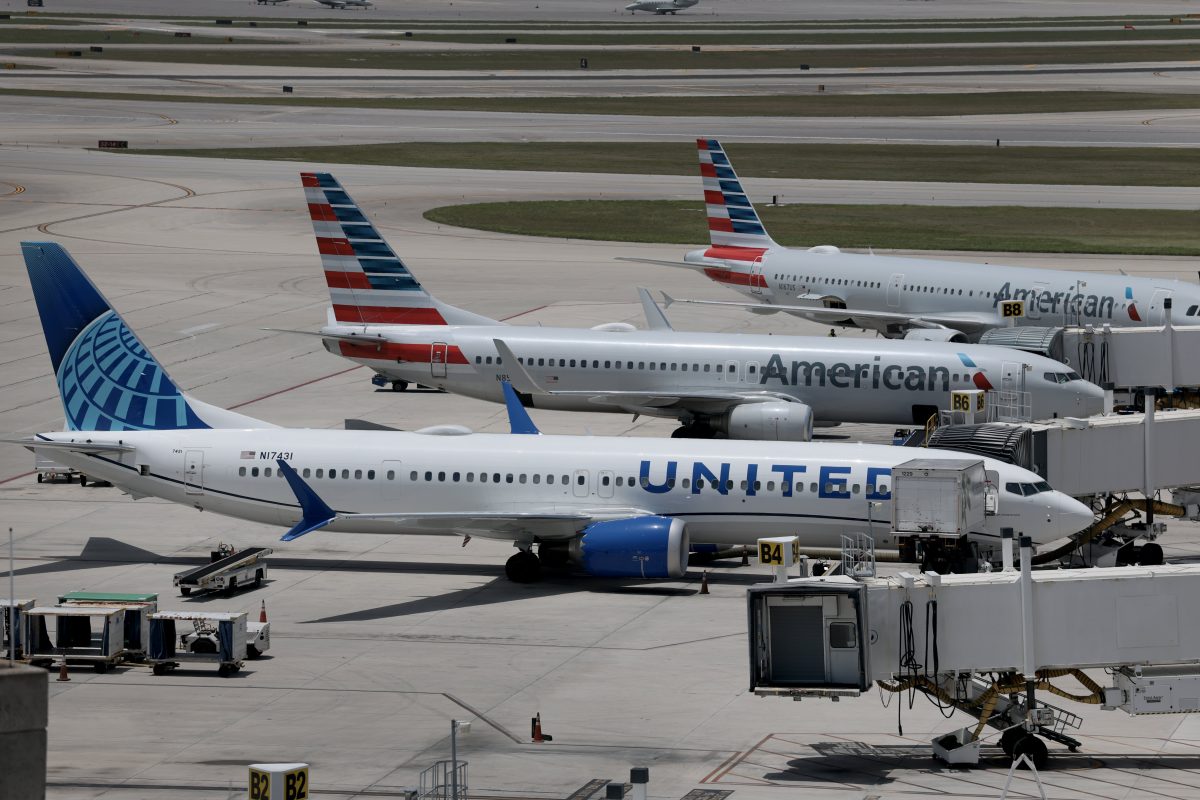
United Airlines is requiring Delta and American Airlines frequent flyers to spend as much as $7,000 to match its top-tier 1K status, the carrier's highest published loyalty tier below invitation-only Global Services, as it escalates a fight for the industry's most profitable customers.
The spend requirement applies to travelers holding elite status at Delta or American who want equivalent standing in United's MileagePlus program. United is pitching the match as a shortcut for frequent business travelers who would otherwise need a full year of qualifying flights and spending to reach 1K organically.
The barrier is steepest for flyers at the entry level of their current programs. A traveler with Delta's lowest Medallion tier, Silver, or American's equivalent Gold status, would face the same qualifying spend threshold as higher-tier applicants before United grants a match, according to the terms of the offer.
United's move targets a narrow slice of the flying public. Airline loyalty programs generate billions of dollars annually through co-branded credit cards and partner spending, and the top 1% of members typically account for a disproportionate share of that revenue. Delta and American have spent the past several years tightening their own elite requirements, raising spending thresholds and limiting lounge access to thin out crowded tiers.
Those changes created an opening. Flyers who fell short of Delta or American's tougher 2024 and 2025 standards are precisely the customers United is courting, offering them a path to status without starting from zero. Delta's Medallion program now requires Silver members to spend $5,000 on Delta-issued cards or take qualifying flights to retain benefits, while American's AAdvantage program restructured its Loyalty Point system in 2022 to reward credit card spending alongside flying.
Status matches are a long-standing tool in the airline industry, but they typically come with softer terms, such as a three-month trial period that converts to full status only if the traveler hits a spending target. United's upfront $7,000 requirement for 1K signals it is screening for big spenders rather than volume flyers.
For Delta and American, the risk is losing corporate accounts one traveler at a time. Business flyers who hold top status often influence which airline their employer books, and a defection at the 1K level can pull six-figure annual travel budgets to a competitor. United has not disclosed how many matches it expects to process or whether the offer is permanent or a limited-time promotion.
All three carriers have reported strong premium demand in recent quarters, with domestic first-class and business cabins filling at higher rates than before the pandemic. That pricing power gives United room to compete on perks rather than fares, a strategy that avoids a direct price war while still pressuring rivals' most valuable customers.