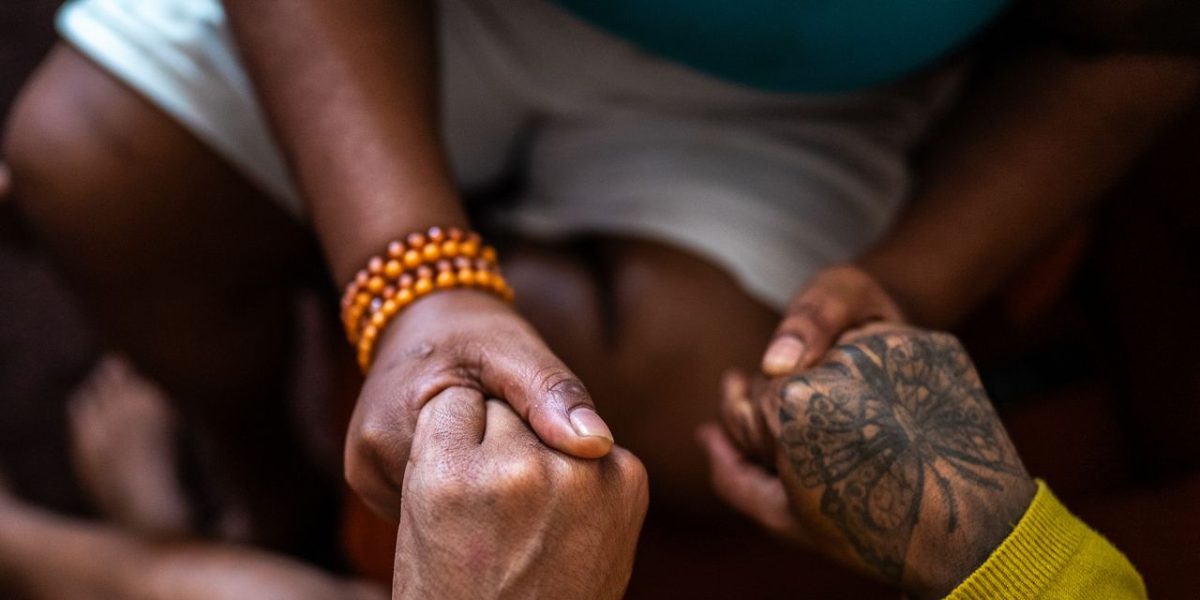
Black women in the United States die of breast cancer at a rate 40% higher than white women, according to the American Cancer Society, and are more likely to be diagnosed with triple-negative breast cancer—an aggressive subtype with fewer targeted treatment options. Thirteen Black women who survived the disease described in a Self magazine feature how they absorbed the diagnosis and rebuilt their lives, offering firsthand accounts of a disparity that public health researchers have tracked for decades.
The gap is not explained by genetics alone. Black women are more likely to be diagnosed at later stages, face longer waits for treatment, and encounter barriers to care that include insurance gaps, transportation costs, and a documented history of medical mistrust rooted in cases like the Tuskegee syphilis study. A 2022 study in JAMA Oncology found that Black women were 1.5 times more likely to have delays of more than 60 days between diagnosis and the start of treatment compared with white women.
The emotional weight of diagnosis arrived without warning for many of the women. "Not in a million years did I think I would ever hear the words, 'You have cancer,'" one survivor said. Another described the disorientation of the moment: "I felt like I was in The Twilight Zone." A third described receiving the news as "another emotional layer" on top of existing responsibilities as a caregiver, mother, or worker.
Survival stories like these are increasingly part of a broader push for earlier screening. The U.S. Preventive Services Task Force lowered its recommended starting age for mammograms from 50 to 40 in 2024, a change expected to catch more cancers earlier in Black women, who tend to develop the disease at younger ages. The American Cancer Society estimates about 43,000 Black women will be diagnosed with breast cancer in 2025 and roughly 7,000 will die of it.
Advocacy groups including Black Women's Health Imperative and Sisters Network Inc. have pressed for increased representation of Black women in clinical trials, where they remain underrepresented despite carrying a disproportionate share of the mortality burden. The 13 women in the Self feature described finding strength through faith, family, and communities of other survivors who understood the specific contours of their experience.
Their accounts arrive during National Breast Cancer Awareness Month, when screening rates typically rise. For Black women, the stakes of early detection are measurable: five-year relative survival for breast cancer diagnosed at a localized stage is 99%, compared with 31% once the cancer has spread to distant organs, according to the American Cancer Society.