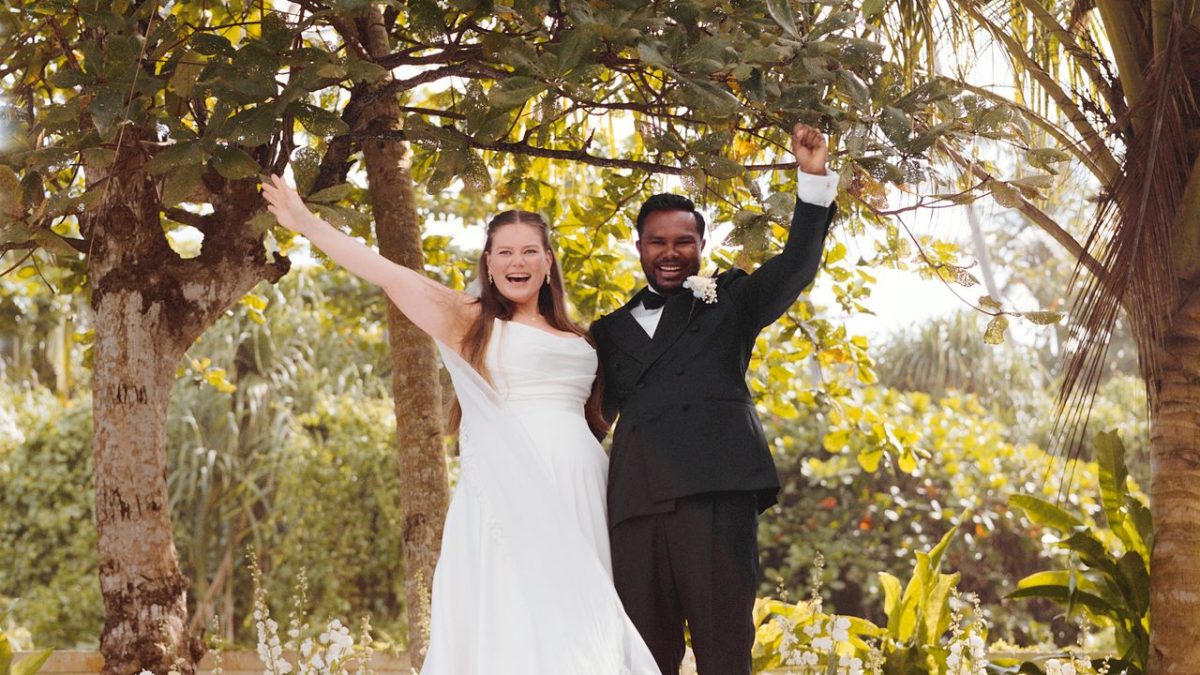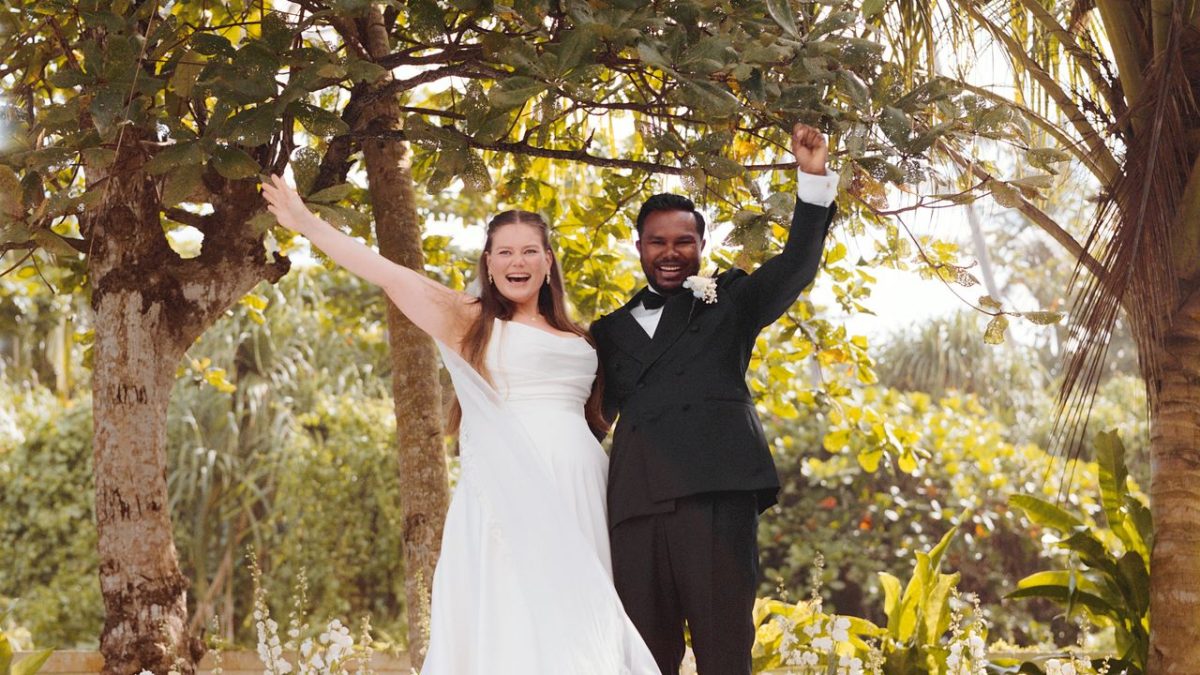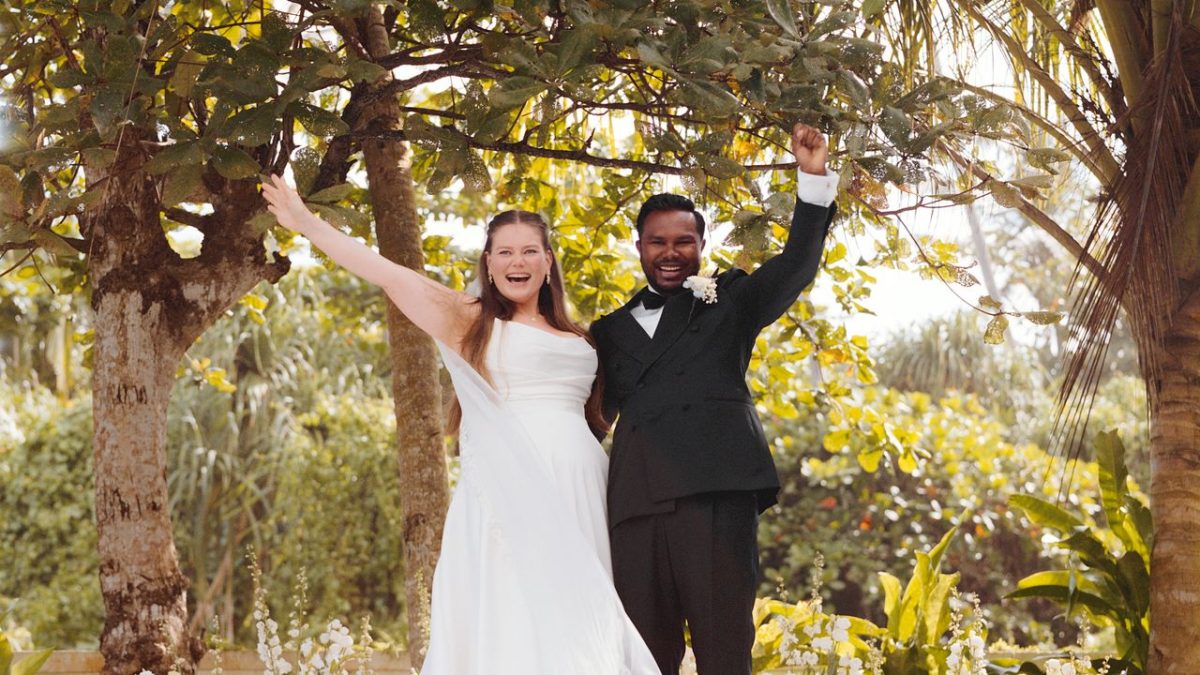
A Norwegian couple held a three-day wedding celebration on a small island off the coast of Sri Lanka, choosing the South Asian location over a traditional ceremony at home and building the event around a single question: what their future children would see in the photographs.
The couple, who met in Norway, planned the wedding across multiple days rather than a single evening, incorporating Sri Lankan rituals, cuisine, and color into a celebration that contrasted sharply with the pared-down aesthetic typical of Scandinavian weddings. The event drew guests from both countries.
"We always knew we wanted kids. So we talked about, 'Okay, what are they going to see when they look at our wedding photo,'" the couple said, explaining that their decision to marry abroad was driven less by destination aesthetics than by the family narrative they wanted to create.
The choice reflects a broader pattern in destination weddings: couples increasingly plan ceremonies as multi-day events rather than single receptions, and a growing share choose locations tied to one partner's heritage or to a culture neither partner grew up in. Sri Lanka has become a destination for couples seeking tropical settings outside the more crowded wedding markets of Thailand and Bali, with venues on the country's southern and eastern coasts offering private island and beachfront options.
Selecting a local planner proved central to the logistics. The couple said they connected quickly with the coordinator who handled the event.
"We felt really safe with him right away," they said. "He has this aura around him, and he's very warm."
That trust mattered given the complexity of staging a wedding across two continents. Sri Lankan wedding traditions vary by region and religion, but many ceremonies incorporate elements such as the poruwa, a decorated platform where couples exchange vows, along with oil-lamp lighting, betel leaf offerings, and drumming processions. Blending those elements with Norwegian expectations for a wedding required the planner to translate between two sets of assumptions about timing, food, and formality.
The three-day format allowed the couple to separate the legal ceremony, a larger reception, and a day for guests to explore the island — a structure that has become common in destination weddings, where travel costs and jet lag make single-evening events harder to justify for guests flying long distances.
Norway to Sri Lanka is roughly a 10,000-kilometer journey, typically requiring at least one connection through hubs such as Doha, Dubai, or Istanbul. Guests traveling from Scandinavia generally face 12 to 15 hours of total travel time.
The couple did not disclose the specific island or the total cost of the celebration.