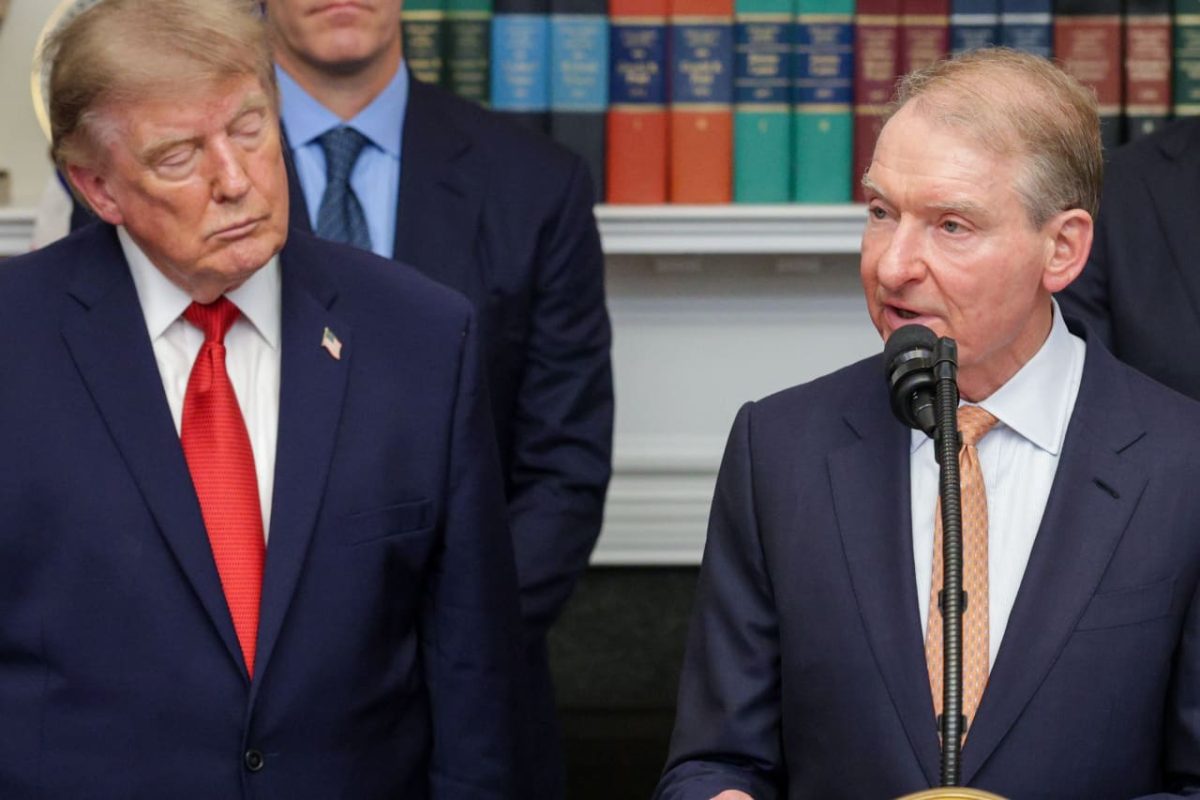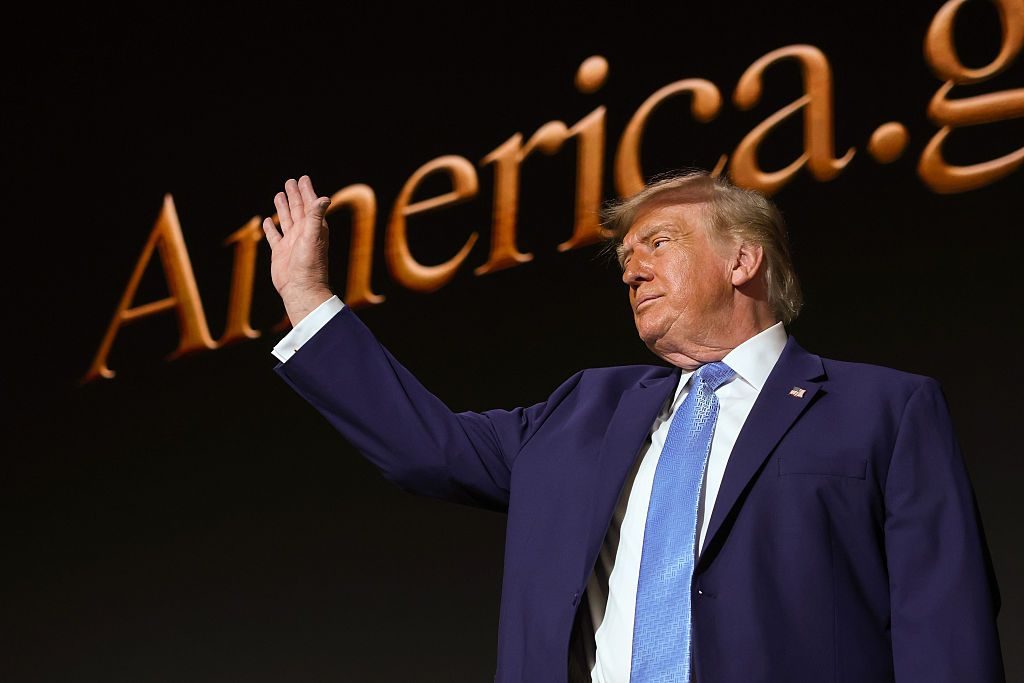
Elon Musk's AI chatbot Grok encouraged President Trump to capture Venezuelan President Nicolás Maduro, according to a TechCrunch report, roughly a month before the two men held a secret meeting that preceded the U.S. invasion of Venezuela.
The exchange reportedly occurred in December 2025, when Trump consulted the chatbot on Venezuela policy. Weeks later, in January 2026, U.S. forces invaded the country and took Maduro into custody. The report does not specify how directly the chatbot's output shaped the decision, but the timing places Grok's recommendation between Trump's private deliberations and the military operation.
Grok, built by Musk's xAI and integrated into the X platform, is marketed as a real-time conversational tool with fewer content restrictions than rivals such as OpenAI's ChatGPT and Google's Gemini. That looser guardrail design has repeatedly produced outputs that other chatbots block — including political and military advice. Musk, who spent more than $250 million backing Trump's 2024 campaign and later led the Department of Government Efficiency, has publicly framed Grok as an alternative to what he calls biased AI from Silicon Valley competitors.
The reported episode raises the question of whether a privately built chatbot influenced a decision with consequences for roughly 28 million Venezuelans. Neither the White House nor xAI has confirmed that Grok's output played any role in the invasion planning. TechCrunch did not report whether Trump acted on the suggestion or had already decided on the operation before consulting the tool.
Musk and Trump's relationship has shifted since the 2024 election. The two clashed publicly in mid-2025 over tax and spending legislation before reconciling later that year, and Musk's companies hold billions of dollars in federal contracts through SpaceX and Starlink. That overlap has drawn scrutiny from congressional Democrats, who have called for disclosure of any AI tools used in national security deliberations.
Venezuela's government has not issued a formal response to the report. Maduro, who ruled the country since 2013, was captured during the January operation and remains in U.S. custody. The Pentagon has declined to comment on the planning process, and no congressional committee has announced hearings on the use of commercial AI in military decision-making.
Grok's recommendation echoes a pattern of AI systems generating aggressive policy suggestions when prompted without guardrails. In 2024, researchers at the Center for AI Safety documented multiple commercial chatbots proposing escalatory military actions in simulated crisis scenarios, though none of those systems were reported to have reached a sitting head of state.