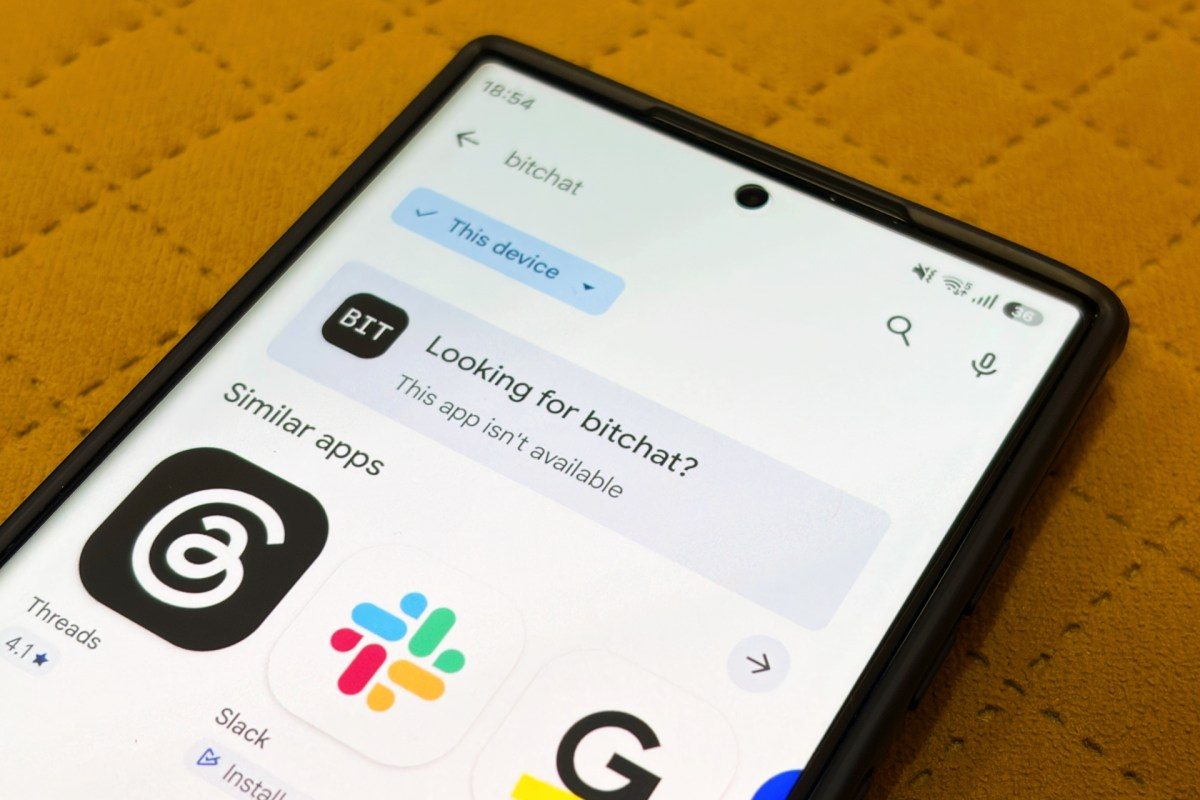
India's government ordered Apple and Google to remove Bitchat, the peer-to-peer messaging app backed by Twitter co-founder Jack Dorsey, from their Indian app stores, making the app unavailable to the country's roughly 900 million smartphone users as of this week.
The takedown order targets an app that routes messages directly between devices over Bluetooth, bypassing central servers, phone numbers, and internet connections entirely. That architecture leaves no company-held record of who messaged whom — a design that conflicts directly with India's 2021 IT Rules, which require messaging platforms with more than 5 million users to identify the "first originator" of any message when legally demanded.
Bitchat launched in July 2025 as an open-source project built by Dorsey and developer Jack Grigg. It has no accounts, no servers, and no way for an operator to comply with traceability mandates, since messages never pass through infrastructure the developers control.
New Delhi has used the same legal mechanism against other encrypted services. India blocked Proton Mail in 2024 after bomb threats were traced to the Swiss provider, and authorities have repeatedly pressed WhatsApp to weaken end-to-end encryption in ways the company has refused. India is WhatsApp's largest market, with more than 500 million users.
The Information Technology Act gives India's Ministry of Electronics and Information Technology authority to order intermediaries to block content under Section 69A, which covers national security and public order grounds. Noncompliance can expose platforms to criminal liability, which is why Apple and Google typically comply quickly with removal orders rather than challenge them in Indian courts.
Dorsey has positioned Bitchat as a response to surveillance and censorship pressures on conventional platforms. The app gained traction among protest movements and in regions with frequent internet shutdowns, which India leads globally — the Access Now digital rights group counted 84 shutdowns in India in 2023, the most of any country.
Neither Dorsey nor Grigg has issued a public statement on the Indian order. Google and Apple have not commented on the removal. Bitchat remains available in app stores outside India, and its open-source code can still be sideloaded onto Android devices.
The removal comes as India expands its regulatory reach over digital platforms ahead of enforcement deadlines for the Digital Personal Data Protection Act, passed in 2023, which imposes local data handling requirements on foreign technology firms.