The Supreme Court ruled Monday that the Trump administration can deport migrants to third countries that have no connection to them, lifting a lower court's temporary block on the policy.
The decision, issued in a brief unsigned order, allows immigration officials to resume removing migrants to nations other than their home countries while legal challenges continue. The court's three liberal justices dissented.
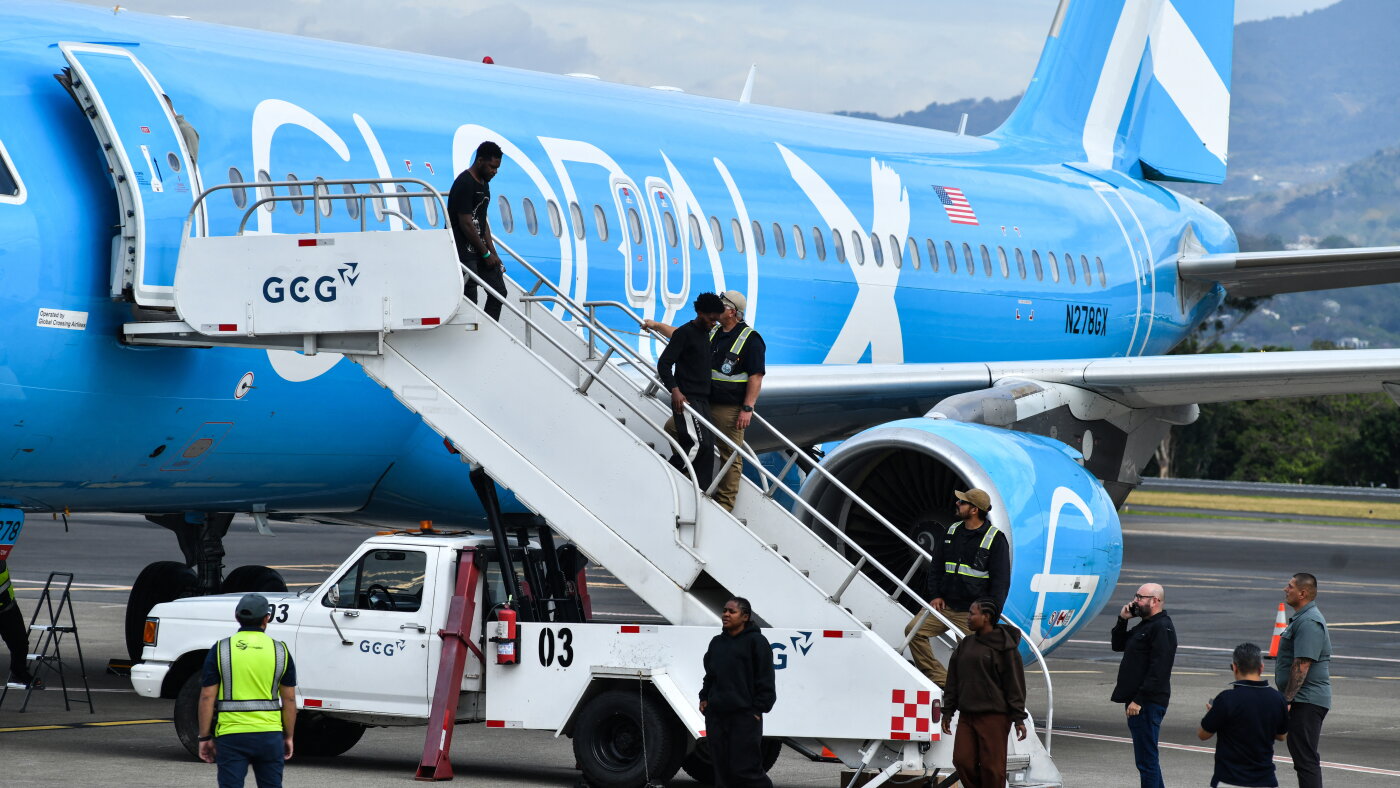
The policy at issue lets the Department of Homeland Security deport migrants to countries they have never lived in and have no ties to, provided the receiving nation agrees to accept them. The administration has said the practice is necessary to speed up removals of people who cannot be sent back to their home countries because those governments refuse to take them.
The case reached the high court after U.S. District Judge Brian Murphy in Boston temporarily halted the policy, finding that migrants were being given little notice and no real chance to argue that being sent to a third country would put them in danger. Murphy's order came in response to a lawsuit filed on behalf of migrants who faced removal to countries including South Sudan and Cambodia.
The Supreme Court's action stays Murphy's ruling, meaning the government can carry out such deportations during the appeal. The order did not address the underlying legal question of whether the policy is lawful.
The Biden administration had previously used third-country removals on a limited basis, but the Trump administration expanded the practice significantly as part of its broader immigration enforcement push. Officials have said the policy targets migrants who have final orders of removal but whose home countries will not accept them.
Immigrant rights groups condemned the ruling. "This decision puts thousands of people at risk of being sent to countries where they have no family, no support, and where they could face real danger," said one attorney involved in the case, speaking after the order was released.
The administration praised the outcome. A spokesperson for the Justice Department said the ruling "allows the government to enforce the law and remove individuals who have no legal right to remain in the United States."
The court's liberal justices wrote in dissent that the policy gives migrants too little time to challenge their removal destinations, calling the process rushed and inadequate. Justice Ketanji Brown Jackson wrote that the government's approach "makes a mockery of the protections Congress put in place."
The case is expected to return to the lower courts for further proceedings. It is one of several immigration disputes the Supreme Court has taken up during Trump's second term, including challenges to birthright citizenship and the administration's use of the Alien Enemies Act to deport Venezuelan migrants.