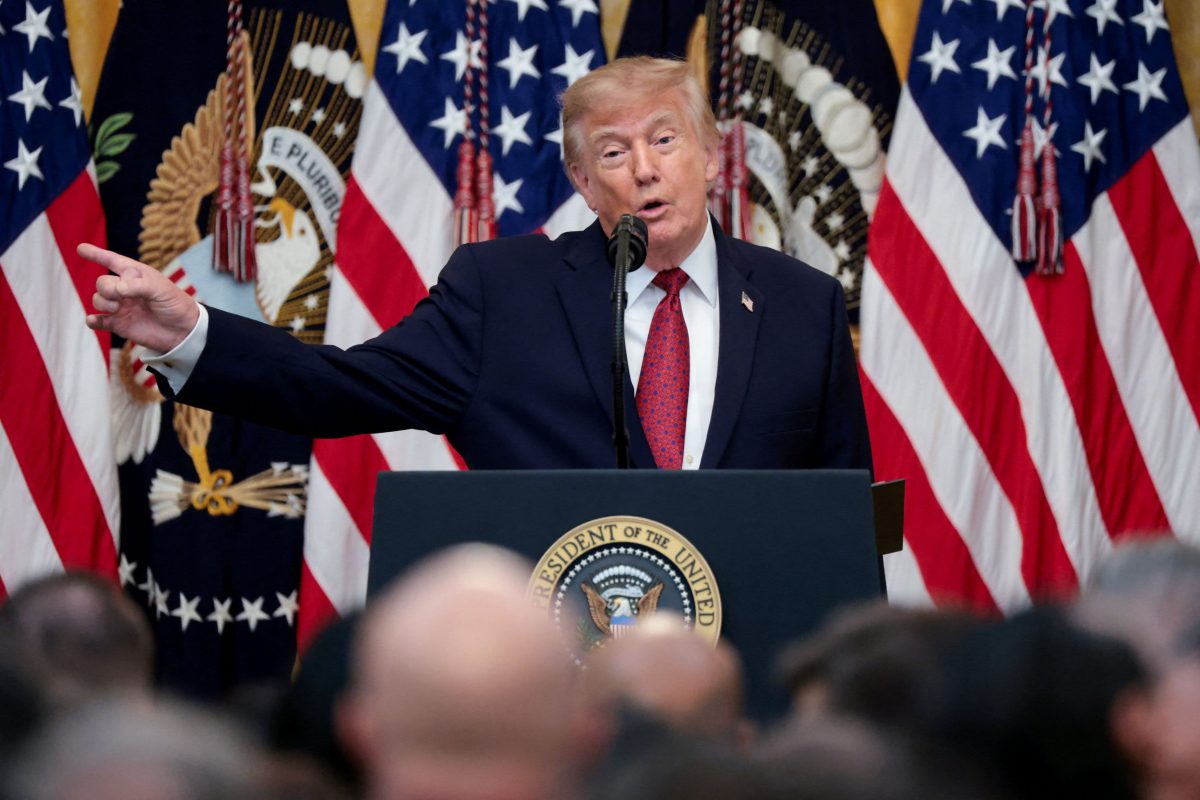
President Trump's $500 health cost payments are arriving in millions of American mailboxes, but at least one recipient says the one-time check amounts to a "political stunt" that fails to address the real cost of coverage.
Ellen Allen received a letter from Trump explaining the $500 payment — roughly one-quarter of what she said she pays monthly for health insurance. She described the check as a gesture that does little to solve the underlying problem of rising premiums.
The payments, sent directly to households, represent an unusual use of federal funds to offset individual health costs. The checks are reaching millions of mailboxes nationwide, according to NPR News, though the program's total cost and funding source have not been fully detailed.
For Allen, the math is straightforward: a $500 one-time payment against monthly premiums that run about $2,000 leaves a gap that the check barely dents. Her reaction reflects a broader skepticism among recipients who say the money arrives without addressing why their costs are so high in the first place.
The letters accompanying the checks feature Trump's explanation of the payment, framing it as direct relief for Americans facing medical expenses. Critics argue the approach substitutes a short-term cash infusion for structural changes to the health insurance system.
Health insurance premiums have climbed steadily in recent years, with the average annual premium for employer-sponsored family coverage exceeding $23,000, according to KFF's 2024 Employer Health Benefits Survey. Individual market premiums vary widely by state and plan.
Allen's case illustrates the disconnect some recipients feel between the size of the check and the scale of their bills. She characterized the payment as more about political messaging than meaningful financial relief.
The program's rollout comes as health care costs remain a top concern for voters. Whether the checks change perceptions or reinforce existing frustrations among recipients like Allen will depend on how the money is used and what happens when it runs out.
Neither the White House nor the Department of Health and Human Services has released a full accounting of how many checks are being sent or their total cost to taxpayers.