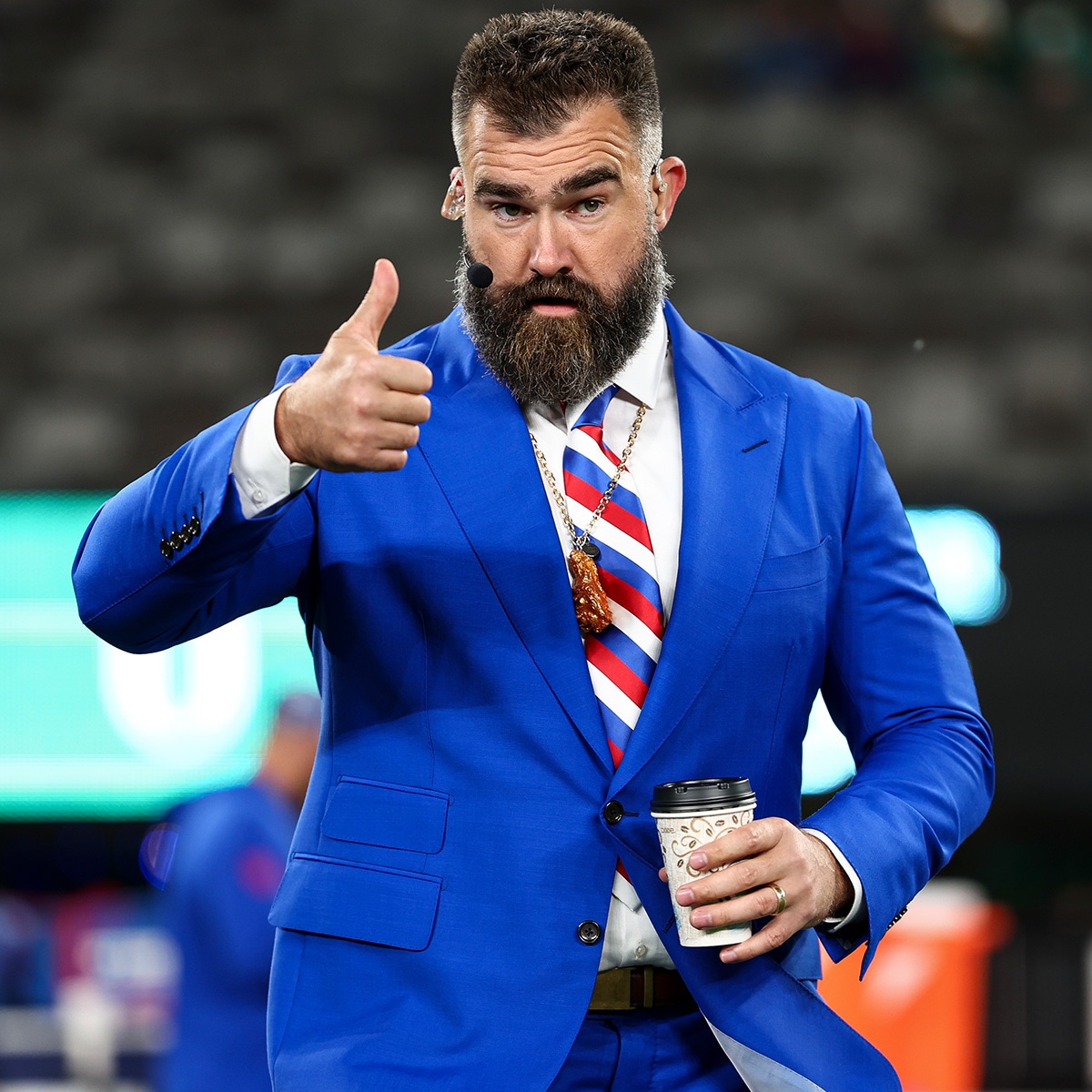
Jason Kelce apologized on live television during ESPN's broadcast of the Eagles game, admitting his coverage of his former team was not objective enough for a national audience.
The moment came during the Monday Night Football telecast as Kelce worked the booth alongside play-by-play announcer Joe Buck and analyst Troy Aikman. Kelce, who spent 13 seasons as Philadelphia's center and won a Super Bowl with the franchise, told viewers he had caught himself cheering in the press box rather than analyzing.
"I owe everybody an apology," Kelce said on air. "I'm sitting up here rooting, and that's not what you hired me for."
The confession drew laughs from his boothmates but raised a real question about the growing trend of networks hiring recently retired players to call their old teams' games. Kelce joined ESPN's Monday night crew in 2025 after retiring from the NFL, and the Eagles remain his most frequent assignment.
Kelce's brother Travis, a tight end for the Kansas City Chiefs, has built a parallel media career with his New Heights podcast and a role on Amazon's Thursday Night Football coverage. The brothers have become two of the most visible former players in sports broadcasting.
Critics of the practice argue that ex-players carry loyalties that color their analysis, particularly when calling games involving teams they played for. Defenders say the access and insight former players bring outweigh any bias, and that audiences understand the difference between fandom and commentary.
Kelce did not say whether he would recuse himself from future Eagles broadcasts. ESPN has not commented publicly on the apology or on whether the network plans to adjust his assignments.
The apology landed during a season in which the Eagles are again contending in the NFC East. Kelce's popularity in Philadelphia remains high, and his admission played well with fans online, many of whom said they appreciated the honesty.
It is not the first time Kelce has addressed his split loyalties on air. He has previously joked about his emotional attachment to the team and his reluctance to criticize former teammates and coaches.
For ESPN, the episode highlights the balancing act networks face as they build broadcasts around personalities rather than neutral analysts. Kelce's value to the network comes precisely from his connection to Philadelphia, the same connection that prompted the apology.