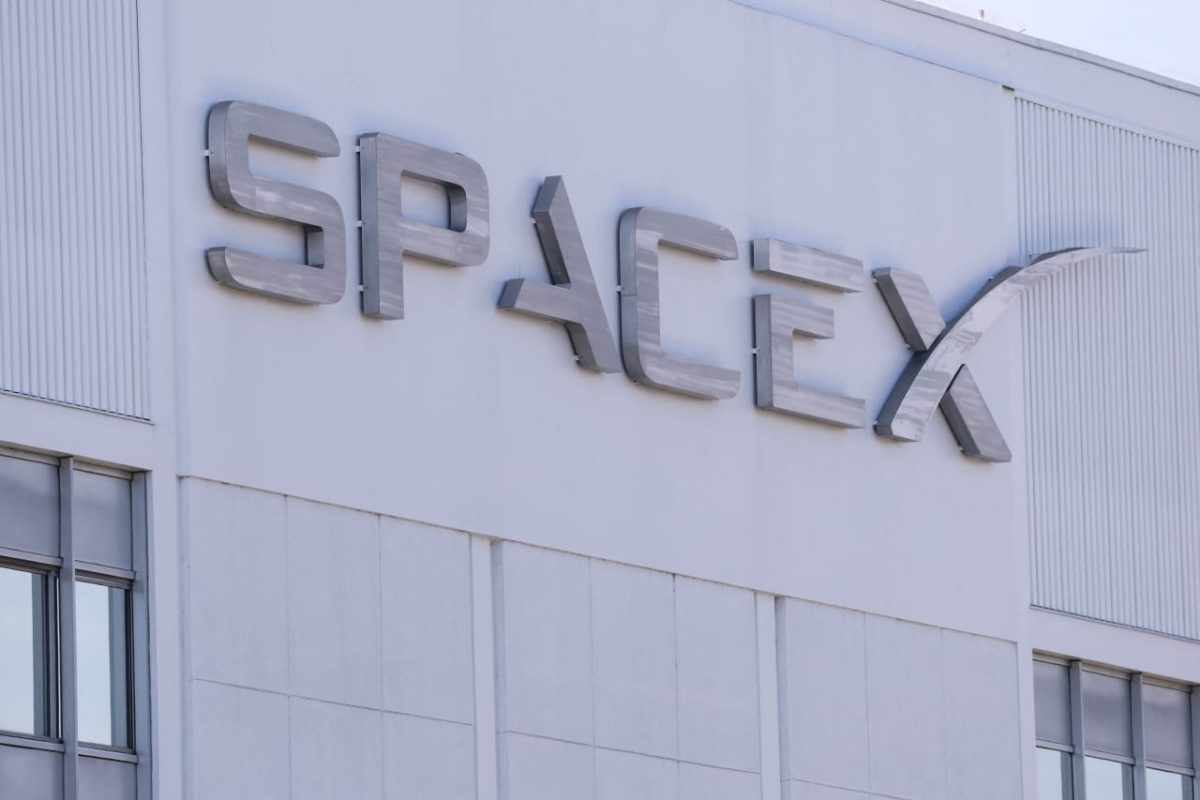
SpaceX agreed to buy Grain Management's 800 MHz spectrum portfolio, the latest step in the company's effort to build a mobile service that competes directly with AT&T and Verizon, and shares of both carriers fell on the news.
The deal hands SpaceX licensed airwaves it can use to deliver phone service through its Starlink satellite network, rather than relying solely on partnerships with existing carriers. The 800 MHz band is prized for covering wide areas and penetrating buildings, making it well suited to filling gaps where cell towers do not reach.
AT&T and Verizon shares both moved lower as investors assessed what a Starlink mobile offering could mean for subscriber growth at the two largest U.S. wireless providers. Neither carrier issued a public statement on the transaction.
SpaceX has spent years expanding Starlink from a broadband internet product into a broader communications business. Its direct-to-cell service, developed with T-Mobile, already aims to connect standard smartphones to satellites in areas without terrestrial coverage. Owning spectrum outright gives SpaceX more control over how that service is delivered and reduces its dependence on partners.
The 800 MHz band has a long history in U.S. wireless. It was used for decades by legacy cellular networks and later became valuable for public safety and rural coverage because signals at those frequencies travel farther and pass through walls more effectively than higher-band airwaves. Spectrum in that range is scarce, and holders rarely sell.
Grain Management is a private investment firm that has assembled wireless spectrum holdings across multiple bands. Financial terms of the purchase were not disclosed.
The transaction still faces regulatory review. The Federal Communications Commission must approve the transfer of spectrum licenses, a process that can take months and invites comment from competing carriers. SpaceX's growing role in satellite communications has already drawn scrutiny from lawmakers and rivals concerned about its market power.
For AT&T and Verizon, the competitive threat is twofold. Starlink could capture customers in rural and underserved areas where the carriers have historically been the only option, and it could pressure pricing in the broader mobile market if SpaceX bundles satellite and terrestrial service. Both companies have invested heavily in their own coverage expansion and in spectrum purchases to defend their networks.
SpaceX has not announced a launch date or pricing for a standalone Starlink mobile plan. The company's Starlink internet service, which began commercial operation in 2020, reported more than 5 million subscribers worldwide as of late 2024.