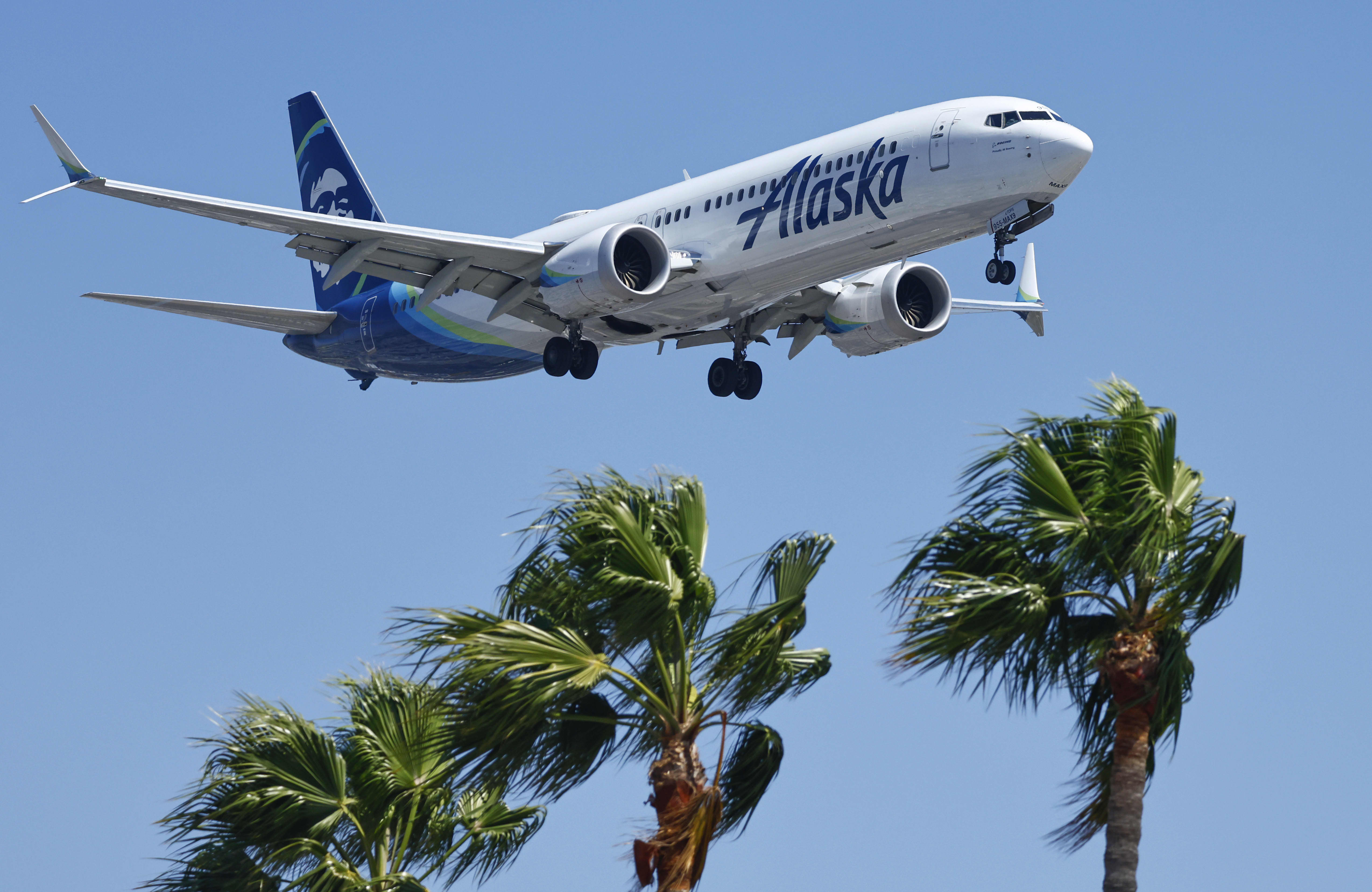
Alaska Airlines CEO Ben Minicucci said Tuesday he is "not overly concerned" about a newly disclosed software problem that is delaying federal certification of Boeing's 737 Max 10, even as he acknowledged the issue could push back the jet's entry into service.
Speaking to CNBC's Phil LeBeau, Minicucci said Alaska's planned launch of the Max 10 in late 2028 could be postponed if the delay stretches several months. He said the Seattle-based carrier is working with Boeing and the Federal Aviation Administration on the certification process.
The FAA disclosed the setback Monday. Administrator Bryan Bedford told reporters the agency is reviewing a software issue on the aircraft, and that approval will be delayed. Boeing shares fell sharply on the news.
Boeing said over the weekend that it recently flagged the problem in an updated software program sent to airlines. The glitch could cut off some automated navigation information to pilots, according to the company. It occurs in the vertical navigation system after an aircraft misses an approach and must circle back to line up for landing.
The Max 10 is the last member of Boeing's best-selling 737 Max family still awaiting federal approval. It is already years behind its original schedule. Alaska, United Airlines, Delta Air Lines and American Airlines are among the customers waiting for the jet.
The delay is a fresh blow to Boeing, which has struggled to restore confidence in the Max line since two fatal crashes grounded the fleet worldwide in 2019. Boeing's CEO said earlier this month that he expected Max 10 approval "very soon."
Not everyone shares Minicucci's patience. Michael O'Leary, CEO of Ryanair, a Max 10 customer, told reporters at a conference in Warsaw on Tuesday that he expects certification in "a matter of days, not weeks or months."
Alaska unveiled a cabin overhaul earlier Tuesday that includes more premium seats across its fleet and lie-flat suites on the Max 10. Those suites depend on the plane arriving on time.
Minicucci's comments suggest Alaska is prepared to wait but has limits. A short delay keeps the airline's plans intact. A long one forces a rewrite of its schedule and premium-seat rollout.