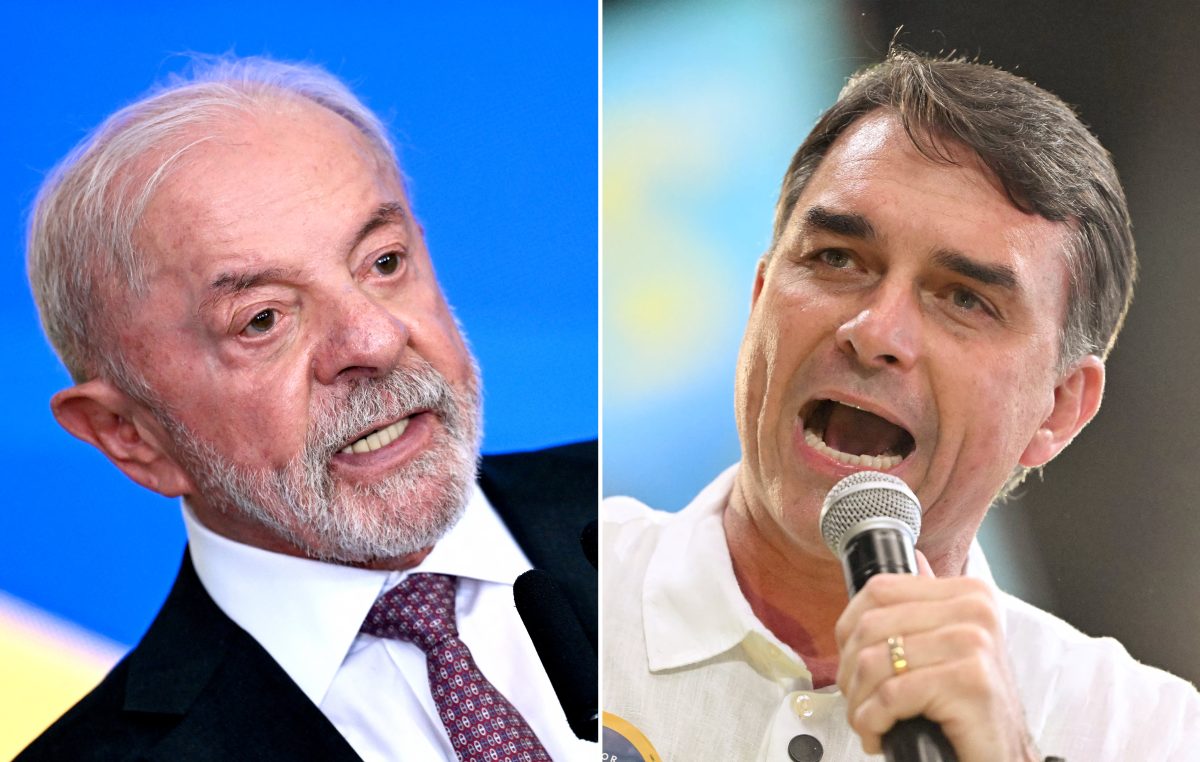
Wall Street is pricing in a Bolsonaro victory in Brazil's presidential runoff, with prediction markets now showing the incumbent favored at 60% to Luiz Inacio Lula da Silva's 39%.
The divergence reflects a stark choice for investors: 45-year-old Jair Bolsonaro's promised fiscal discipline versus 80-year-old Lula's fourth-term bid with expanded social spending. Brazilian stocks have climbed in tandem with Bolsonaro's polling momentum over recent months, according to market data tracked by CNBC.
The Bovespa index's trajectory since November 2016 illustrates the market's preference. Investors view Bolsonaro as more likely to rein in government spending and pursue privatization, while Lula's Workers' Party history suggests higher public expenditures and state intervention in key sectors.
"We need a 3-3.5% fiscal adjustment to stabilize the public debt in relation to GDP," said Leonardo Porto, Brazil head economist for Citi, quantifying the fiscal gap either candidate would confront.
Kalshi, a U.S.-regulated prediction market, shows Bolsonaro with a 21-point advantage. However, prediction markets are prohibited in Brazil, meaning these odds reflect foreign investor sentiment rather than domestic voter expectations. The disconnect between international betting markets and Brazilian polling averages has widened in recent weeks.
Brazil's public debt has ballooned to roughly 90% of GDP, among the highest in emerging markets. The next president will inherit an economy still recovering from pandemic disruptions, with inflation pressures and a central bank that has kept interest rates elevated to combat price increases.
Lula governed Brazil from 2003 to 2010 during a commodity boom that lifted millions out of poverty. His return to power would likely mean renewed emphasis on state-owned enterprises and social programs. Bolsonaro, a former army captain, has advocated for reducing the state's economic footprint.
Foreign investors have poured money into Brazilian equities as Bolsonaro's odds improved. The real has also strengthened against the dollar in recent weeks, reflecting reduced political uncertainty premium.
The runoff election outcome will determine Brazil's fiscal path for the next four years, with implications for everything from interest rates to foreign direct investment. A Lula victory could trigger a selloff in Brazilian assets, while a Bolsonaro win would likely extend the current rally.