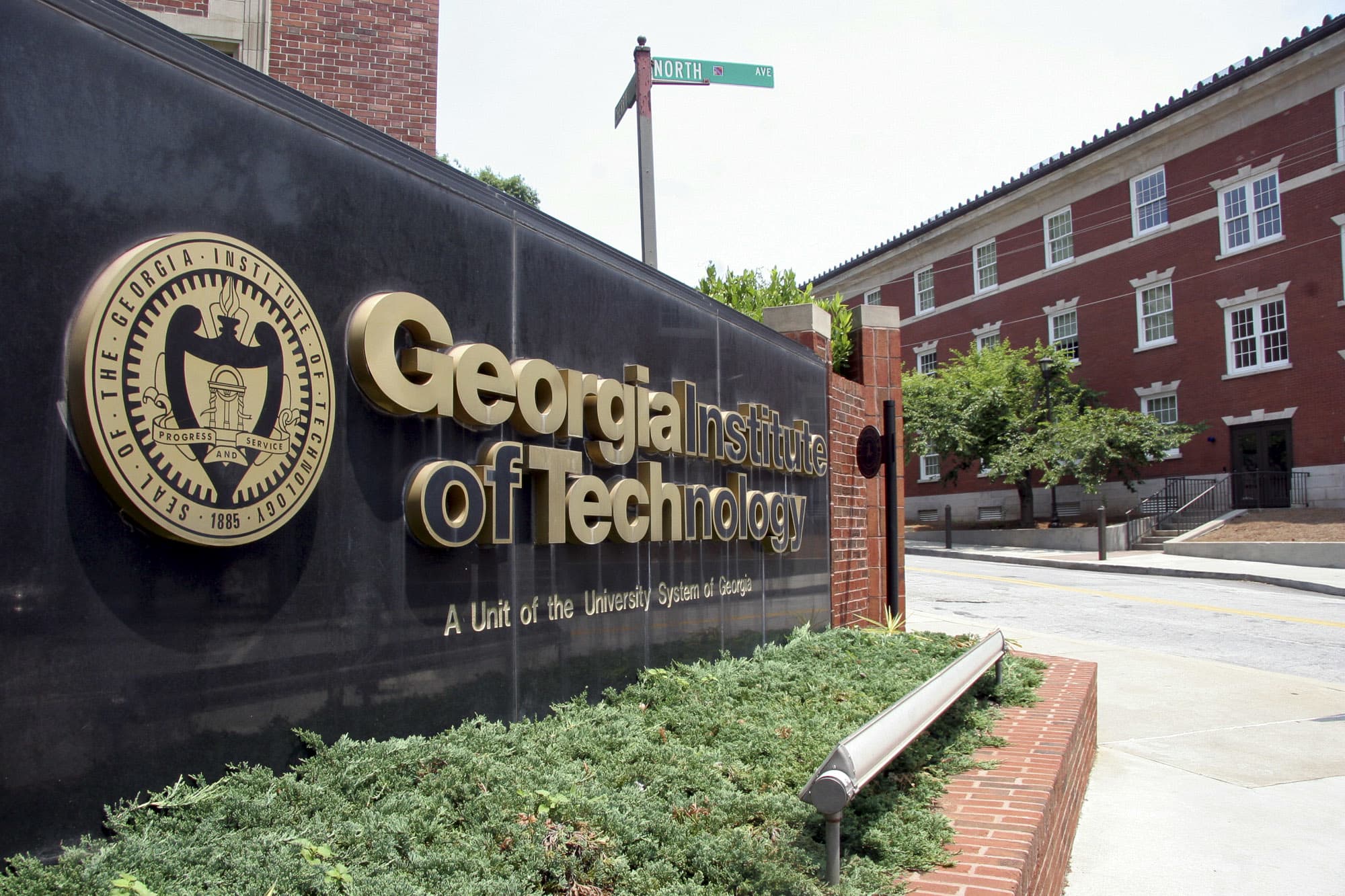
The Princeton Review has released its latest rankings of public and private colleges offering the best return on investment, arriving as some schools charge more than $100,000 a year and families grow more skeptical about the value of a degree.
The rankings come amid a broader national debate over higher education costs. A 2025 study by the Federal Reserve Bank of New York found that financial aid, out-of-pocket expenses, choice of major, future earnings and time to graduation all determine whether college pays off financially.
"At $100,000 a year, it's kind of like a luxury good," said Adam Nguyen, founder of Ivy Link, a college admissions advising firm.
Jamie Beaton, co-founder and CEO of college consulting firm Crimson Education, said the questions are coming more often from families. "We are noticing more and more families questioning the ROI of different universities," Beaton said.
Beaton said elite schools face little doubt about their payoff. "At the top of the market, schools like MIT, Princeton, Harvard, Stanford, the return is not at all in doubt," he said. "Just attending one of these top universities has a strong signaling factor to future employers."
But the calculus extends beyond the Ivy League. Nguyen said flagship state universities also deliver strong returns, offering a middle path for families who cannot or will not pay private school prices.
Artificial intelligence is adding new pressure to the decision. Some employers now say they weigh skills and experience more heavily than degrees, complicating the traditional assumption that a bachelor's degree guarantees a career.
The stakes are high for families weighing six-figure commitments. Sticker prices at some private colleges now exceed $100,000 a year when housing, meals and fees are included, a threshold that was unthinkable a generation ago.
The Princeton Review's rankings give families a tool to compare schools on earnings outcomes rather than prestige alone. The list covers both private institutions and public universities, reflecting the growing demand for data-driven college decisions.
Nguyen said the top schools still tend to produce the best returns, followed by flagship state universities. For everyone else, the answer depends on what students study, how much aid they receive and how quickly they finish.