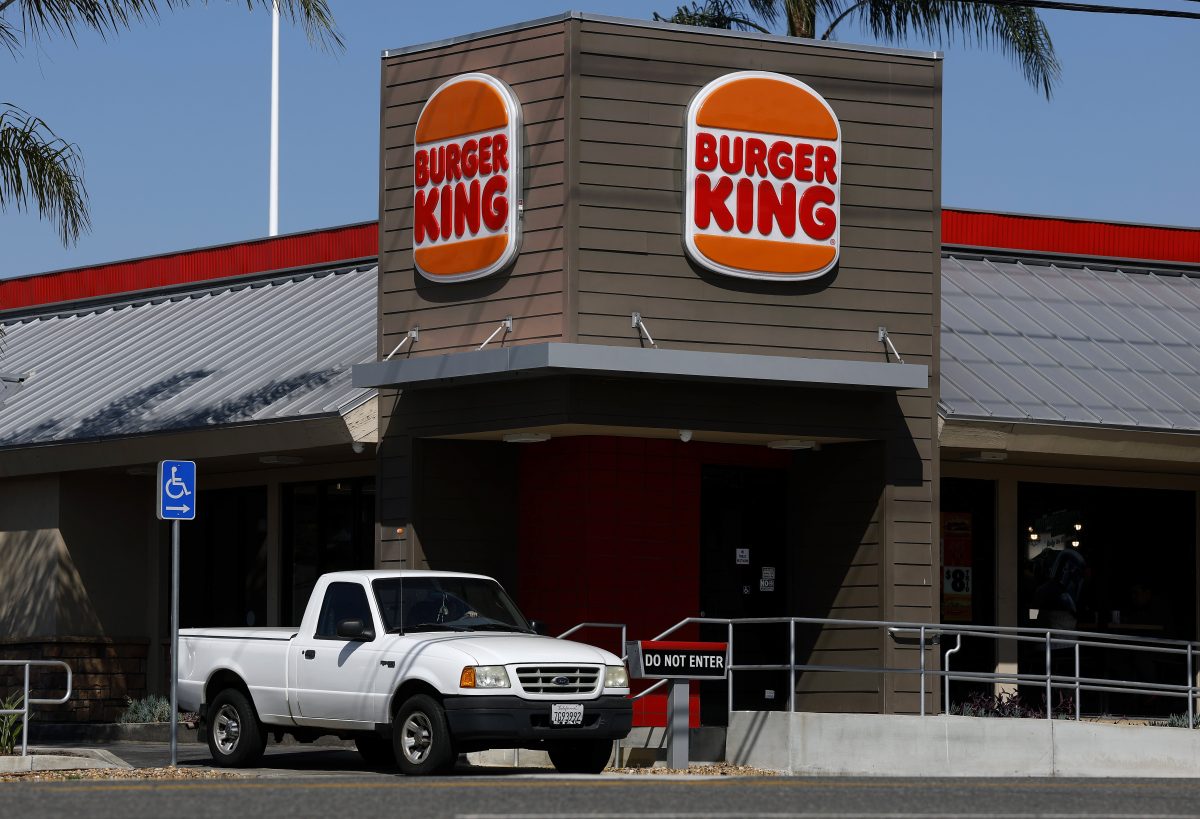
Restaurant Brands International has purchased the largest U.S. franchisee of its Burger King chain and intends to resell most of those restaurants to smaller, local operators, the company's U.S. president said, in a bet that neighborhood owners can modernize the brand faster than a single large operator.
The move is central to Burger King's effort to refresh its aging U.S. restaurant fleet, which has lagged rivals in remodels and sales. Restaurant Brands always planned to flip most of the acquired locations back to independent franchisees rather than run them itself, according to Burger King U.S. President Tom Curtis.
Curtis framed the strategy around the length of the commitments involved. "A franchising contract is 20 years," he said. "The average marriage in the U.S. is 8.2. So you got to get it right."
The end goal is a U.S. system made up of smaller, locally rooted franchisee groups rather than a handful of large operators controlling hundreds of stores each. Restaurant Brands has argued that owners with fewer restaurants and closer ties to their communities invest more in remodels, staffing, and day-to-day operations.
Burger King has roughly 7,000 U.S. locations, the vast majority franchisee-owned, and the chain has spent recent years pushing operators to update dining rooms, signage, and kitchen equipment under its "Reclaim the Flame" investment program announced in 2022.
Shares of Restaurant Brands have climbed about 6% over the past year, supported by strong international growth and early signs of improvement in Burger King's U.S. business. The company also owns Tim Hortons, Popeyes, and Firehouse Subs.
The refranchising strategy carries risk. Spreading stores across more owners can slow decision-making and complicate enforcement of brand standards, a tension that has played out at other chains that shifted from large operators to smaller ones. Restaurant Brands will need buyers willing to take on remodel costs at a time when construction and labor expenses remain elevated.
Burger King's U.S. same-store sales have trailed McDonald's and Wendy's in recent years, and the chain has leaned on value promotions and advertising refreshes to draw back customers. The company has not disclosed a timeline for completing the resale of the acquired restaurants.