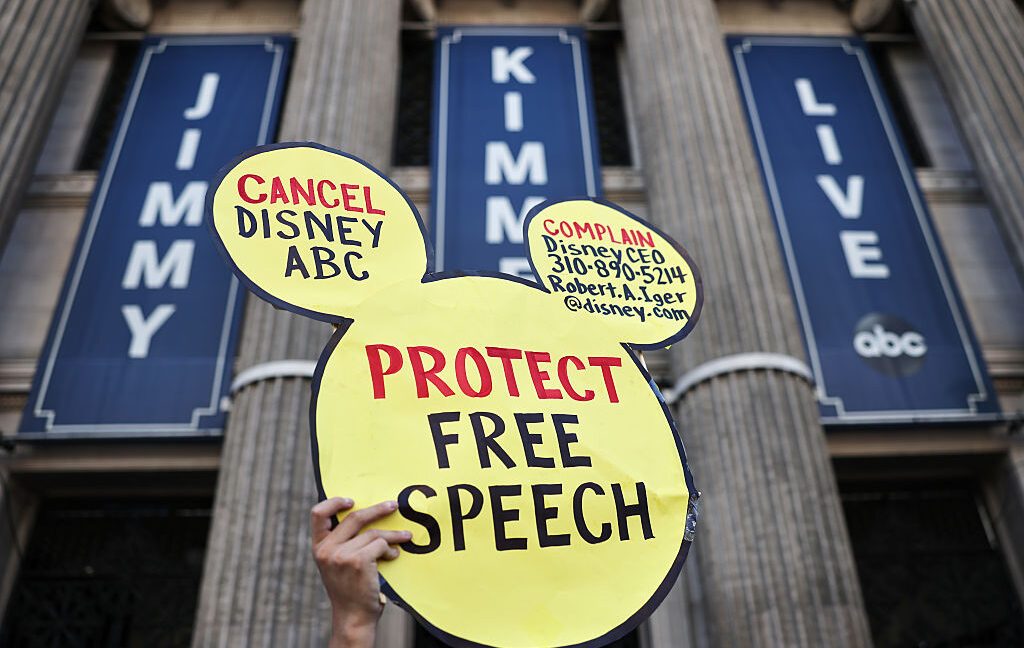
Disney pulled "Jimmy Kimmel Live!" off the air last fall, triggering a boycott campaign against the company that highlighted how quickly a media giant's programming decisions can become a financial problem for the streaming businesses it owns.
The dispute centered on ABC, the Disney-owned network that carries Kimmel's late-night show. When the network suspended the program, viewers who objected to the move didn't just complain — they organized a call to stop paying for Disney's streaming services, including Disney+ and Hulu.
The episode matters because Disney's streaming division, not its broadcast network, is now the company's growth engine. Disney+ and Hulu together account for tens of millions of US subscribers, and each one who cancels over a programming dispute costs the company recurring monthly revenue. A broadcast decision that once would have affected only advertisers now ripples directly into subscription income.
That link between content decisions and subscriber churn is the core risk of the streaming era. When a company owns both the network that airs a show and the app that streams it, a single editorial call can alienate paying customers across multiple platforms at once.
Disney is hardly the only company exposed to this dynamic. Warner Bros. Discovery, which owns CNN, HBO Max and the Food Network, has faced similar backlash over programming and cost-cutting moves. Paramount Global, owner of CBS and Paramount+, has drawn criticism for content decisions that critics say prioritize corporate interests over viewers.
The pattern is consistent: a media conglomerate makes a call about a host, a show or a news segment, and the reaction lands on the streaming balance sheet within days. Subscription services are easy to cancel — often a single tap in an app — which makes consumer anger unusually costly compared with the advertiser boycotts of the broadcast era.
Disney has not disclosed how many subscribers it lost as a result of the Kimmel episode, and the company declined to break out figures tied to the controversy. But the boycott threat alone forced the company into a public relations fight it had not anticipated when the show was pulled.
The broader lesson for investors and viewers alike is that streaming mergers and consolidations concentrate risk. The more networks, studios and streaming apps a single company controls, the more ways one controversial decision can cost it money across every platform it owns.