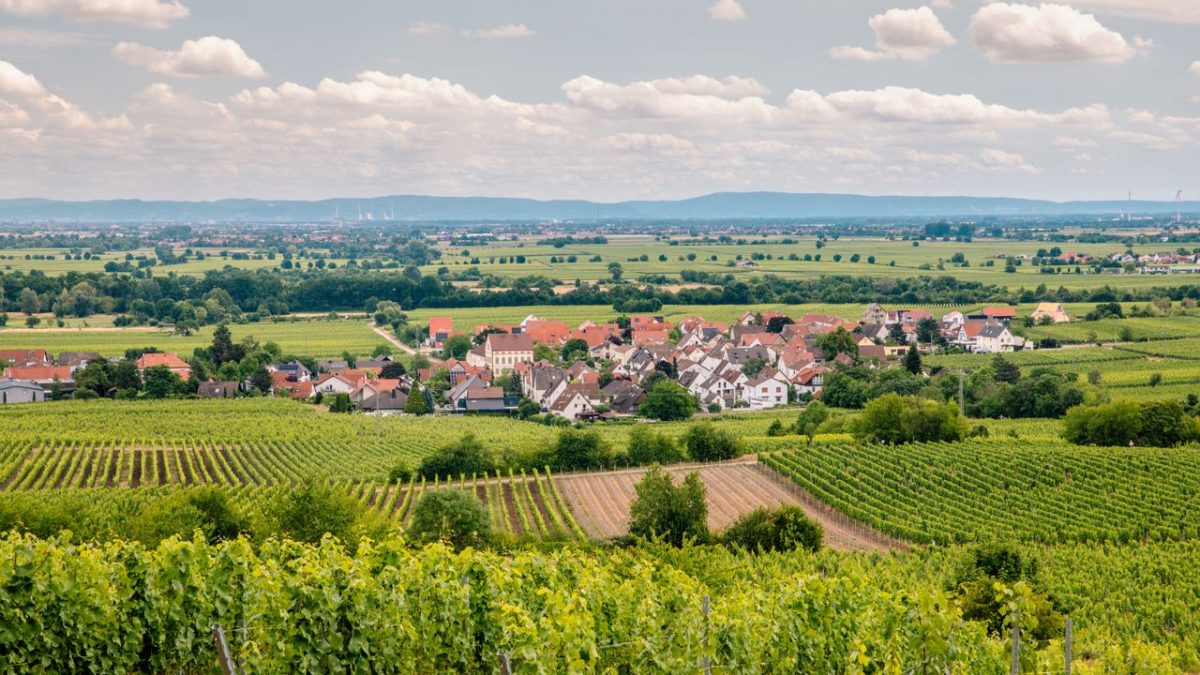
Restaurant Schwarzes Kreuz in Deidesheim, a wine town of roughly 3,800 residents in Germany's Rhineland-Palatinate region, has been awarded three stars by the Michelin Guide, the highest rating the French guidebook bestows and one held by only about 150 restaurants worldwide.
The award places the restaurant among the most elite dining rooms in Europe. Three stars, per Michelin's own criteria, means a restaurant is "worth a special journey" — a designation that typically draws diners from hundreds of miles away and can reshape a small town's economy.
Chef Christian Bau, who has run the kitchen at Schwarzes Kreuz since 1998, described the moment the rating was confirmed. "It was like we won the food version of the Soccer World Cup, the Culinary World Cup," he said. "There was screaming, I may have cried."
Bau's reaction to the announcement was equally raw. "I'm speechless, happy, full of respect, humility, and gratitude to my entire team, the Michelin Guide, our guests, and m" — the quote trailing off mid-sentence as the news landed.
Deidesheim sits on the German Wine Route in the Palatinate, a region known for Riesling and Pinot Noir produced along a 50-mile stretch of vineyards. The town's population is smaller than the seating capacity of many Michelin-starred restaurants in Paris or Tokyo, making the three-star designation unusually significant for its size.
Germany now counts roughly a dozen three-star restaurants, most clustered in Berlin, Munich, and the Black Forest. Adding one in a town of Deidesheim's scale shifts the culinary map south and west, toward an area better known for its wine cellars than its tasting menus.
Schwarzes Kreuz had previously held two Michelin stars for more than a decade before this promotion. The jump to three stars typically requires years of consistency, a distinct culinary identity, and a service operation that can sustain scrutiny from Michelin's anonymous inspectors across multiple visits.
For Deidesheim, the practical effect is immediate: three-star restaurants routinely book out months in advance, and the surrounding hospitality economy — hotels, wine shops, taxi services — tends to benefit from the influx of high-spending visitors. The town already draws oenophiles during its annual wine festivals; it will now draw diners whose primary destination is a single table.