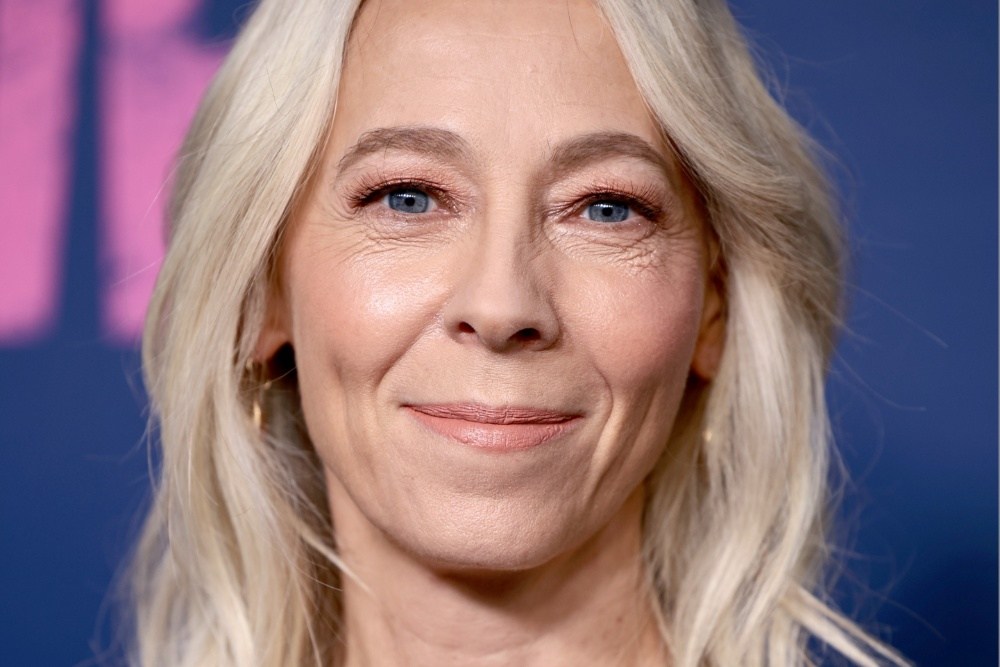
High-end television dramas and the talent behind them will eventually migrate to YouTube and TikTok, veteran British producer Jane Featherstone said Tuesday.
Speaking at the RTS London Convention, the co-founder of the Sister production group predicted that prestige shows will not stay exclusive to established broadcasters and streaming services forever.
"It will end up on YouTube and TikTok over time," Featherstone said during her appearance at the industry conference.
Featherstone runs Sister, the production company behind a string of critically acclaimed scripted dramas. Her credits include "Black Doves," "This Is Going to Hurt" and "Chernobyl," the HBO miniseries that won multiple Emmy Awards.
Her comments land as traditional media companies face mounting pressure from short-form platforms. YouTube now commands the largest share of U.S. television viewing time, according to Nielsen data, while TikTok continues to expand its reach among younger audiences who increasingly watch full-length content on their phones.
Featherstone did not offer a timeline for the shift. But her argument suggests the divide between premium scripted content and social video platforms is narrowing, driven by changing viewing habits and the sheer scale of those platforms' audiences.
The prediction carries weight because of who is making it. Sister has grown into one of the U.K.'s most active production groups, with operations spanning scripted television, film and unscripted content. The company has expanded aggressively in recent years, striking deals with major talent and backing projects across multiple markets.
Streaming services have already started experimenting with shorter-form content to compete for attention. Netflix has launched clips and mobile-first formats, while YouTube has pushed deeper into original programming and live events.
For producers, the shift raises questions about budgets, rights and creative control. Premium dramas typically cost millions per episode, funded by networks and streamers that expect exclusivity. Whether those economics translate to ad-supported platforms remains unclear.
Featherstone's remarks echo a broader debate inside the television industry about where audiences will be watching a decade from now. Executives at several major companies have acknowledged that younger viewers treat YouTube as their default television service.
The RTS London Convention brings together senior figures from U.K. broadcasting and production. Featherstone's session put her among the most prominent industry voices to publicly forecast that premium content will follow audiences onto social platforms rather than resist the move.
Her company's slate suggests she is not waiting on the sidelines. Sister has multiple projects in production with major buyers, positioning the firm to adapt regardless of which platform wins the next round of the streaming wars.