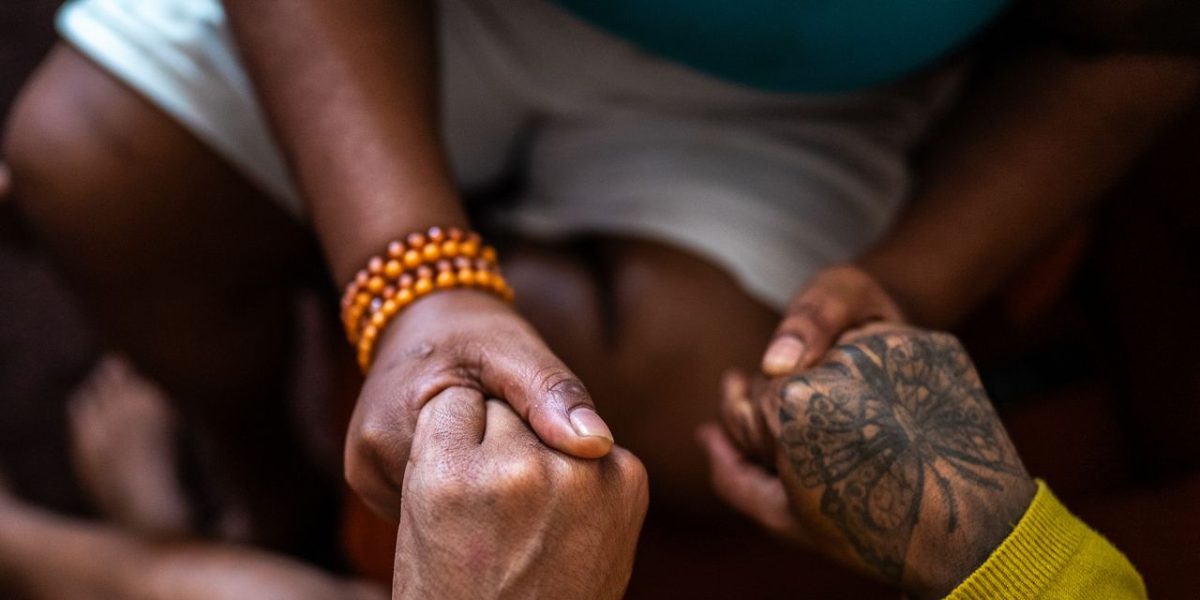
Thirteen Black women who were diagnosed with breast cancer have shared accounts of how they endured treatment and rebuilt their lives, stories published by Self Magazine that highlight a disease that kills Black women at a higher rate than any other racial group in the United States.
Black women are roughly 40 percent more likely to die of breast cancer than white women, according to the American Cancer Society, even though they are diagnosed at slightly lower rates. The gap is driven largely by later-stage diagnoses, more aggressive tumor types such as triple-negative breast cancer, and barriers to timely treatment.
The women described the moment of diagnosis as a rupture in ordinary life. One recalled the disorientation of the days that followed, saying she "felt like I was in The Twilight Zone." Another said, "Not in a million years did I think I would ever hear the words, 'You have cancer.'"
Triple-negative breast cancer, which lacks the three receptors that targeted therapies attack, accounts for about 15 to 20 percent of all breast cancers but appears disproportionately in Black women, often before age 40. It is harder to treat and more likely to recur than hormone-positive cancers, which is one reason survival disparities persist even when access to care is equal.
Several of the women described how diagnosis compounded pressures they were already carrying — work, caregiving, financial strain — calling it "another emotional layer" on top of the physical fight. Research from the Centers for Disease Control and Prevention has found that Black women are more likely to be diagnosed at advanced stages, when tumors are harder to treat and outcomes worsen.
The accounts also point to the role of self-advocacy. Black patients report being dismissed or having symptoms attributed to other causes at higher rates than white patients, and delayed follow-up on suspicious lumps or imaging results can cost critical months. Guidelines from the U.S. Preventive Services Task Force recommend biennial mammograms starting at age 40 for average-risk women, though many advocates urge earlier screening for Black women given the elevated risk.
Breast cancer remains the second-leading cause of cancer death among American women overall, with an estimated 42,000 deaths expected in 2025, the American Cancer Society reported. Roughly 316,000 new invasive cases are projected this year.
The 13 women's stories, told in their own words, trace a common arc: shock at diagnosis, the grind of surgery, chemotherapy, and radiation, and then the work of reclaiming a life after treatment ends. Their accounts add personal detail to statistics that public health officials have flagged for years but have struggled to close.