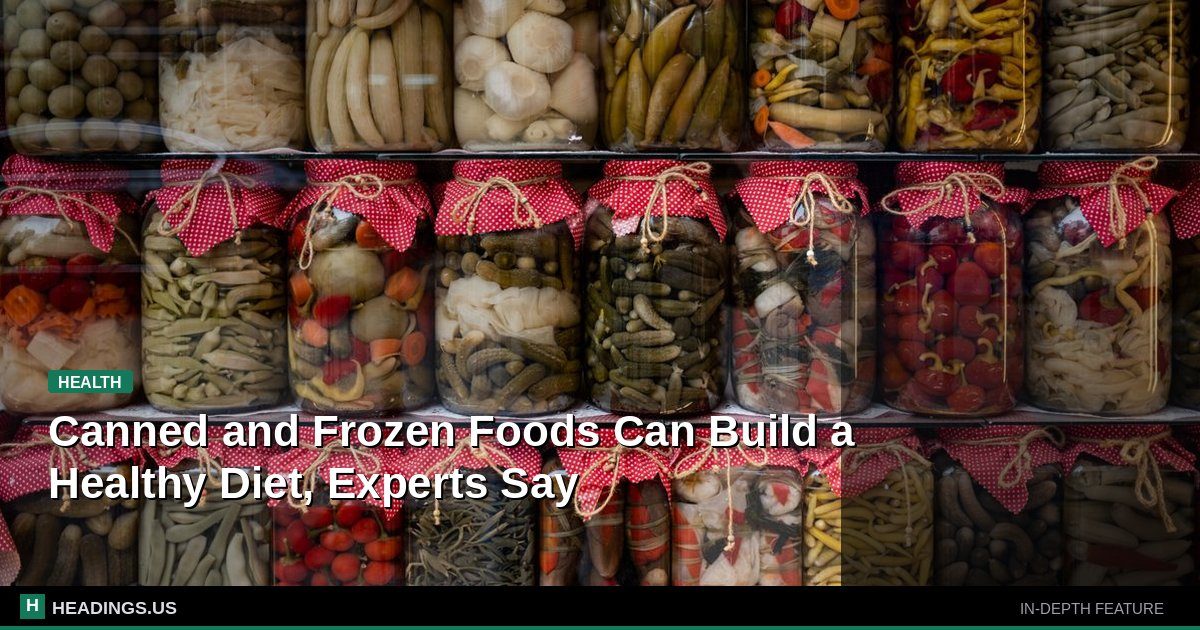
Canned, frozen, and packaged foods can form the backbone of a healthy diet, according to registered dietitians who say the stigma around shelf-stable groceries is unfair and often misleading.
The guidance, published by Self magazine, pushes back on social media influencers who promote making everything from scratch and imply that pre-packaged items are inferior. For most Americans, those alternatives are simply more practical.
"Groceries are a fortune," Anthea Levi, a Brooklyn-based dietitian and founder of Alive+Well Nutrition, told Self. Fresh items tend to be the most expensive, she said, making the produce section a costly stop for budget-conscious shoppers.
Cost is only one factor. Canned, frozen, and packaged goods also last far longer than fresh produce, which reduces waste and gives shoppers confidence that their money won't be thrown out within days.
"You can keep them in your freezer for months, so that often gives people confidence," Desiree Nielsen, a dietitian and recipe developer focused on plant-based nutrition, told Self.
The article outlines seven strategies for incorporating these items into a nutritious diet. Among them: choosing canned vegetables with no added salt, opting for frozen produce without added sauces or seasonings, and reading labels on packaged goods to watch for added sugars and sodium.
Dietitians also recommend rinsing canned beans and vegetables to cut sodium content, and pairing packaged staples with fresh ingredients when available. Frozen fruits and vegetables are typically flash-frozen at peak ripeness, preserving much of their nutritional value.
The broader message challenges a cultural narrative that equates scratch cooking with moral worth. Influencers who forage, can, and hand-craft every meal often present their approach as superior, the article notes, but that standard ignores the time and money most households have.
Food insecurity remains a pressing issue in the United States. Roughly 13 percent of American households experienced food insecurity in 2023, according to the U.S. Department of Agriculture, making affordable, shelf-stable options critical for millions of families.
Dietitians say the goal is not to eliminate fresh food but to recognize that canned, frozen, and packaged items can fill gaps without sacrificing nutrition. Planning meals around what is affordable and available, they argue, is a more realistic path to healthy eating than chasing an idealized standard.
The takeaway for consumers: a stocked pantry and freezer can support a balanced diet, and convenience does not have to come at the expense of health.