Timing a US trip is half the battle. The same national park that feels empty in February can draw 600,000 visitors in July. A Gulf Coast beach town that costs $120 a night in winter charges triple that on Memorial Day weekend. The difference between a great trip and a frustrating one often comes down to nothing more than the month you picked.
Americans know this instinctively. The National Park Service counted more than 325 million recreation visits across its sites in a recent year, and those visits cluster hard into summer. Yellowstone alone sees about 70 percent of its annual traffic between June and September. Meanwhile, Death Valley, which is genuinely dangerous in July, is at its most pleasant from November through March.
What follows is a season-by-season guide to the best places to visit in the US, built around weather patterns, crowd data, and real costs. It is not a list of the most famous spots. It is a list of the places that perform best when you show up at the right time.
Spring: Wildflowers, Mild Weather, and the Sweet Spot Before Crowds Arrive
Spring is the most underrated travel season in America, largely because school calendars keep families at home. That means lower hotel rates, shorter lines, and weather that cooperates almost everywhere south of the Mason-Dixon line.
The Texas Hill Country is the anchor of American spring travel. Each year, usually from late March into mid-April, the region around Fredericksburg and Burnet erupts in bluebonnets and Indian paintbrush. The Texas Department of Transportation seeds roughly 30,000 pounds of wildflower seed along state highways every year, which is why the roadside displays are so reliable. Hotel prices in Fredericksburg run about 20 to 30 percent below their summer peaks during bloom season.
Washington, DC, is the other spring heavyweight. The city's cherry blossoms, a gift of 3,020 trees from Tokyo in 1912, typically hit peak bloom in late March or early April. The National Cherry Blossom Festival draws around 1.5 million people over its run, so book lodging near the Tidal Basin months ahead or stay in Arlington and take the Metro in.
For something less crowded, look at the desert Southwest. Saguaro National Park outside Tucson is at its best from March through May, when daytime highs sit in the 70s and 80s and the cactus blooms. Spring is also prime time for Utah's Zion and Bryce Canyon, where the shuttle system keeps traffic manageable before the summer surge.
Rule of thumb: if a destination has a famous summer season, it usually has an equally good shoulder season that costs 30 to 40 percent less.
Summer: Where to Go When Everyone Else Is Traveling Too
Summer is peak season for a reason, and fighting it is pointless. The smarter move is to pick places that handle crowds well or that peak specifically in warm weather.
Alaska is the clearest example. The state's tourism season runs roughly from mid-May through mid-September, and for good reason: Denali National Park sees most of its visitors in June and July, when daylight stretches past 19 hours in Fairbanks. A rental car booked in January can cost half what it costs in June. If you want the northern lights, flip the calendar entirely and come in late August or September, when darkness returns and aurora activity picks up.
The Great Lakes region offers a summer that coastal destinations cannot match on price. Sleeping Bear Dunes National Lakeshore in Michigan draws over a million visitors a year, and the freshwater beaches along Lake Michigan routinely hit 70-degree water temperatures in August. Compare that to a week in the Hamptons or Cape Cod, where peak-season rentals frequently exceed $500 a night.
For families chasing theme parks, the calculus is different. Orlando's major parks see their heaviest attendance in July, and heat indexes regularly top 100 degrees. Late August, once Florida schools are back in session, delivers the same rides with noticeably shorter waits.
One caution for summer planners: hurricane season runs from June 1 through November 30, with activity peaking from mid-August through October. If your plans include the Gulf Coast, the Florida Keys, or the Carolinas, it pays to understand how storm risk affects trip insurance and refund policies. Our guide to hurricane season predictions and how to prepare your home covers the timing and the practical steps in detail.
Fall: Foliage, Festivals, and the Best Values of the Year
Fall is when American travel delivers the most for the least. Kids are back in school, rates drop, and the weather in most of the country is genuinely ideal.
New England owns the foliage reputation, and the data backs it up. Vermont's forests turn roughly from late September through mid-October, with peak color typically arriving in the first week of October in the Green Mountains. The problem is that everyone knows this. Hotel occupancy in Stowe and Woodstock hits near 100 percent on peak weekends, and room rates can double.
The workaround is to go where the crowds are not. The Ozarks in Arkansas and Missouri offer a foliage season that runs a week or two later than New England, with far less traffic. The Blue Ridge Parkway, a 469-mile road through Virginia and North Carolina, delivers comparable color with more pull-offs and cheaper lodging in towns like Boone and Asheville.
Fall is also prime time for the Southwest. Santa Fe and Taos in New Mexico see crisp days, cool nights, and the smell of roasting green chile in September and October. Room rates there drop sharply after Labor Day.
And for sports travelers, fall is the season that matters most. Football weekends drive hotel demand in college towns from State College to Tuscaloosa, and the pro season is in full swing. If you are planning a trip around a game, our NFL season preview with division predictions and players to watch is a useful starting point for figuring out which matchups are worth traveling for.
Winter: Warm Escapes, Ski Towns, and the Quietest National Parks
Winter splits the country in two. You either chase snow or you chase sun, and both strategies work if you pick the right destination.
For warm-weather escapes, the numbers favor Florida and Arizona. Miami averages highs in the mid-70s from December through February, and Phoenix sits in the high 60s. Both cities see their highest hotel rates in winter, but the value is still strong compared to Caribbean alternatives. The Florida Keys, in particular, are at their best from December through April, before the summer heat and storm risk return.
Ski country is the other half of the equation. Colorado's Summit County, home to Breckenridge, Keystone, and Copper Mountain, receives an average of about 300 inches of snow a year and sits within two hours of Denver. Utah's Wasatch Range, anchored by Park City and Snowbird, gets more snow and less wind, which is why it has become the preferred destination for serious skiers.
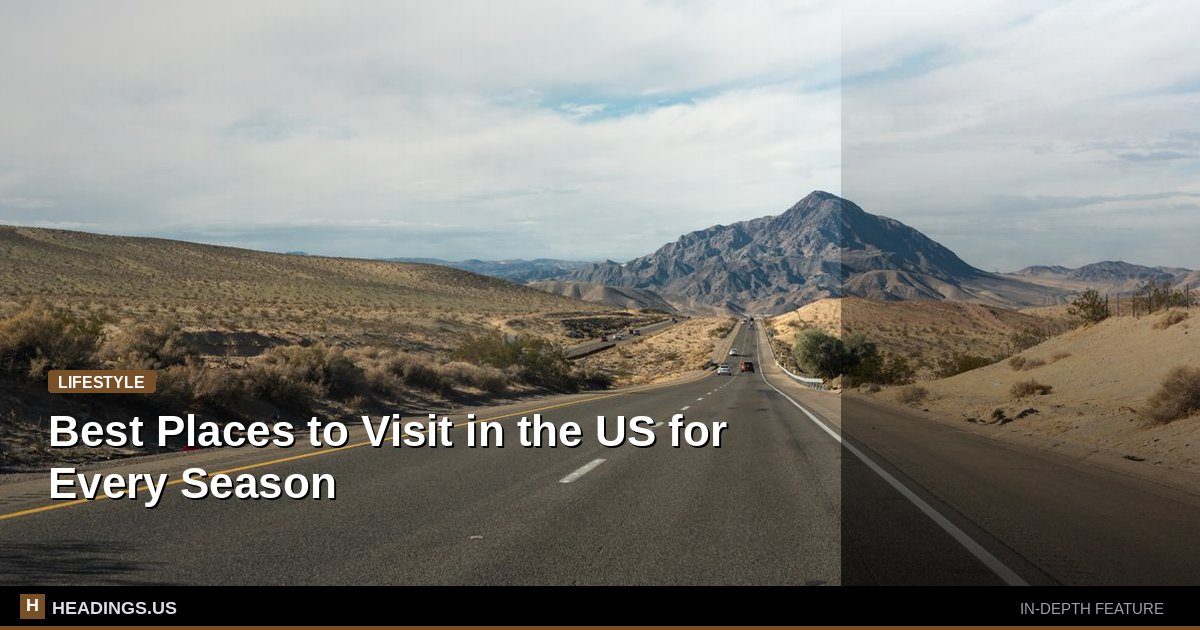
The hidden winter gem, though, is the national park system. Parks that are mobbed in July are nearly empty in January. Yosemite's valley floor sees a fraction of its summer traffic in winter, and the park stays open year-round. Death Valley, Joshua Tree, and the Grand Canyon's South Rim all offer comfortable daytime temperatures and almost no lines from December through February.
Practical Takeaways for Booking by Season
- Book summer trips in January. Flights and rental cars for June through August are cheapest three to six months out. Waiting until spring can add 40 percent or more to the cost.
- Use shoulder seasons for expensive destinations. Late April in Charleston, early October in Nantucket, and mid-September in Jackson Hole all deliver the same experience at lower prices.
- Check school calendars before you book. Many of the worst crowd days align with spring break weeks and the last two weeks of July. Shifting by a single week can transform a trip.
- Buy trip insurance for anything between August and October. Storm season in the Atlantic and Gulf makes cancellation coverage worth the cost for coastal trips.
- Consider the reverse strategy. Visiting a beach town in February or a ski town in July can be surprisingly rewarding, and it is almost always cheaper.
Seasonal timing also shapes longer-term decisions. If you are weighing a move to a warm-weather city after a winter visit, the numbers change fast once you factor in property taxes, insurance, and climate risk. Our breakdown of renting versus buying in every major US city walks through the actual math for markets from Miami to Phoenix.