Britain does not support a proposed deal for the United States to purchase Russian diesel, UK Health Secretary Wes Streeting said, publicly splitting London from the Trump administration on energy policy toward Moscow.
Streeting, a senior figure in Prime Minister Keir Starmer's cabinet, said the UK would not back an arrangement that channels revenue to Russia's fuel sector while the war in Ukraine continues. His comments mark one of the sharpest public breaks between London and Washington since Trump returned to office.
The proposed purchase would put American dollars into Russian diesel exports at a time when the UK and European Union have spent three years building sanctions designed to choke off the Kremlin's energy earnings. Diesel remains one of Russia's most lucrative export commodities, and any US purchase would undercut the price-cap and embargo architecture Western allies assembled after the February 2022 invasion.
Streeting did not detail what specific measures Britain might take in response, but his statement signals that the UK will not align itself with any US move to reopen Russian fuel trade. The UK has sanctioned hundreds of Russian individuals and entities since the invasion, including major oil and gas firms, and has banned Russian diesel imports since 2023.
The disagreement lands as the Trump administration has signaled a broader willingness to reset economic relations with Moscow. Trump has repeatedly said he wants to end the war in Ukraine quickly, and his advisers have floated easing some energy restrictions as a bargaining chip in peace talks.
European capitals have watched those overtures with unease. The EU has maintained its own ban on Russian seaborne diesel and continues to press member states to enforce the $60-per-barrel price cap on Russian crude that the G7 introduced in December 2022.
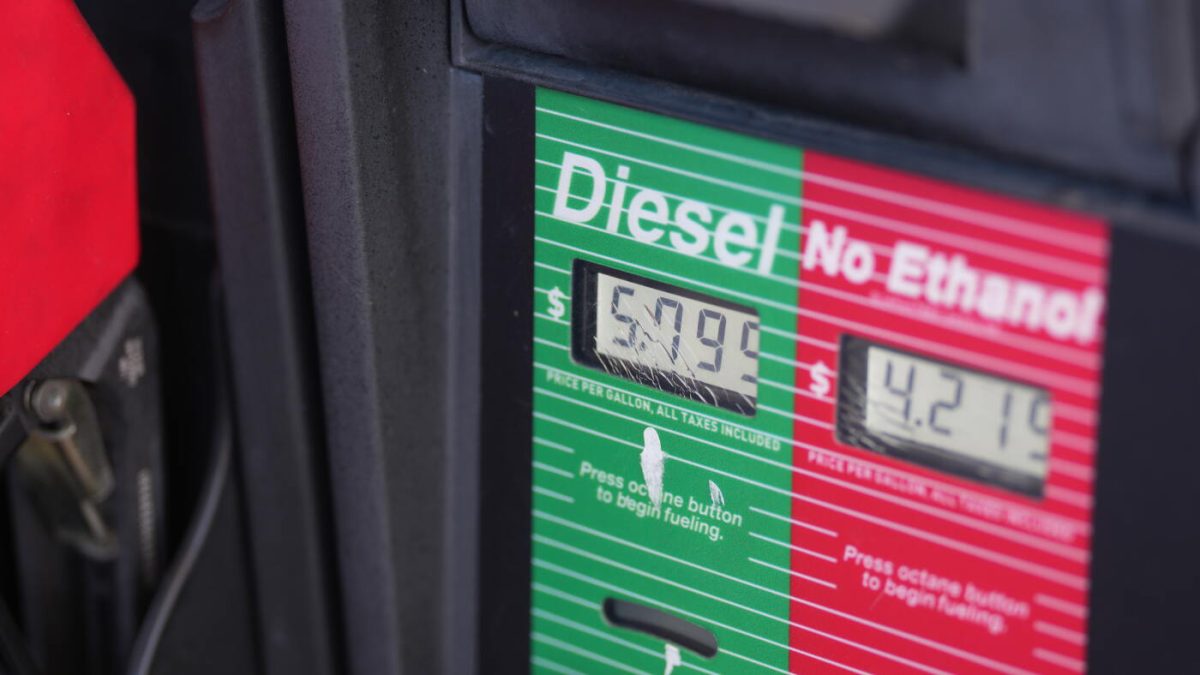
For American consumers, a US purchase of Russian diesel would have limited direct effect on pump prices but could complicate Western enforcement of existing sanctions. Traders who see Washington buying Russian fuel may test loopholes in the price cap, potentially softening the pressure that has cost Moscow tens of billions in lost export revenue.
Streeting's remarks came during a round of UK media appearances, where he was pressed on whether Britain would follow Washington's lead on Russia policy. He said the UK's position remains that Russia should not benefit economically from its invasion.
The Kremlin has not publicly responded to the proposed diesel purchase. The White House has not confirmed the specifics of any deal, and it remains unclear whether the arrangement is under formal negotiation or was raised in preliminary discussions.
Britain's break with Washington echoes earlier friction points, including disagreements over tariffs and defense spending, but the Russia diesel question carries higher stakes because it touches the core of the allied sanctions regime that has defined Western policy toward Moscow since 2022.