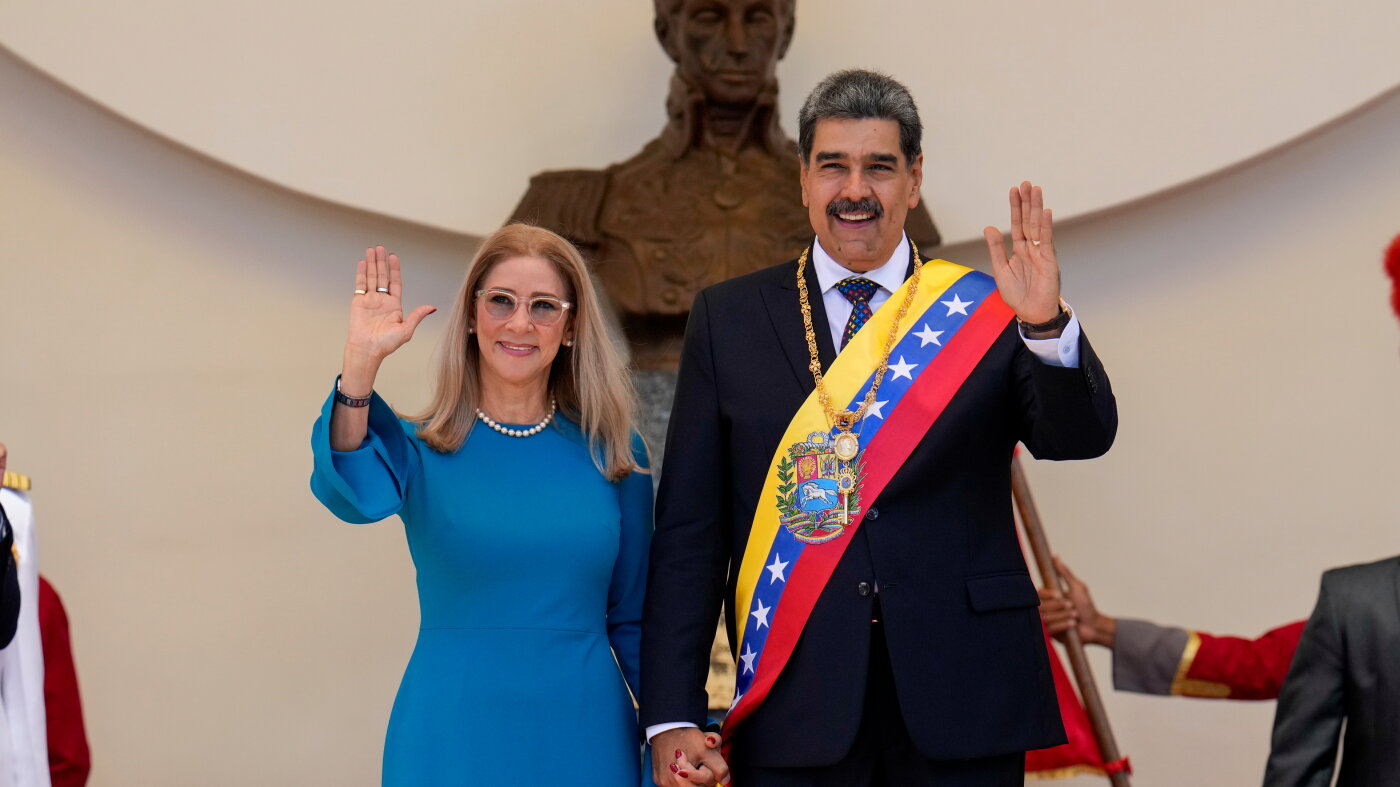
U.S. federal prosecutors have charged former Venezuelan President Nicolás Maduro with torture, adding the allegation to an indictment that already accused him of narco-terrorism and drug trafficking, according to court filings unsealed this week.
The torture charge marks the first time American authorities have accused a former head of state of personally directing the abuse of prisoners. Prosecutors say the conduct occurred during Maduro's tenure in office, when Venezuelan security forces under his command detained and mistreated political opponents.
The indictment names Maduro directly rather than treating the abuses as the work of subordinates, a legal distinction that raises the stakes of a case that has already strained relations between Washington and Caracas for years.
The Justice Department first indicted Maduro in March 2020 on charges of narco-terrorism, drug trafficking, and corruption, alleging that he and senior aides turned Venezuela into a launchpad for cocaine shipments bound for the United States. Federal prosecutors in the Southern District of New York brought that case, and the same office is handling the expanded charges.
The State Department has offered a reward of up to $15 million for information leading to Maduro's arrest or conviction, a figure first announced alongside the 2020 indictment and still in effect. Maduro has never been taken into U.S. custody. He remains in Venezuela, where he has continued to lead the ruling party despite the charges.
Maduro has repeatedly dismissed the American legal proceedings as a political weapon aimed at toppling his government. He has not responded publicly to the specific torture allegation.
Venezuela's 2024 presidential election, which Maduro's government claimed to win, was widely rejected by international observers who cited irregularities in the vote count. The disputed result deepened the rupture with Washington and left the country's opposition leadership in hiding or in exile.
The torture charge could complicate any future negotiations over sanctions relief or the terms of Maduro's departure from power, since it narrows the room for prosecutors to offer leniency in exchange for cooperation. U.S. officials have not indicated whether they intend to pursue extradition, which Venezuela's government would almost certainly refuse.
The case now rests with federal prosecutors in New York, who have not announced a trial date. Maduro, if convicted on the trafficking counts alone, would face a mandatory minimum of 10 years in prison and a maximum of life.