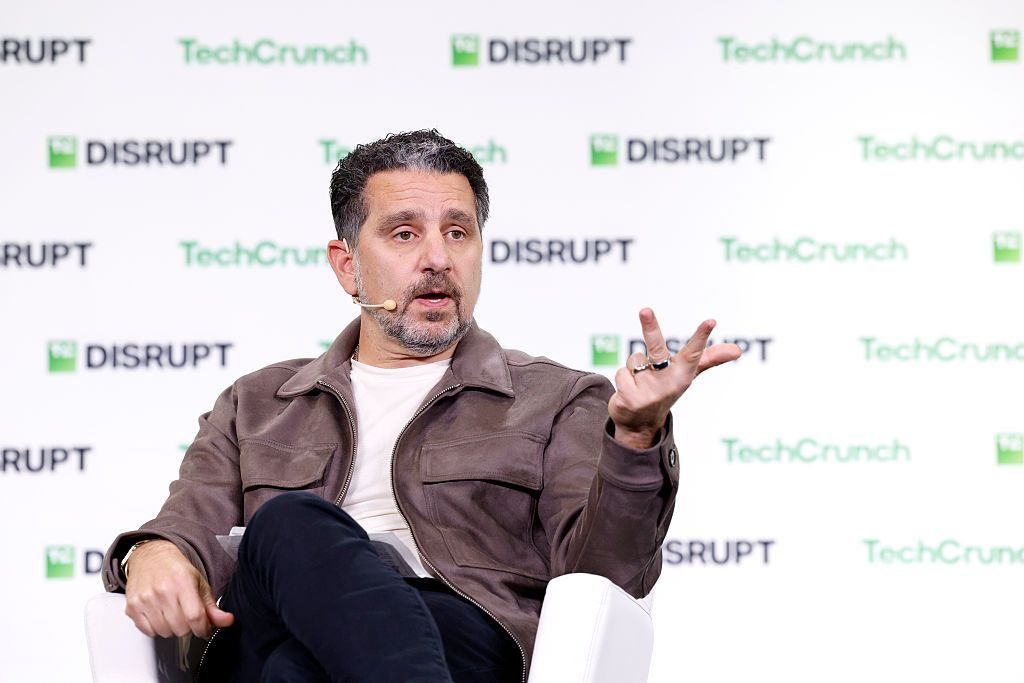
Amazon's devices chief Panos Panay said the apps people open dozens of times a day are headed for obsolescence, predicting that AI-driven devices will soon handle tasks directly without requiring users to launch individual applications.
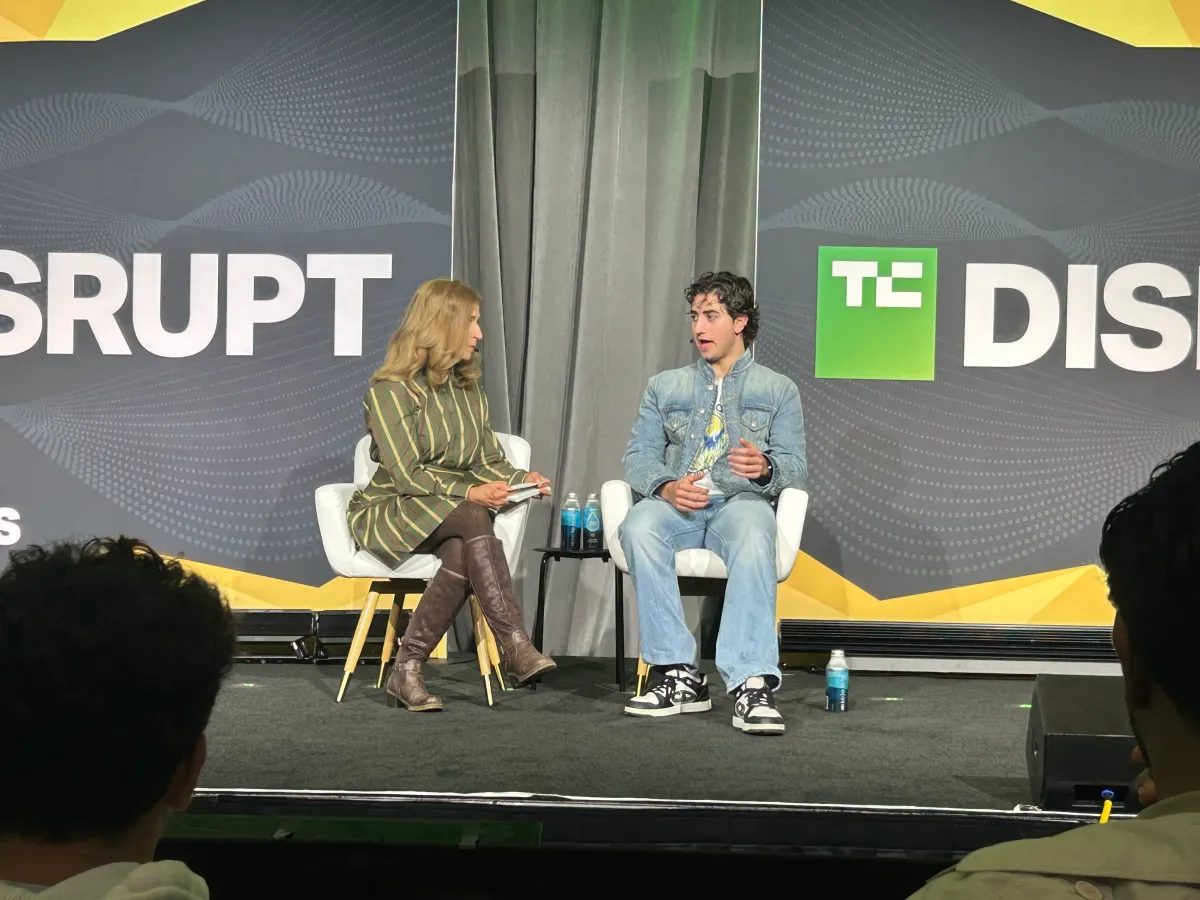
Panay, who leads Amazon's Devices and Services division, made the remarks during a TechCrunch event, where he described a shift in how consumers will interact with phones, tablets, and other hardware. Instead of tapping through a home screen full of icons, users would state what they want and let an AI system carry it out across services, he said.
The prediction carries weight because Amazon controls one of the largest device ecosystems in the world, including Echo smart speakers, Fire tablets, Fire TV streaming sticks, and the Kindle line. The company has been embedding its Alexa voice assistant into those products since 2014, and Panay now oversees the effort to rebuild Alexa around generative AI.
Amazon has spent years pushing voice-first interaction through Alexa, but the assistant has largely functioned as a gatekeeper that launches apps and skills rather than replacing them. Panay's vision goes further: an AI layer that understands intent, pulls data from multiple services, and completes tasks without the user ever opening a specific app.
The stakes for Amazon are significant. The company's devices unit has historically sold hardware at thin margins, using cheap Echo speakers and Fire tablets to pull customers deeper into its retail and Prime subscription businesses. If AI assistants become the primary way people use their devices, the companies that control those assistants could capture the attention and commerce that app stores and app developers currently command.
That shift would disrupt the app economy built over the past 17 years since Apple opened the iPhone to third-party software in 2008. Apple's App Store and Google's Play Store together generated hundreds of billions of dollars in developer revenue, and app makers depend on users opening their products regularly.
Panay did not give a timeline for when AI-first devices would replace app-based interaction, and he did not detail specific products Amazon plans to ship. His comments come as Amazon, Google, Apple, and Samsung all race to integrate large language models into phones, speakers, and wearables.
Amazon has already begun rolling out a revamped Alexa powered by generative AI, a project the company has said will reach hundreds of millions of existing devices. Rival efforts include Apple's Apple Intelligence features on the iPhone 16 lineup and Google's Gemini assistant built into Android and Pixel hardware.
Panay joined Amazon in 2023 after more than two decades at Microsoft, where he led the Windows and Surface hardware teams. His move signaled Amazon's intent to sharpen its hardware strategy as competition in AI devices intensifies.