Cal AI, the calorie-tracking app founded in 2024, built its rapid rise on the internet by paying a network of influencers to promote it, according to reporting by TechCrunch. The strategy — deploying what amounts to a small army of paid creators rather than relying on organic word of mouth — drove the app's viral growth.
The approach reflects how consumer apps now buy attention in a crowded market. Rather than spending on traditional advertising, Cal AI funneled money toward individual creators, each with their own follower base, to generate a steady stream of posts recommending the app.
Cal AI's founder, Yadegari, designed the influencer playbook that powered the app's expansion. The company launched in 2024, meaning it went from a standing start to a widespread social media presence in roughly a year.
Calorie-tracking apps compete in a market that includes established players like MyFitnessPal, which has operated since 2005 and claims more than 200 million registered users. Cal AI entered that field more than a decade later and used paid promotion to carve out visibility rather than product differentiation alone.
Influencer marketing has become a standard tool for app developers because it can be targeted precisely and measured by referral links and promo codes. A creator with a niche fitness audience can deliver downloads at a fraction of the cost of a national ad campaign, though the model depends on disclosure rules from the Federal Trade Commission, which require paid endorsements to be clearly labeled.
The economics of the strategy matter for anyone who has downloaded an app after seeing it on TikTok or Instagram. When growth is purchased through creators, the spending shows up in the company's costs and often in subscription pricing, which is how most free-to-download fitness apps generate revenue.
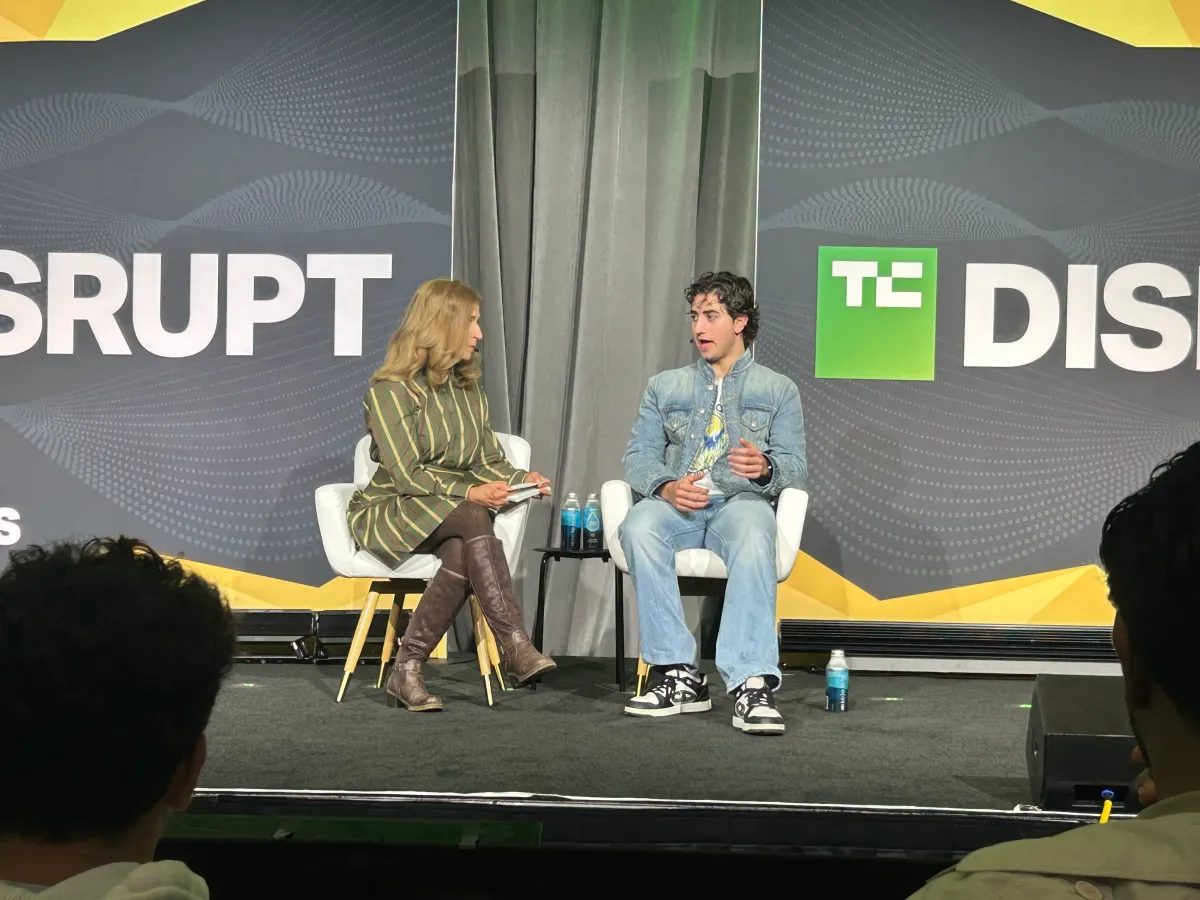
TechCrunch reported on the influencer strategy as part of its coverage of Cal AI's trajectory. The publication also promoted its Founder Summit, scheduled for Oct. 16, and its Disrupt event, with doors opening Oct. 13.
Cal AI's model mirrors a broader pattern among 2024-era app startups: lean teams, aggressive creator spending, and growth metrics tied to social virality rather than app store search. Whether that spending converts into long-term retention is the question that will determine whether the company's bet pays off.