The undersea fiber optic cables that carry more than 95% of the world's international internet traffic are increasingly vulnerable to damage from sabotage, fishing activity, and natural disasters, according to a report by Ars Technica. The network now spans roughly 1.4 million kilometers of cable across the ocean floor, and the pace of threats against it is accelerating faster than the industry can respond.
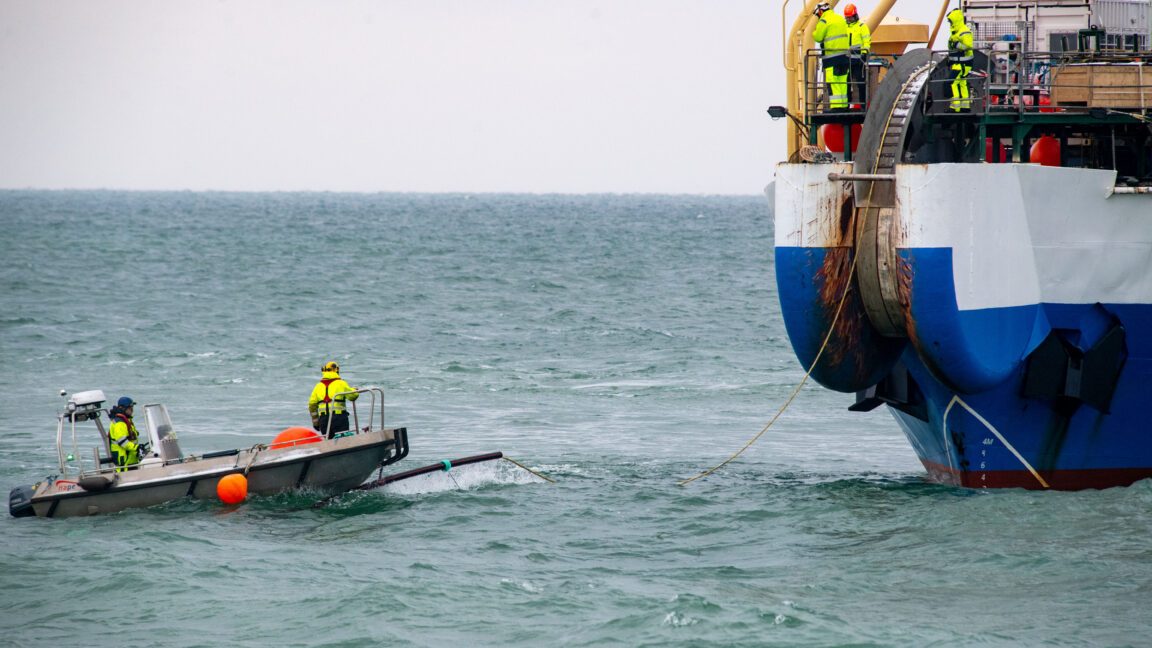
The immediate concern centers on the small number of ships capable of repairing deep-sea cables. Fewer than 60 cable repair vessels operate worldwide, and many are booked months in advance. When a cable breaks — whether from an anchor drag, an undersea landslide, or deliberate cutting — restoration can take weeks, leaving entire regions dependent on backup routes that may already be near capacity.
Global internet traffic has surged past 600 terabits per second, according to data from network monitoring firm TeleGeography. That volume keeps climbing as cloud computing, streaming video, and AI data centers demand ever more bandwidth between continents. The cables carrying that load are typically no thicker than a garden hose, buried in trenches or laid directly on the seabed at depths exceeding 8,000 meters in some locations.
Recent incidents have sharpened attention on the network's fragility. In November 2024, two cables in the Baltic Sea were severed within 48 hours, prompting NATO to launch a dedicated monitoring mission called Baltic Sentry. Investigators in several European countries have treated the cuts as possible acts of hybrid warfare. A separate outage in the Red Sea in early 2024 disrupted traffic across Africa and the Middle East for weeks.
Repair timelines remain a persistent problem. The International Cable Protection Committee, an industry group, has reported that permitting delays, rough weather, and a shortage of specialized vessels routinely push repair times past 30 days. During that window, carriers must reroute traffic through surviving cables, many of which were not designed to absorb the extra load.
One industry observer, describing the aftermath of a major cable disruption, called it a "Christmas Day massacre" — a reference to the scale of outages that can hit consumers and businesses when multiple routes fail simultaneously.
The geopolitical dimension adds further risk. The United States, China, and the European Union are all racing to fund new cable projects and secure landing stations on their own territory. In 2024, the U.S. Commerce Department proposed rules requiring licensing review for cable systems connected to companies owned by foreign adversaries. The measures aim to prevent espionage and single points of failure controlled by rival governments.
Insurance costs for cable operators have climbed in response. Premiums for submarine cable coverage rose an estimated 15% to 20% over the past two years, according to broker reports, reflecting the higher perceived threat from both physical damage and deliberate attack.