Auto repair shops are spending thousands of dollars a year on computers, software and calibration tools just to keep up with increasingly sophisticated vehicles, and those costs are being passed to drivers through higher repair bills.
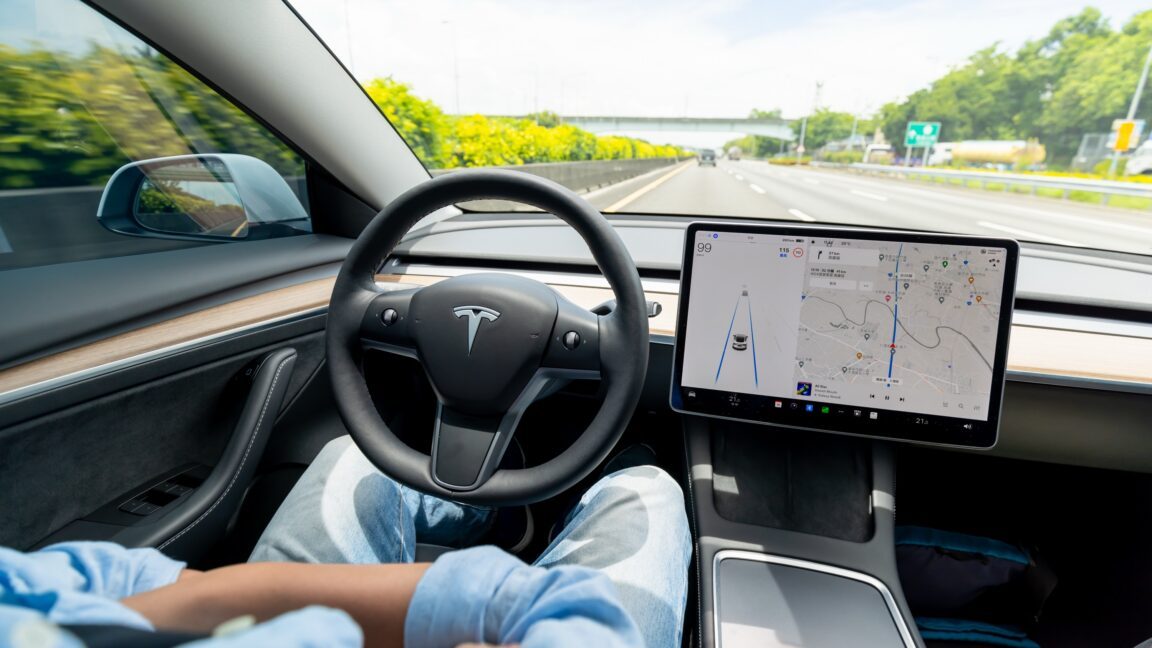
The shift is driven by the electronics packed into new cars. Modern vehicles can run dozens of onboard computers that control everything from engine timing to braking, lane-keeping and backup cameras. Diagnosing a problem now often requires factory-level software and equipment that independent shops must buy and update on a subscription basis.
Ralph Czeisler, who owns Emil's All-Tire in the Gravesend section of Brooklyn, New York, said the pace of change leaves him no choice but to upgrade his equipment every year. "Every year, I update all my computers," Czeisler said. The recurring expense adds up for a small shop that cannot spread the cost across a national network.
Calibration is one of the biggest new cost centers. When a windshield is replaced on a car with a forward-facing camera, the camera must be realigned to the manufacturer's specifications, a job that requires targets, clear floor space and software the shop has to license. Some automakers restrict access to that software, pushing certain repairs back to dealerships.
The costs do not stop at the shop door. Labor rates have climbed as technicians are retrained for electronics work, and parts prices have risen with the complexity of the systems they support. The average age of a vehicle on U.S. roads has also reached record highs, according to S&P Global Mobility, meaning more older cars are coming in for repairs that still involve complex electronics.
For consumers, the practical effect is that jobs once handled with hand tools now carry diagnostic fees and calibration charges. A simple sensor replacement can require a scan tool, a relearn procedure and a road test before the car leaves the lot. Shops that skip those steps risk comebacks and liability.
Independent mechanics say the pressure favors larger operations that can absorb the capital costs. Czeisler's annual computer refresh is one example of a burden that smaller garages across the country are facing as vehicles grow more computerized with each model year.