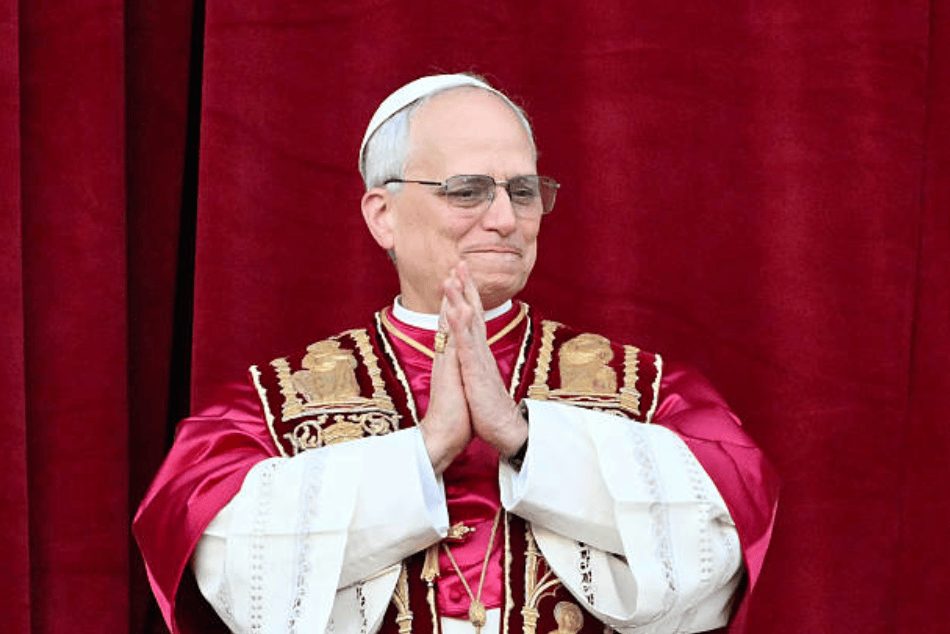
Pope Leo XIV denounced artificial intelligence-generated artwork on Thursday, calling it "counterfeit beauty" and warning that machines cannot replicate the human soul that gives art its moral weight. The pope made the remarks during an address at the Vatican, according to a report by TechCrunch.
The pontiff singled out AI image generators specifically, arguing that art produced by algorithms strips away the intention, suffering and lived experience that have defined Western artistic tradition for centuries. He did not name any specific AI companies or tools, but his comments land as image generators from OpenAI, Google and Midjourney have flooded museums, advertising agencies and social media feeds with machine-made visuals.
The pope's criticism carries institutional weight beyond the pulpit. The Vatican has spent the past two years drafting internal guidance on AI ethics, and Leo XIV has previously called for an international treaty governing autonomous systems. His remarks Thursday extend that campaign into cultural territory, framing AI art not merely as an economic threat to illustrators and painters but as a theological problem — the substitution of divine creativity with mechanical imitation.
The economic stakes are concrete. Major stock image libraries have seen licensing revenue decline as AI-generated alternatives proliferate, and working illustrators have reported rate cuts of 30% to 50% on freelance platforms since 2023. The pope's intervention gives those workers an unusually prominent ally at a moment when courts in the United States and Europe are still sorting out whether AI training on copyrighted artwork constitutes infringement.
Leo XIV's language echoed arguments artists' groups have made for years — that generative models are trained on human labor without consent or compensation. "A machine can imitate a brushstroke," the pope said, according to TechCrunch, "but it cannot know why the hand trembled."
The address drew immediate reaction from the technology industry, where AI art tools have become a centerpiece of product roadmaps. Several major AI conferences this fall have featured generative art demonstrations as headline attractions, and the pope's remarks are likely to intensify an already heated debate over disclosure requirements for AI-produced images.
The Vatican has not announced whether the pope's comments will be formalized into a doctrinal document. Previous papal statements on technology, including Leo XIV's 2024 letter on autonomous weapons, were later incorporated into formal guidance for Catholic institutions worldwide.