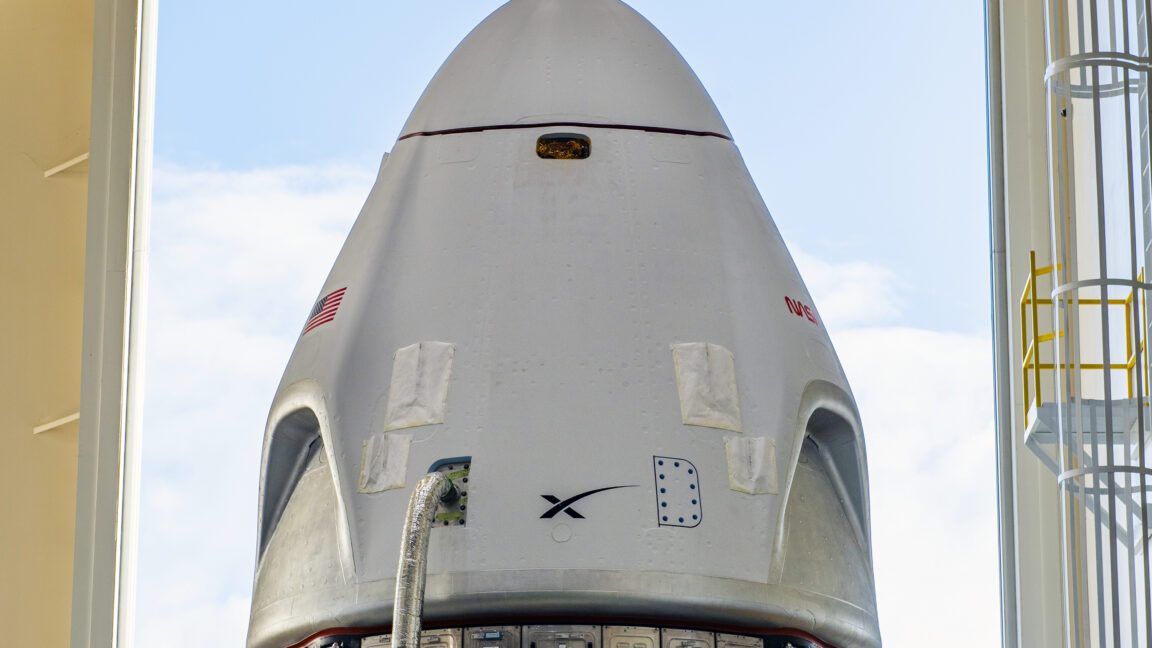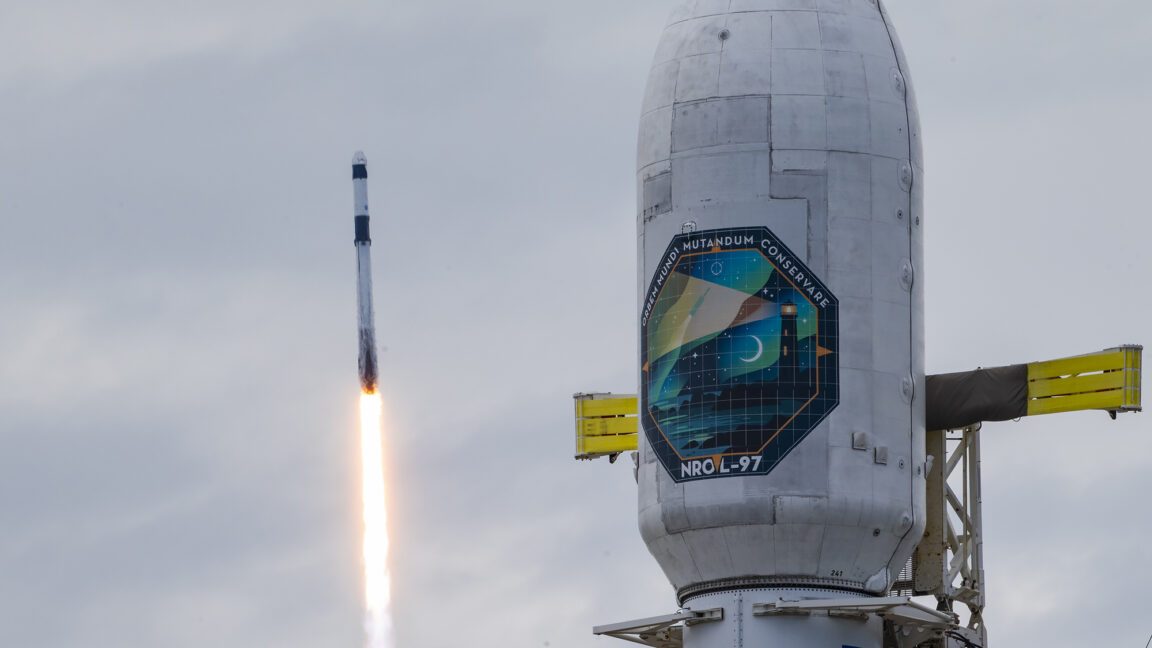
SpaceX launched three Falcon 9 missions in four days, capping the stretch with a flight from Vandenberg Space Force Base in California, while rival Rocket Lab signed a 20-launch Electron contract — the largest single deal in the company's history.
The triple-header began with a Starlink batch from Cape Canaveral, Florida, continued with a second Starlink mission from the same pad, and closed with the Vandenberg flight carrying commercial payloads. All three boosters landed successfully, according to SpaceX, preserving the reusable fleet that now flies the majority of the company's missions.
The cadence matters because launch slots are the bottleneck for satellite operators. SpaceX has now flown more than 90 orbital missions in 2024, a pace that has forced competitors to either match its schedule or cede customers who cannot wait for a ride to orbit.
Rocket Lab's deal, announced the same week, commits the Long Beach, California-based company to 20 Electron launches for an undisclosed customer. Electron is a small-lift vehicle capable of carrying roughly 300 kilograms to low Earth orbit, a fraction of Falcon 9's 22,800-kilogram capacity, but it flies dedicated missions on short notice — a niche SpaceX's rideshare program does not fully cover.
"Signing 20 launches in a single deal is a massive vote of confidence not just in Electron but in the launch cadence," a Rocket Lab official said. The company has now booked more than 50 Electron missions for 2024 and 2025 combined, according to its own manifest.
The two companies occupy different ends of the commercial market. SpaceX dominates heavy and medium-lift launches, including NASA crew and cargo flights to the International Space Station and national security missions for the U.S. Space Force. Rocket Lab has carved out the smallsat segment, where customers include Earth-imaging firms, technology demonstrators, and government agencies that need a specific orbit rather than a rideshare drop-off.
Rocket Lab is also developing Neutron, a medium-lift reusable rocket designed to compete directly with Falcon 9. Neutron's first flight is targeted for 2025 from Wallops Island, Virginia. The 20-launch Electron contract gives the company near-term revenue while Neutron moves through testing.
SpaceX's four-day run was not the company's fastest. It flew three missions in under 48 hours in March 2024. But the consistency — three successful launches and three booster recoveries in a single work week — reflects a launch system that has moved from experimental to routine.
Neither company disclosed the financial terms of the Rocket Lab contract. SpaceX does not publish per-launch pricing, though its website lists a standard Falcon 9 rideshare seat at $1.1 million and a dedicated mission starting around $67 million.