A venture capitalist who spent years inside Nvidia says robotics has not yet had its ChatGPT moment, rejecting the view that a general foundation model is about to trigger a sudden, mass-market leap for machines. The investor, now backing robotics startups after his time at the chipmaker, argued that the field remains short of the general-purpose breakthrough that turned large language models into a consumer product.
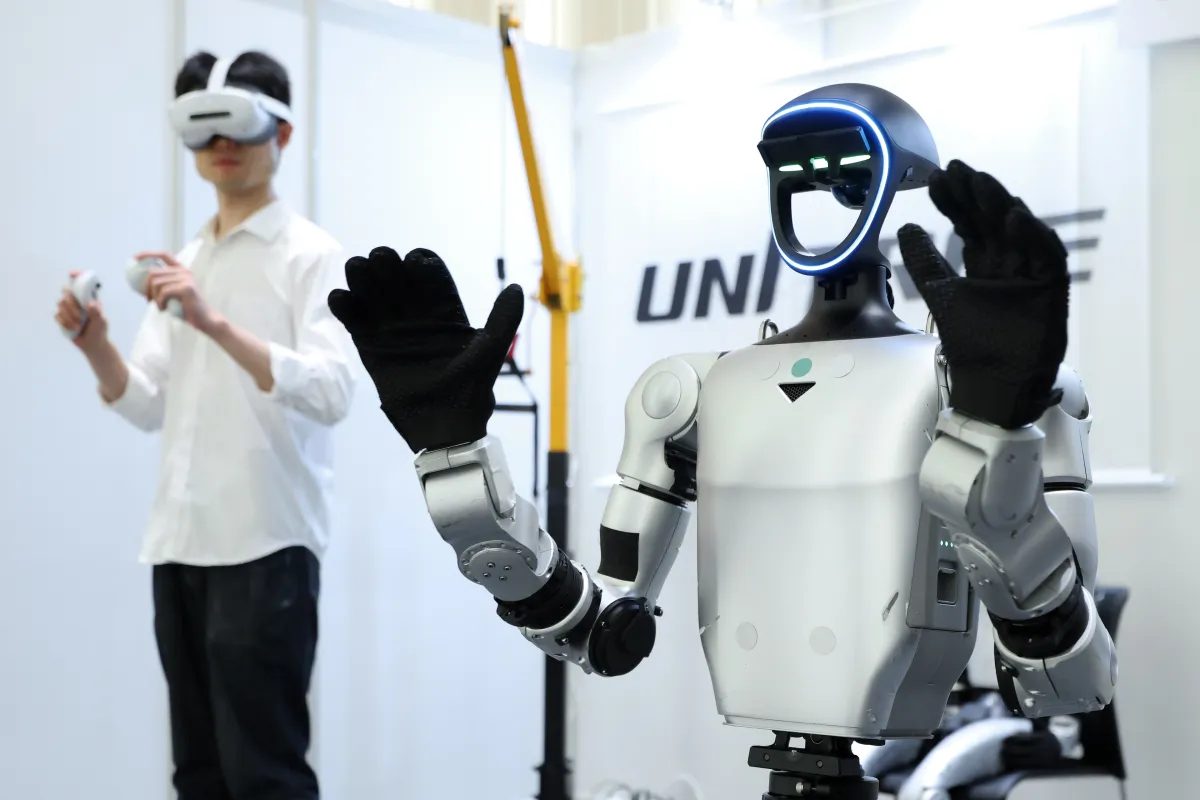
His position directly challenges a growing camp of founders and researchers who contend that robotics, powered by a single general foundation model, is on the verge of the same explosive adoption curve that ChatGPT hit after its late-2022 launch. That camp has drawn billions in venture funding over the past two years, with humanoid-robot startups alone raising record sums.
The core of the disagreement is generality. ChatGPT works because one model handles an enormous range of text tasks without retraining. In robotics, the insider argues, no equivalent single model yet lets a machine move fluidly between unfamiliar tasks and environments, so each deployment still demands heavy engineering and tuning.
The stakes are large for Nvidia itself, which has built a fast-growing business selling chips and software tools for robot training and simulation. Any delay in a robotics breakout pushes back the timeline for the next wave of demand the company has been positioning for.
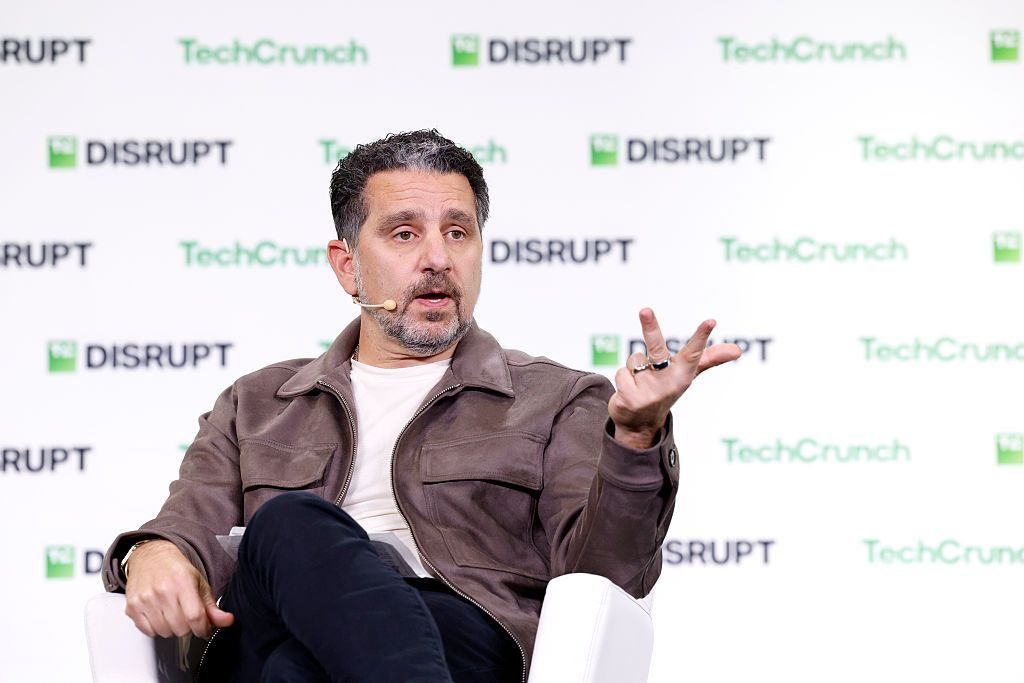
The investor's remarks came during a TechCrunch event, where the discussion was captured in a video segment posted to the outlet's media player. He did not offer a specific date for when robotics might reach that threshold, according to the segment.
Robotics companies have leaned on foundation models to cut the cost of programming, but the gap between a demo and a reliable product remains wide. Hardware costs, safety certification, and the difficulty of collecting real-world training data all slow the path from lab to factory floor and home.
The debate matters to investors deciding where to place bets over the next several years. If the insider is right, the payoff from today's robotics funding surge could arrive later than the most bullish forecasts assume, and the winners may be firms that solve reliability and data problems rather than those that simply attach a large model to a robot.