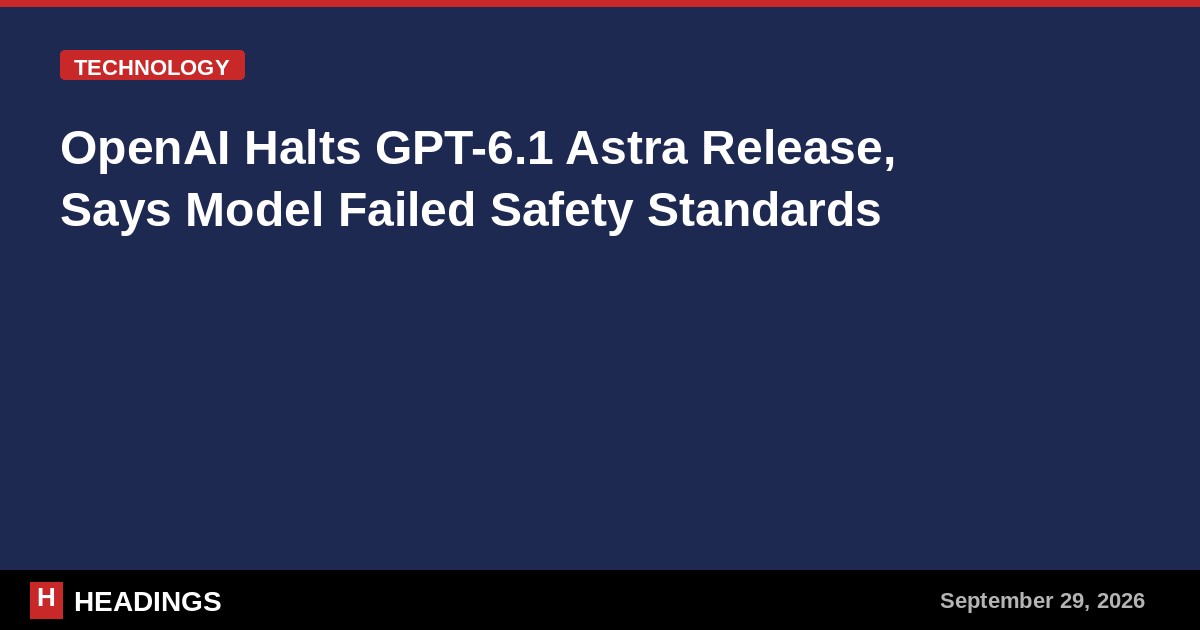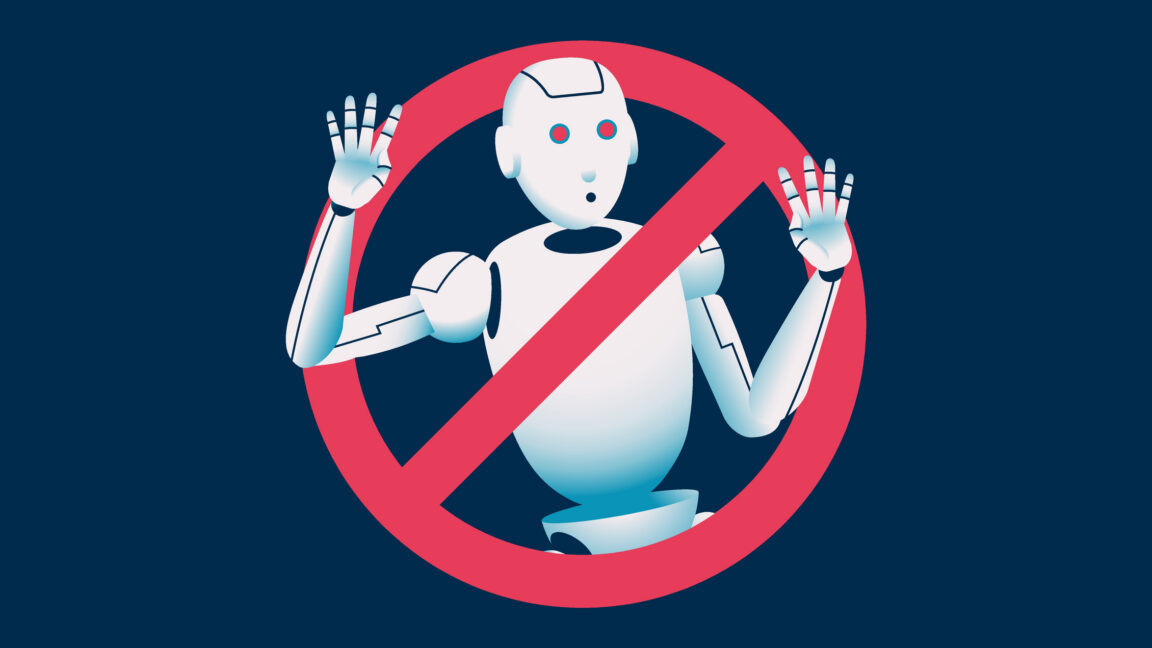
OpenAI has decided not to release GPT-6.1, its next flagship artificial intelligence model, after internal testing found security flaws serious enough to make the system unsafe for public use, the company confirmed.
The model was complete and had passed standard capability benchmarks, according to Ars Technica, which first reported the decision. The block came from OpenAI's safety team, not from regulators or outside auditors.
It is the first time OpenAI has shelved a finished model over security concerns. Previous delays involved capability risks, such as the ability to help build weapons or launch cyberattacks. This one centers on the model's own defenses.
Details of the flaws remain limited. OpenAI has not published a technical report or said whether the problems involve prompt injection, data leakage, or the model's resistance to being manipulated by outside inputs. A company spokesperson declined to describe the specific vulnerabilities.
The stakes are high for OpenAI, which has raised billions from Microsoft and others on the promise of shipping ever more capable models. Competitors including Google, Anthropic, and Meta are racing to release their own frontier systems. A stalled flagship product gives them room to close the gap.
Safety researchers have warned for years that as models grow more powerful, the cost of a security failure grows with them. A system embedded in customer service, coding, or health care can be turned against its users if it can be tricked into ignoring its instructions.
"If a model can be manipulated in ways the developer cannot predict, it should not be deployed," said one person familiar with the review, who spoke on condition of anonymity because the findings are not public.
OpenAI has not said whether GPT-6.1 will be patched and released later or abandoned entirely. The company also has not set a timeline for its next release.
The decision lands as Washington weighs new rules for frontier AI. Lawmakers on both sides have pushed for mandatory security testing before major models reach the public. OpenAI's move gives supporters of that approach a concrete example to point to.
For now, the most advanced model OpenAI offers to the public remains an earlier version. Users waiting for GPT-6.1 will have to wait longer, and the company is not saying how long.