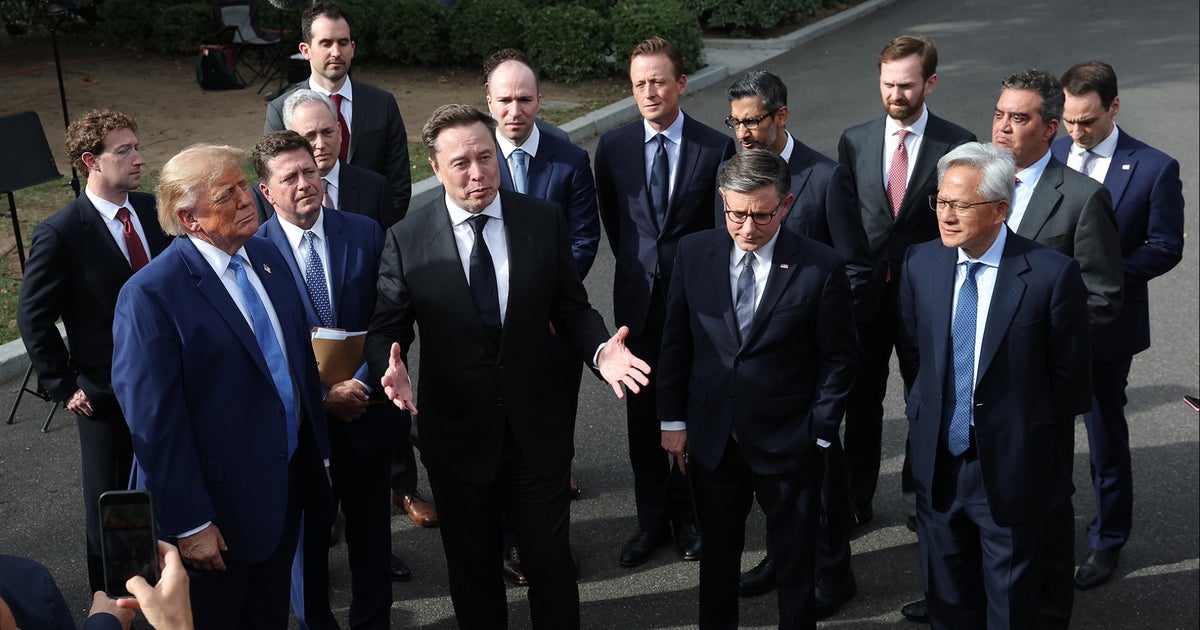
President Donald Trump signed a voluntary artificial intelligence agreement with major technology companies at the White House on Tuesday, establishing non-binding safety and transparency standards for the industry.
The pact, which the White House described as an AI "constitution," covers safety testing, transparency, and protections for children who use AI systems. No company is legally bound to follow it, and the agreement carries no penalties for those that do not.
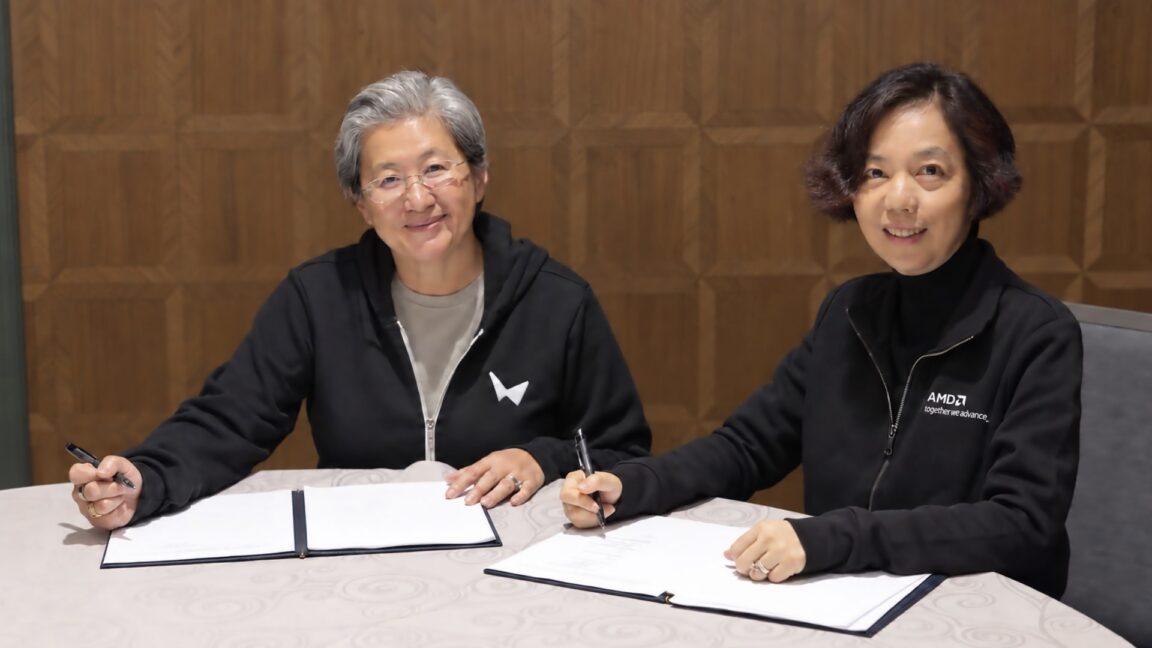
Trump signed the document alongside executives from leading AI developers. He called the agreement a framework for American leadership in the technology, according to CBS News.
The deal arrives as AI companies face growing scrutiny from lawmakers and regulators over how their systems are built and deployed. Several states have advanced their own AI rules, and Congress has weighed federal legislation without passing anything.
Critics said the voluntary approach leaves the public without real protections. Enforcement depends entirely on the companies that signed it.
"A voluntary pledge is not a safeguard," said one policy analyst who reviewed the agreement. "It is a press release with a signature."
The document includes commitments on testing AI models before release, disclosing how systems work, and limiting children's exposure to harmful content. It does not say who verifies those commitments or what happens if a company breaks them.
The signing follows a series of executive orders Trump issued on AI since returning to office, including one directing agencies to remove barriers to AI development. His administration has argued that heavy regulation would push AI work overseas and hand an advantage to China.
Tech companies have largely welcomed the lighter approach. Industry groups have spent months lobbying against mandatory safety rules, arguing they would slow innovation.
It is not clear whether the agreement will survive beyond Trump's term. A future administration could discard it, and none of its provisions would bind companies that later withdraw.
Several of the executives at the signing have publicly warned that advanced AI poses serious risks. Some have called for government oversight of the most powerful systems, even as their companies oppose specific regulations.
The White House did not release the full text of the agreement or say which companies committed to it. Officials said more details would come later.
For now, the pact stands as a statement of intent rather than a rule of law, leaving the hardest questions about AI safety to the companies building the technology.