The Justice Department arrested a 38-year-old technology CEO on Thursday and charged him with smuggling $300 million worth of Nvidia-powered servers into China using falsified shipping documents, according to a department press release.
Greg Lui is accused of masking the true destination of the servers, which contain advanced Nvidia chips subject to US export controls, in order to move them into Chinese hands. Federal agents took him into custody the same day prosecutors unsealed the allegations.
The case is the latest in a widening federal crackdown on the diversion of American artificial intelligence hardware to China, a country the US has barred from receiving top-tier Nvidia processors since 2022. Those controls, tightened repeatedly since then, are designed to keep Beijing from using US-designed silicon to advance military and surveillance systems.
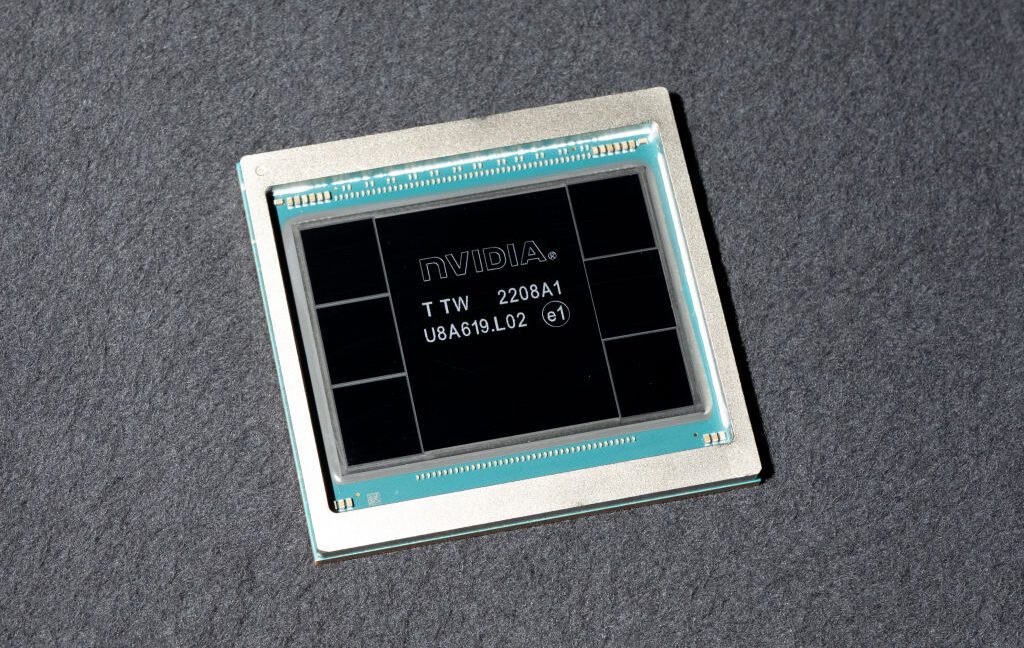
Nvidia's most powerful chips — including the H100 and its successors — sit at the center of the global AI boom and can sell for tens of thousands of dollars each. Demand inside China is intense, and the price gap between legal and black-market channels has created a smuggling economy that US officials say has grown harder to police as servers become easier to disguise as ordinary commercial cargo.
Prosecutors say Lui used false paperwork to make the shipments appear destined for legitimate buyers, concealing that the equipment was bound for China. The Justice Department did not disclose in its release how many servers were involved or which specific Nvidia models they contained.
Export enforcement cases have multiplied over the past two years. In 2024, the Commerce Department's Bureau of Industry and Security opened a record number of investigations into illegal chip diversions, and officials have warned that transshipment through third countries such as Singapore, Malaysia, and the United Arab Emirates is a common tactic.
Convictions in these cases can carry steep penalties. Smuggling charges under US export law can result in up to 20 years in prison and fines of up to $1 million per violation, and prosecutors have increasingly pursued individual executives rather than just the companies they run.
Nvidia has said it complies with all US export rules and that its chips are not designed for smuggling. The company has previously stated that it cannot track hardware once it leaves authorized distributors.
Lui's arrest adds to a growing list of enforcement actions targeting the AI supply chain, as Washington tries to slow China's access to the computing power that underpins advanced machine learning. The Justice Department did not say whether Lui has entered a plea or retained counsel.