The World Bank raised its growth forecast for East Asia and the Pacific to 4.5% for this year, up 0.3 percentage point from its April projection, while warning that the region's momentum rests on an unusually narrow base: artificial intelligence manufacturing and exports.
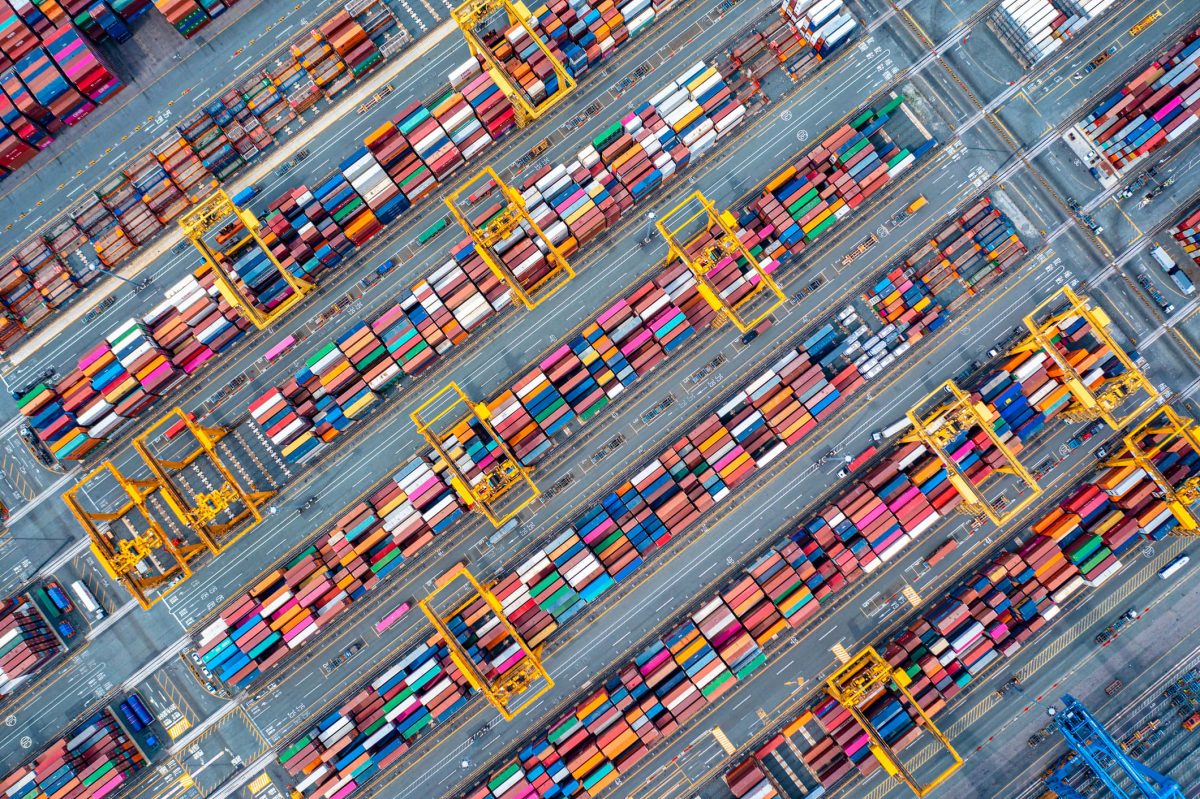
The bank's latest report, released Wednesday, credits AI-related trade for driving the upgrade. Six economies — China, Indonesia, Malaysia, the Philippines, Thailand and Vietnam — shipped $1.4 trillion of AI-related goods in the 12 months through April, a figure that now anchors a disproportionate share of the region's export earnings.
The warning cuts both ways. Trade growth outside AI-related goods has stalled, meaning the region's headline numbers would look far weaker without the chip, server and data-center supply chain. And the demand side is concentrated in the United States, where AI-related capital expenditure has climbed to roughly 6% of GDP — a level the bank compared to the peak of the dot-com investment boom in 2000.
That comparison matters because the 2000 peak was followed by a sharp pullback in technology spending that helped push the U.S. economy into recession. If American firms slow their AI infrastructure buildout, the bank cautioned, East Asian exporters would absorb the shock directly.
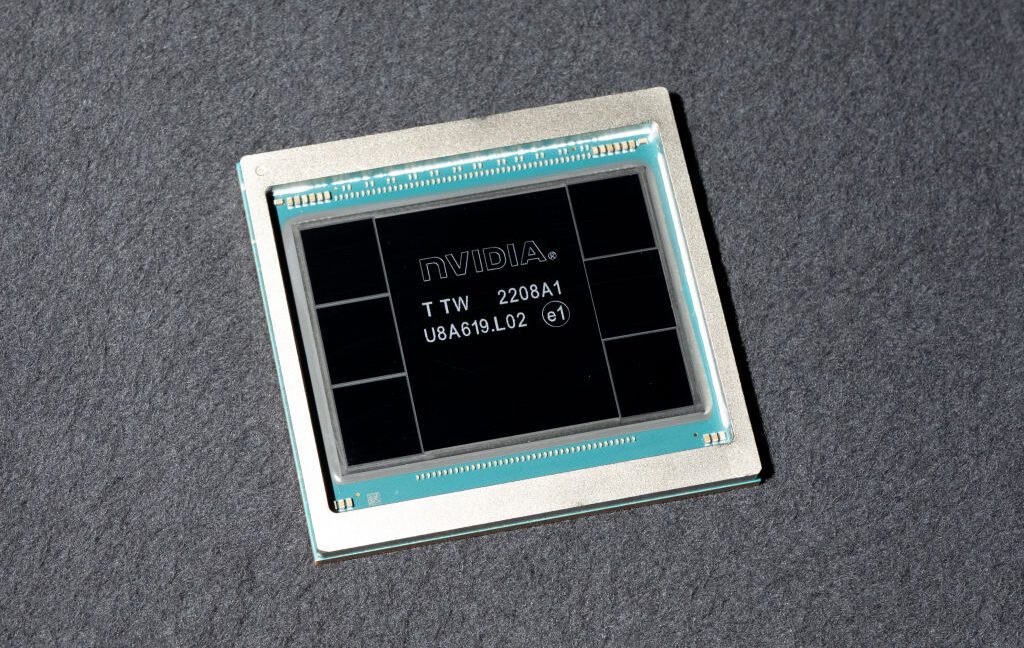
South Korea offers the clearest illustration of the exposure. Government data showed the country's exports grew 83.5% in September to a record $120.9 billion, with semiconductors accounting for half of that total. A single product category is now carrying the majority of the nation's outbound trade.
The bank's report did not forecast an AI spending downturn. But it flagged the concentration as a structural vulnerability: the same narrow export mix lifting growth forecasts today would amplify any reversal in global AI demand tomorrow.
The upgrade puts East Asia and the Pacific among the faster-growing regions the World Bank tracks, though the report notes that excluding AI-related goods, trade growth across the six economies has been flat. The gap between the two figures — headline strength and underlying stagnation — is the central tension in the bank's assessment.
For policymakers in Seoul, Beijing, Hanoi and Jakarta, the report lands as a dual message: the AI supply chain is delivering real, measurable gains, and those gains rest on a demand source that has never been tested by a full downcycle.