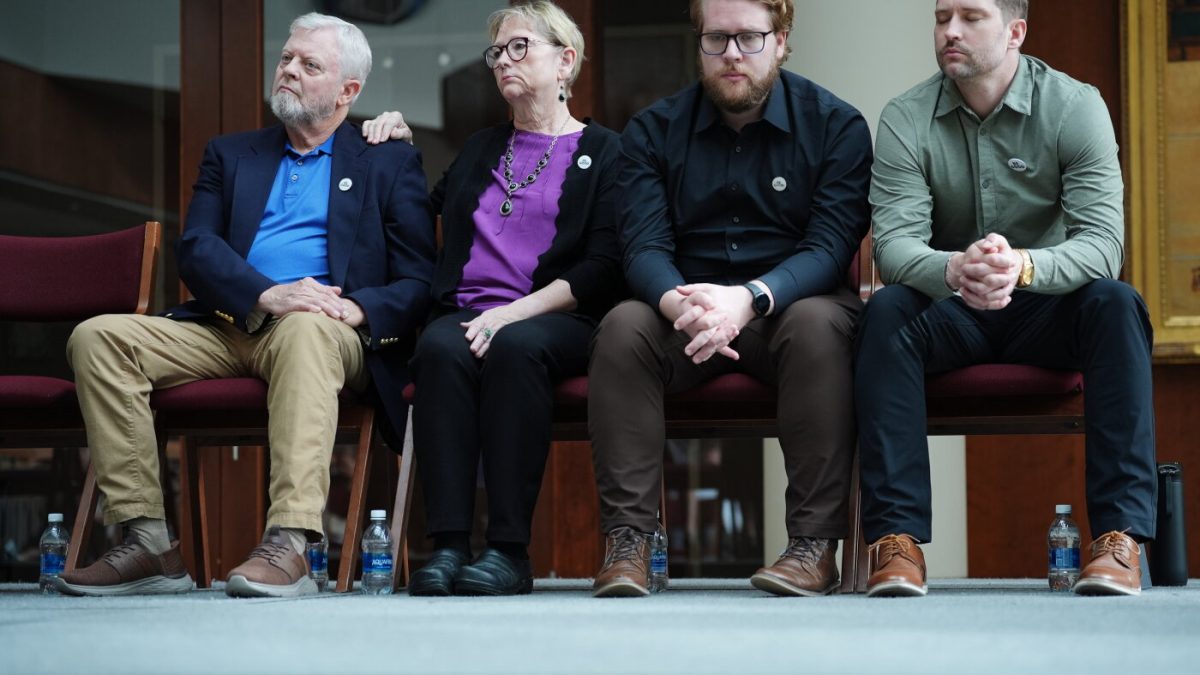
The family of Renee Good filed wrongful death lawsuits Thursday against the Department of Homeland Security and U.S. Immigration and Customs Enforcement, alleging federal agents used excessive and unjustified force when they shot and killed her during an immigration enforcement operation in Minneapolis.
The suits, filed in federal court, name DHS, ICE, and individual officers involved in the raid as defendants. The family is seeking monetary damages and a court declaration that the agents' conduct violated Good's constitutional rights.
Good was killed during what ICE described as a targeted enforcement action in Minneapolis. According to the family's complaint, she was not the subject of the arrest warrant and posed no threat to agents at the time she was shot. Attorneys for the family said no weapon was recovered from Good.
The lawsuits allege that agents failed to identify themselves properly, did not give a warning before firing, and used deadly force without justification. The complaint also accuses DHS and ICE of inadequate training and supervision of field officers conducting immigration arrests in residential areas.
"Renee was a mother, a neighbor, and a member of this community," said Ben Crump, the civil rights attorney representing the family, in a statement announcing the filing. "She should be alive today. No family should have to bury a loved one because federal agents treated their neighborhood like a war zone."
An ICE spokesperson declined to comment on pending litigation but said the agency cooperates with internal reviews of use-of-force incidents. The Department of Homeland Security's Office of Inspector General has opened a separate investigation into the shooting, which remains ongoing.
The killing drew national attention as part of a broader surge of federal immigration enforcement operations in Minneapolis and other sanctuary cities. Minnesota Attorney General Keith Ellison called for an independent investigation in the days after Good's death, and local officials criticized what they described as a lack of transparency from federal agencies.
Wrongful death claims against federal law enforcement are governed by the Federal Tort Claims Act and Bivens doctrine, which allow suits against the government and individual officers in limited circumstances. Courts have narrowed Bivens claims in recent years, making constitutional claims against individual federal agents difficult to sustain.
The case has been assigned to U.S. District Judge Donovan Frank in the District of Minnesota. No hearing date has been scheduled.