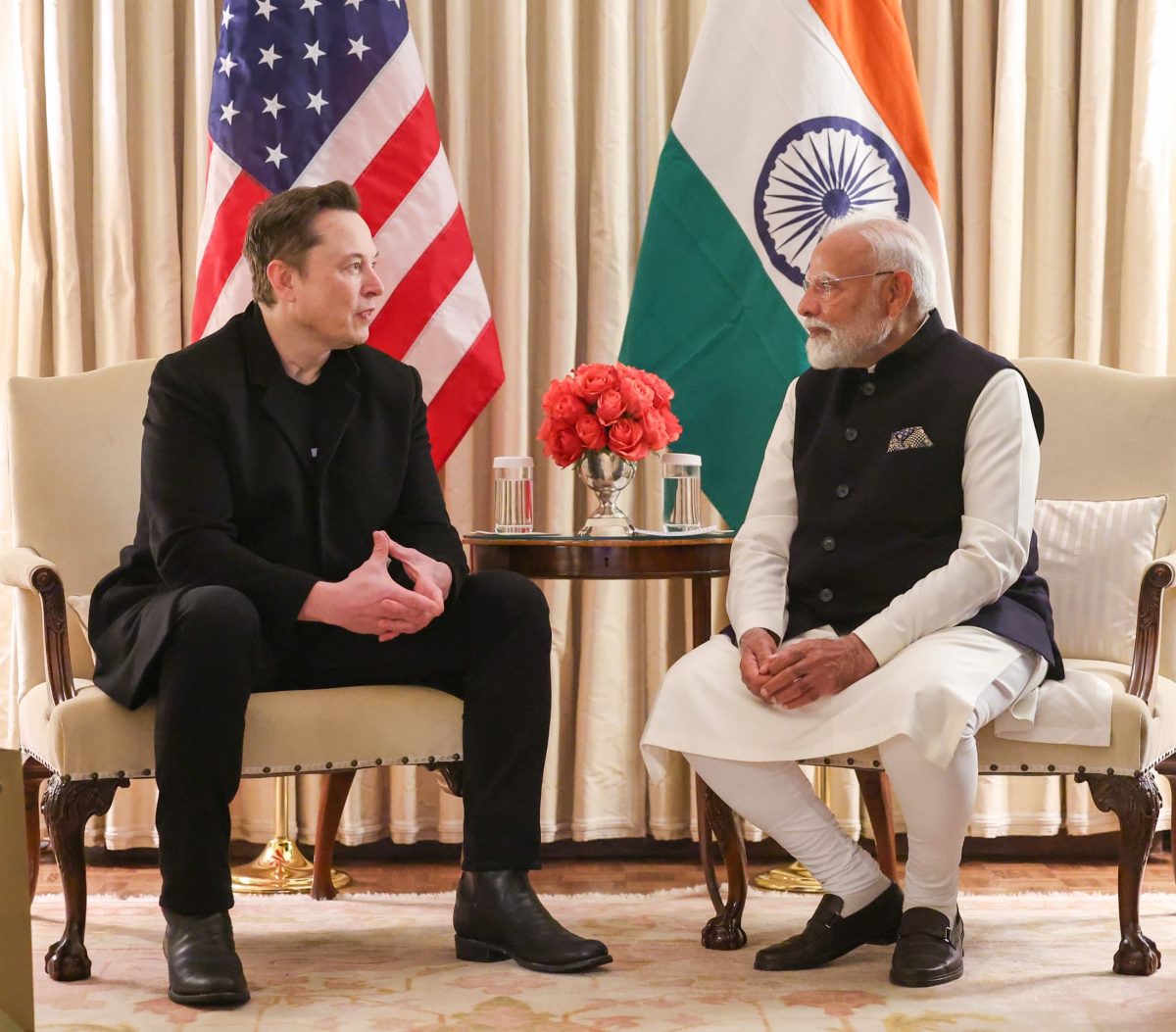
Elon Musk accused Indian billionaire Mukesh Ambani of obstructing Starlink's entry into India, asking on X whether Ambani is "the real boss of India" as the satellite internet service's commercial launch remains stalled by licensing disputes.
Ambani's Reliance Jio, India's largest telecom operator, and rival Bharti Airtel together control about 80% of the country's telecom and internet market. Both companies have opposed the administrative allocation of satellite spectrum that Starlink and other foreign providers are seeking, arguing the airwaves should be auctioned instead.
The standoff matters because India has roughly 900 million internet users, but hundreds of millions more remain offline, particularly in rural areas where fiber and tower infrastructure is sparse. Starlink has said satellite broadband could reach those customers faster than terrestrial buildout — but only if it can secure spectrum and operating licenses on terms it considers viable.
Musk's comments followed a public exchange in which he responded to a post about Ambani's political influence. The SpaceX CEO has repeatedly criticized India's regulatory process for satellite communications, which requires providers to obtain a Global Mobile Personal Communication by Satellite license from the Department of Telecommunications.
Starlink received approval for its GMPCS license in 2024 but has not yet been granted commercial spectrum. India's telecom regulator, TRAI, opened a consultation on satellite spectrum pricing in 2023 and has yet to issue final recommendations, leaving Starlink and competitors like Amazon's Project Kuiper in limbo.
Jio has pushed back on Musk's characterization. Reliance has argued that satellite spectrum is a public resource that should be assigned through competitive auction, the same method used for terrestrial mobile airwaves. Ambani's company has also partnered with Luxembourg-based SES to offer its own satellite broadband service, positioning it as a domestic alternative to Starlink.
Airtel, controlled by Sunil Mittal, struck a distribution deal with Eutelsat OneWeb in 2022 and has similarly advocated for auction-based allocation. The two Indian carriers' combined opposition gives them significant leverage over regulators, given their role in a market that generated roughly $25 billion in revenue last year.
Musk's India ambitions extend beyond Starlink. Tesla has been negotiating with Indian officials over import duties and a potential manufacturing plant, and Musk had been expected to visit India in 2024 before canceling the trip. His public clash with Ambani adds a personal dimension to what had been a procedural regulatory dispute.
Starlink operates in more than 100 countries and had crossed 5 million subscribers globally as of 2024. India's satellite internet market is projected to reach $1.9 billion by 2030, according to industry estimates, a figure that explains the intensity of the fight over how spectrum is assigned.