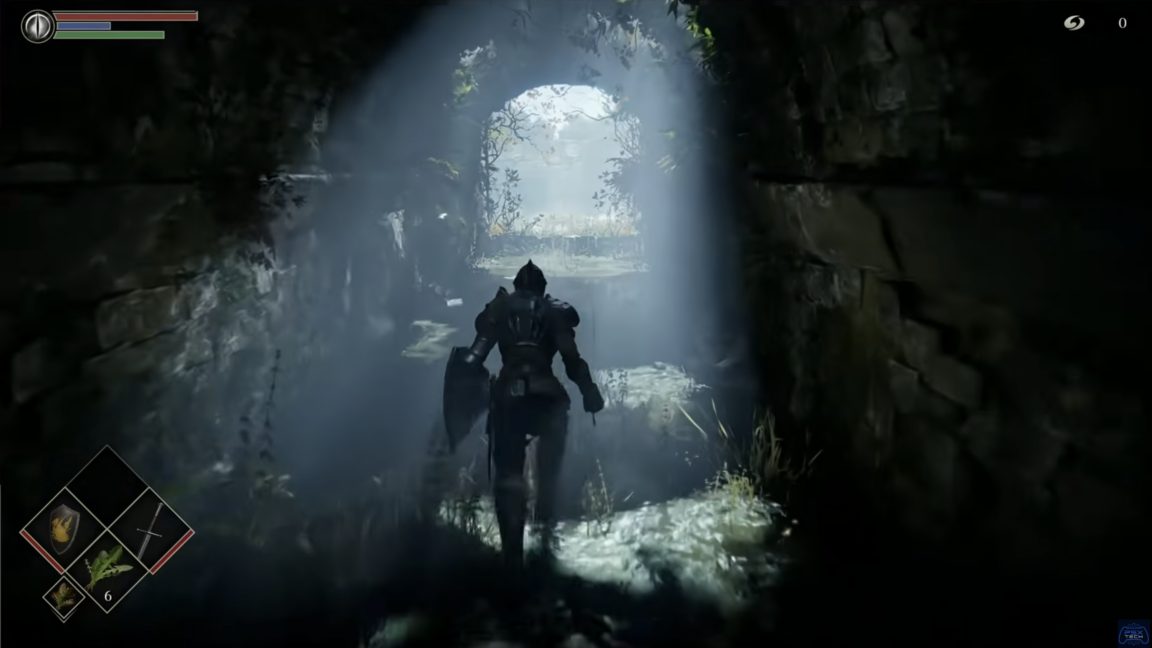
A PlayStation 5 emulator for PC has begun loading and executing real commercial games, with at least one title running at a fully playable 60 frames per second, according to the project's developers. The milestone marks the first time software has partially replicated the console's custom hardware on standard desktop computers.
The emulator, still described by its team as being in a "very early alpha stage," can "load the eboot.bin of real games, execute native CPU instructions, and partially handle GPU-related functionality," the developers said. The eboot.bin file is the executable format Sony uses for PlayStation 5 game packages, meaning the software is now reading actual retail code rather than synthetic test programs.
That combination — parsing a commercial game's executable, running its CPU instructions natively, and offloading some graphics work — is the threshold that separates a proof-of-concept from a functional emulator. Reaching 60 fps in any title at this stage is unusual; most emulation projects spend their first year or more booting to a menu screen.
The PlayStation 5 launched in November 2020 and has sold more than 75 million units worldwide, according to Sony's quarterly earnings. Its architecture pairs an eight-core AMD Zen 2 CPU with a custom RDNA 2 GPU and a high-speed solid-state drive, hardware that is well-documented in PC components but difficult to emulate because of proprietary firmware and memory behavior.
Emulation of Sony consoles has a long track record. RPCS3, the PlayStation 3 emulator, took roughly a decade to move from basic booting to running most of the console's library, and it still requires a powerful PC for demanding titles. PCSX2 for the PlayStation 2 is now mature enough to run on mid-range laptops. The PlayStation 4 emulator scene, by contrast, remains far less developed, which makes early progress on PS5 software notable.
Legal exposure is a persistent question for console emulators. Courts have generally held that emulation itself is lawful, but distributing copyrighted firmware or game files is not. The developers' statement that the software loads eboot.bin files suggests users must supply their own game data.
No release date, public build, or compatibility list has been announced. The team has not said which game achieved 60 fps, how many titles boot successfully, or what hardware is required to run the emulator. Those details will determine whether the project becomes a practical tool for PC players or remains a technical demonstration.
For now, the alpha label means users should expect crashes, missing graphics, and games that fail to launch at all. The gap between booting one game and running a library reliably is where most emulation projects stall.