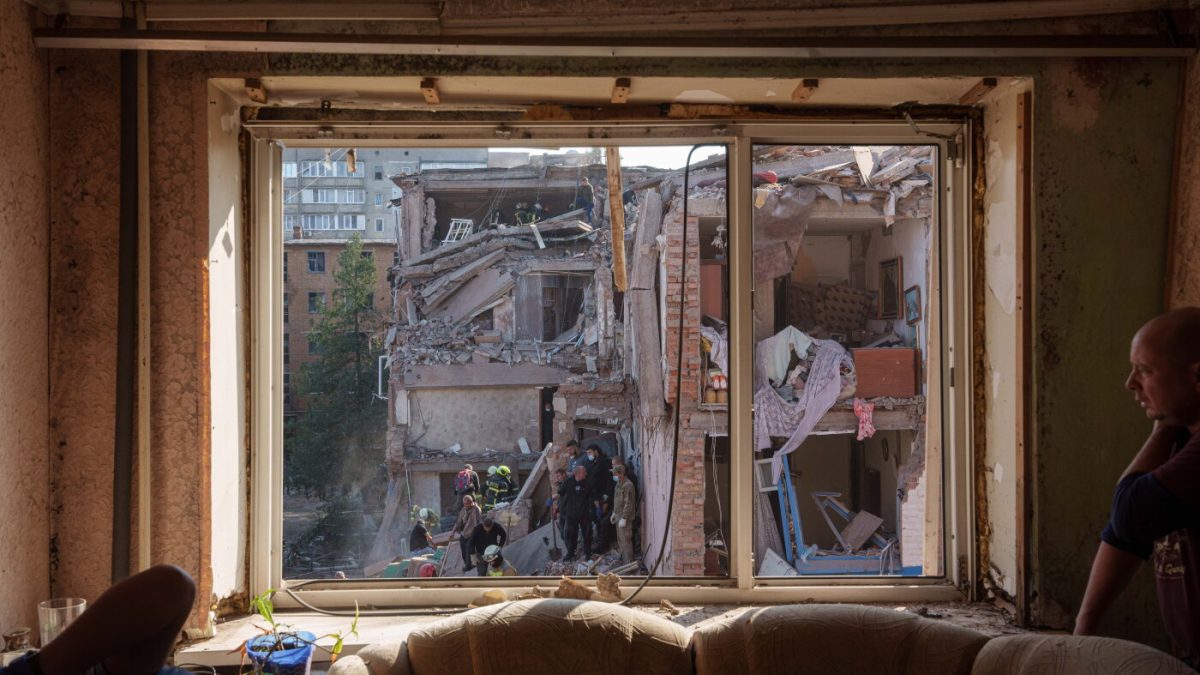
Russian strikes on public buses in Ukraine killed 30 people, Ukrainian officials said, as rolling blackouts in Kyiv deepened and left large parts of the capital without electricity.
The attacks hit civilian transport, not military targets, according to Ukrainian authorities, who said the death toll was drawn from strikes on bus routes in multiple locations. Emergency crews worked through damaged vehicles to recover the dead and treat the wounded.
The strikes come as Russia has intensified its campaign against Ukraine's power grid, knocking generating capacity offline and forcing Kyiv to ration electricity. Residents in several districts of the capital reported outages lasting through the day and into the night.
Ukraine's air defenses have struggled to intercept the volume of missiles and drones launched in recent waves, and Western officials have warned that Moscow is stockpiling weapons for a sustained winter campaign aimed at civilian infrastructure. Utility crews have been working around the clock to restore service, but officials say repeated strikes make repairs temporary.
Public buses are a primary means of transport for millions of Ukrainians, particularly in cities where fuel shortages and damage to rail lines have made private travel unreliable. Striking bus routes forces commuters to choose between crowded shelters, walking long distances, or staying home.
The deadliest attacks on Ukraine's infrastructure have drawn international condemnation, though the response from allies has centered on air-defense deliveries rather than direct intervention. U.S. and European officials have pledged additional systems, but delivery timelines have lagged behind the pace of Russian strikes.
Ukrainian President Volodymyr Zelensky has repeatedly called for faster shipments of air-defense interceptors, arguing that delays cost civilian lives. He has also pressed allies to allow long-range strikes on launch sites inside Russia, a request that has drawn cautious responses from Washington and European capitals wary of escalation.
The blackouts in Kyiv follow a pattern seen in previous winters, when Russia targeted substations and heating plants to pressure the population during the coldest months. Temperatures in the capital have begun dropping, and officials warned that power cuts could affect heating and water service if strikes continue.
Casualty figures from the bus strikes could rise as rescue operations continue, local officials said. Hospitals in the affected areas have been placed on emergency footing, and authorities have urged residents to limit travel and keep phones charged.
The United Nations has documented thousands of civilian deaths since Russia's full-scale invasion began in February 2022, with infrastructure strikes accounting for a growing share of casualties in recent months. Moscow has denied targeting civilians, a claim Ukrainian and Western officials reject.