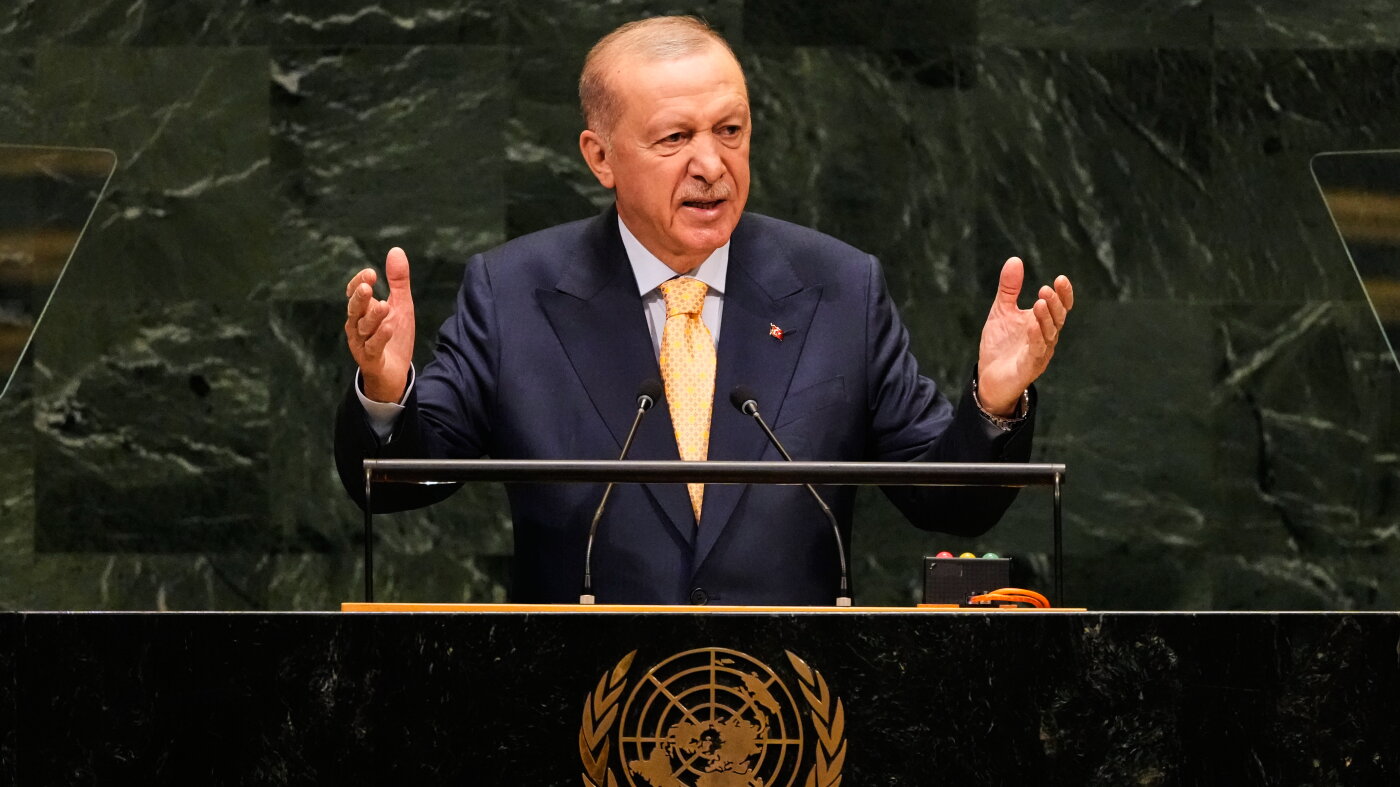
Turkey is moving aggressively to expand its influence across the Middle East as the United States reduces its military presence in the region, according to an NPR report.
The shift marks a significant realignment in a region Washington has dominated militarily for decades. Turkish officials have signaled they intend to fill the space left behind, deepening ties with governments from Syria to the Gulf states.
Turkey's push comes as the Pentagon draws down troops and repositions assets away from the Middle East toward other priorities. That pullback has created openings Ankara is eager to exploit.
"The United States is no longer the only game in town," a regional analyst told NPR, describing Turkey as one of several powers racing to shape the region's future.
Turkey's geographic position gives it a natural advantage. It borders Syria, Iraq and Iran, controls the critical Bosphorus Strait and maintains the second-largest military in NATO.
Ankara has already deepened its footprint in Syria, where Turkish-backed forces control large swaths of territory along the border. It has also strengthened diplomatic and economic ties with Gulf states including Qatar and the United Arab Emirates.
The strategy carries risks. Turkey's relations with Israel remain strained, and its ties to Russia complicate its standing within NATO. Any misstep could draw Ankara into regional conflicts it has spent years trying to manage from a distance.
American officials have not publicly objected to Turkey's expanded role. Some analysts see it as a pragmatic outcome: a NATO ally stepping in where Washington no longer wants to commit resources.
Others warn that ceding influence to Ankara could backfire. Turkey has its own agenda, and its interests do not always align with those of the United States or its partners in the region.
The broader question is what happens to American credibility. Allies in the Gulf and elsewhere have relied on US security guarantees for generations. A smaller footprint may push them to seek new arrangements, with Turkey or other regional powers.
For now, Turkey appears ready to act. Its leaders have made clear they see the moment as an opportunity to reshape the region's balance of power in their favor.