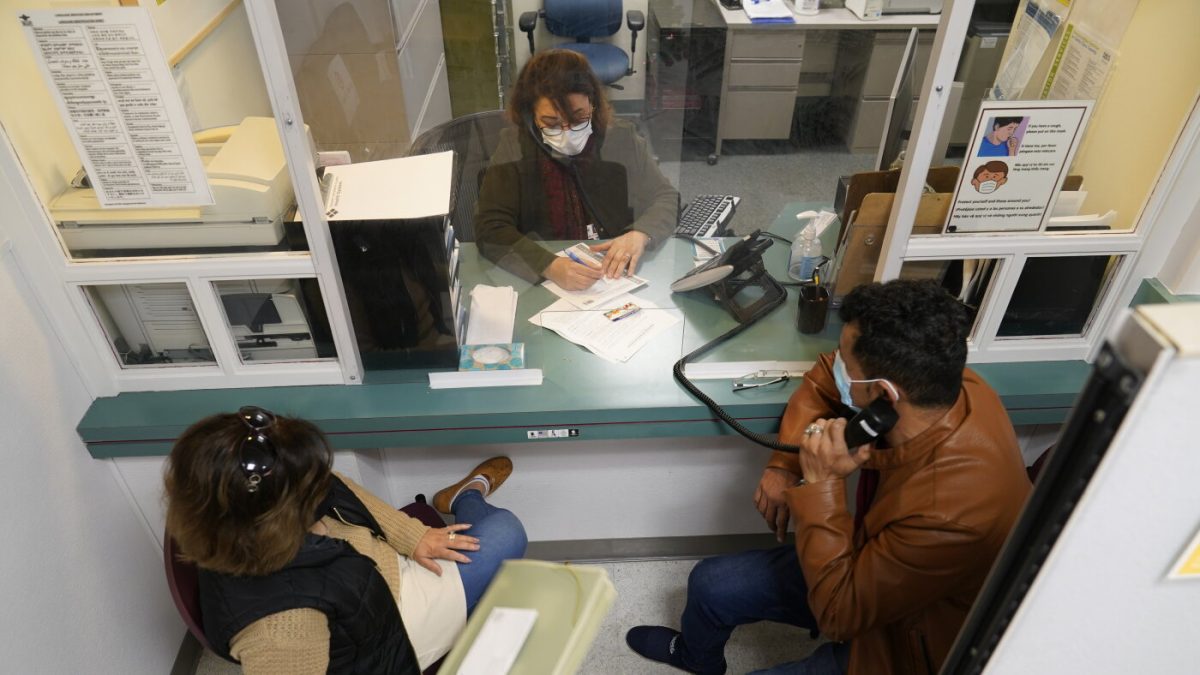
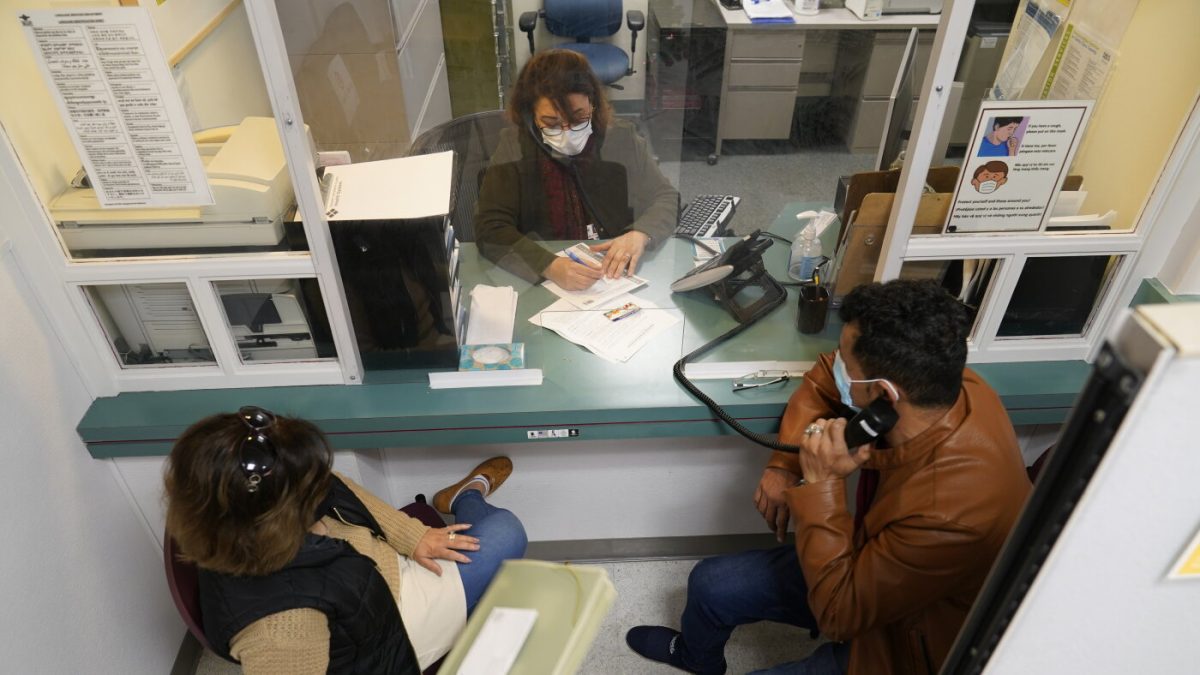
A woman who accused several men of raping her at Cornell University in 2024 told a campus doctor about the alleged assault two days later and was turned away without proper care, her attorney said, accusing the university's health system of failing her.
The woman, identified in court filings as Jane Doe, said she reported the assault to a Cornell physician during that visit but was not given the treatment or support the situation required. Her lawyer, Thomas Giuffra, called the doctor's response "yet another" failure in a pattern of institutional neglect, according to a statement he provided to the BBC.
The allegation adds to a growing set of complaints about how Cornell handles sexual assault reports, and it raises questions about whether campus health providers are equipped to respond when a student discloses an attack. Under federal Title IX rules, universities that receive federal funding are required to respond to reports of sexual violence and connect students with medical and legal resources.
Giuffra's statement did not detail what the doctor said or did during the visit, and Cornell has not publicly responded to the specific claim. The university has previously said it takes sexual assault reports seriously and follows Title IX procedures, though critics argue those procedures often leave survivors without timely help.
Jane Doe's case is one of several involving the same group of men at Cornell, according to court filings. The accused men have not been publicly named, and it is not clear whether criminal charges have been filed. Cornell's campus in Ithaca, New York, enrolls roughly 26,000 students across its undergraduate and graduate programs.
Advocates for sexual assault survivors say campus health centers are often the first point of contact for students after an attack, making the quality of that response critical. A 2023 report from the American College Health Association found that fewer than half of student health centers have staff trained specifically in trauma-informed care for sexual violence.
The case against Cornell's health system echoes complaints raised at other universities, where survivors have said campus clinics discouraged them from reporting or failed to offer forensic exams and emergency contraception. Those failures can jeopardize both a survivor's health and any future legal case, since evidence collection is time-sensitive.
Giuffra did not say whether Jane Doe plans to sue the university over the doctor's response. Cornell has not commented on the pending allegations beyond its general statement on Title IX compliance.