A growing number of women are taking prescription weight loss drugs without telling their husbands or partners, according to family and obesity medicine physician Kia Mitchell, MD, who said she regularly sees patients in her Jacksonville, Florida, practice who conceal their GLP-1 use at home.
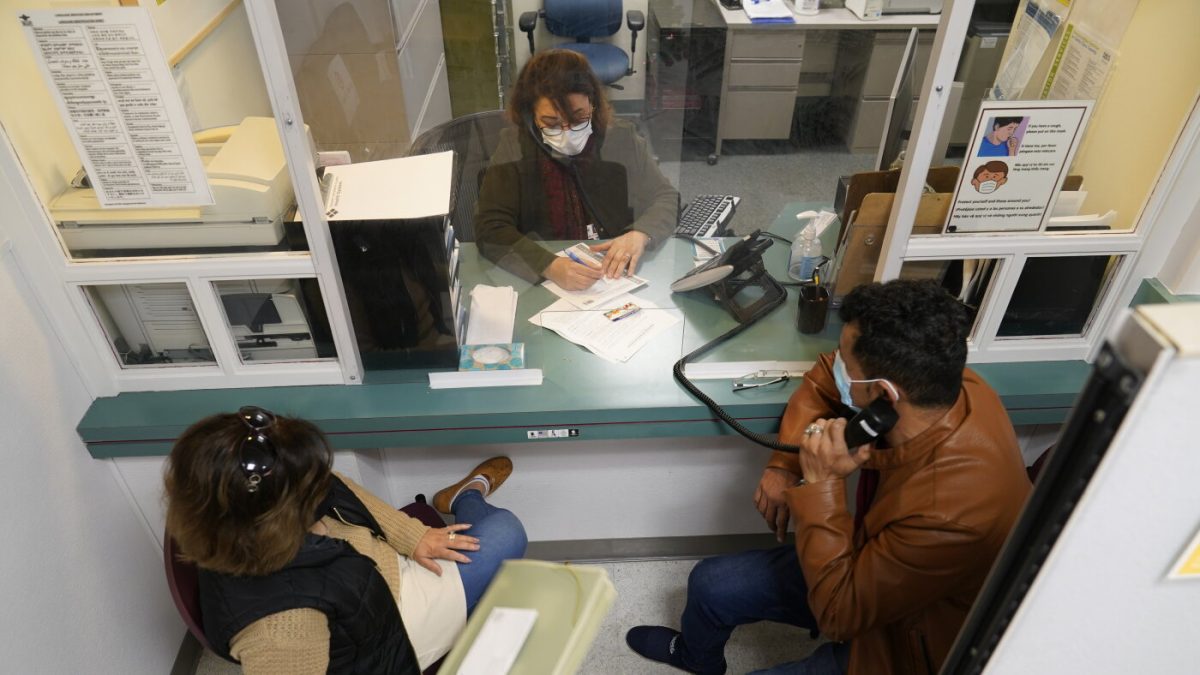
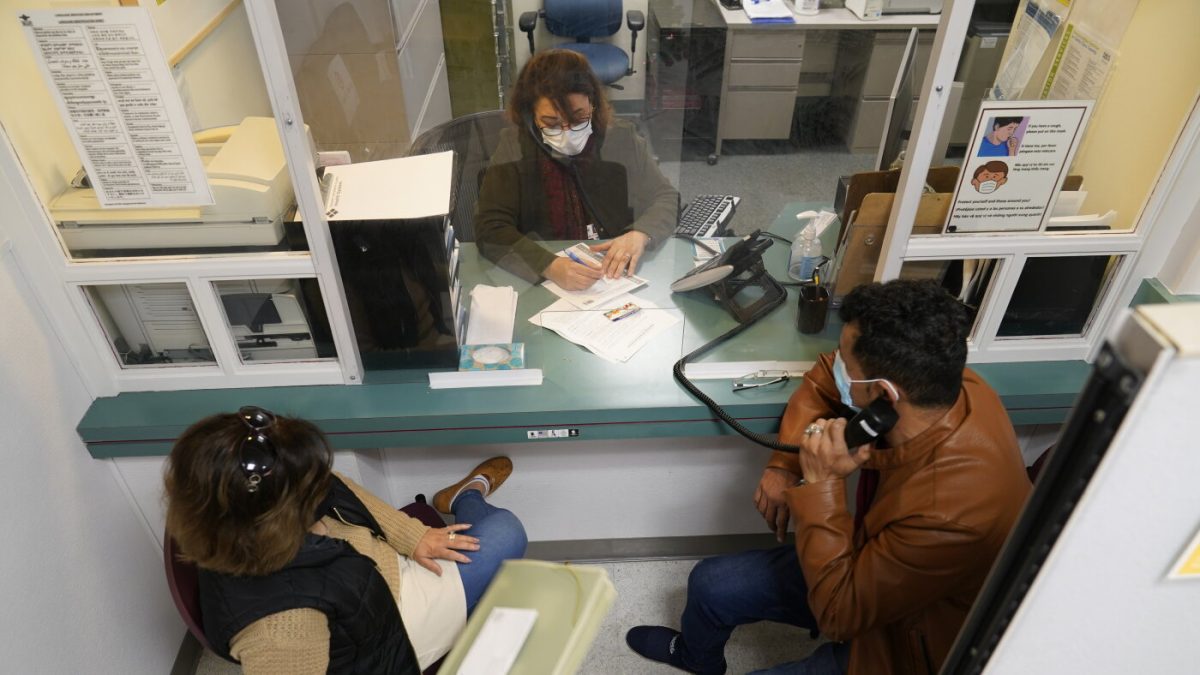
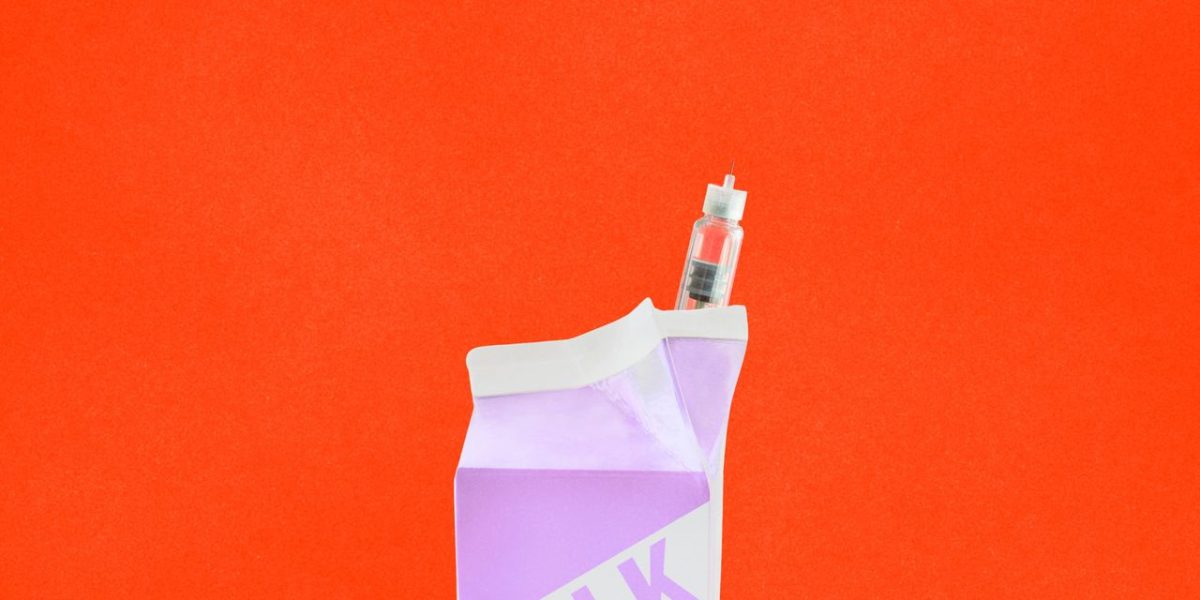
The medications — including Ozempic, Wegovy, and Zepbound — are injected weekly and can cost upward of $1,000 per month without insurance, making them difficult to hide financially as well as physically. Women who spoke with SELF described keeping the injections in locked drawers, scheduling doses around their partner's absence, and paying out of pocket to avoid insurance paperwork that might reveal the prescription.
"If my husband found out, it would just be a series of lectures," one woman told the magazine. Another said she had "tried every way under the sun to lose weight" before starting the medication and chose not to disclose it.
Mitchell said she has mixed feelings about the secrecy. Patients pursuing any health goal benefit from having what she called a network that is genuinely cheering for them — a support system that secrecy by definition excludes. But she also acknowledged the pattern is "a real thing" in her clinical experience, not an isolated handful of cases.
The concealment carries medical risks beyond relationship strain. Because GLP-1 drugs can slow gastric emptying and affect how the body absorbs oral medications, including birth control pills, patients who hide their prescriptions may not get accurate counseling about contraception. It becomes easier to get pregnant while on the drugs — a fact a partner who doesn't know about the medication can't factor into family planning decisions.
Roughly 12 percent of American adults report having used a GLP-1 medication, according to a 2024 KFF survey, and women make up the majority of users. The drugs were originally approved for type 2 diabetes before expanding into obesity treatment, and their rapid adoption has outpaced cultural norms about discussing weight, body image, and medical intervention with a spouse.
Mitchell said the decision to disclose rests with the patient, but she encourages women to consider who in their life will support the process rather than undermine it. The women who hide their use, she said, are often responding to a specific dynamic at home — a partner who comments on their body, questions their medical choices, or treats weight as a matter of willpower rather than biology.
One patient described her starting point as a "healthy original weight" she had never been able to return to through diet and exercise alone. She started the injections, told no one, and kept the pens where her husband wouldn't look.