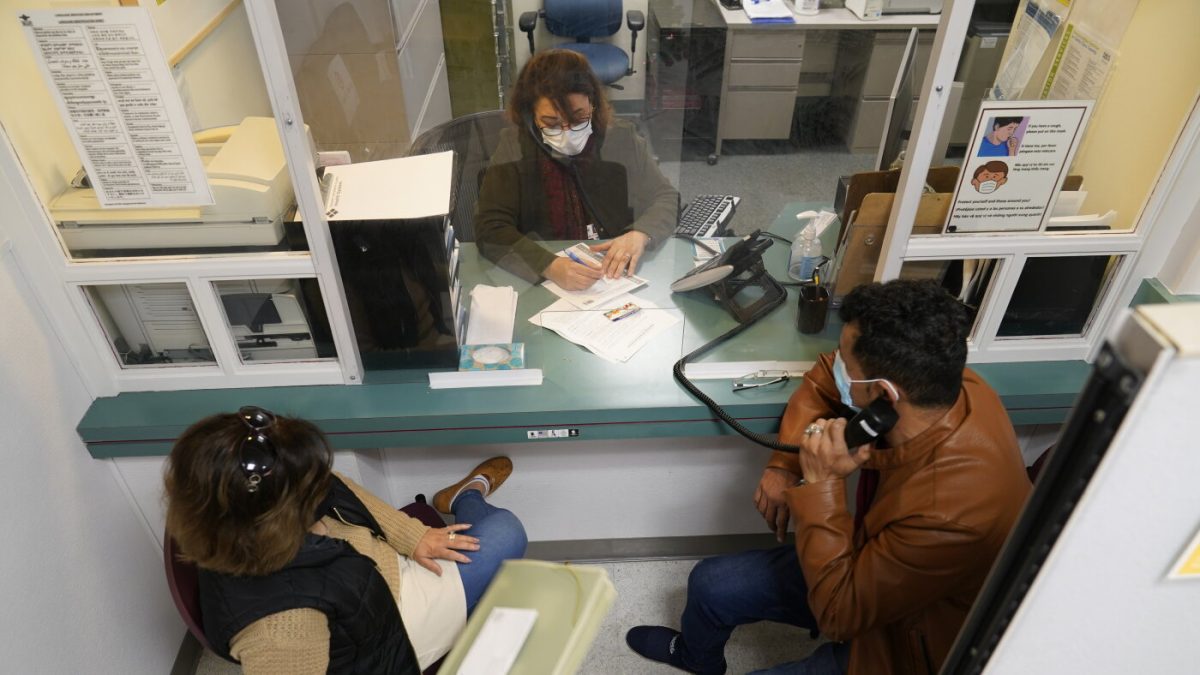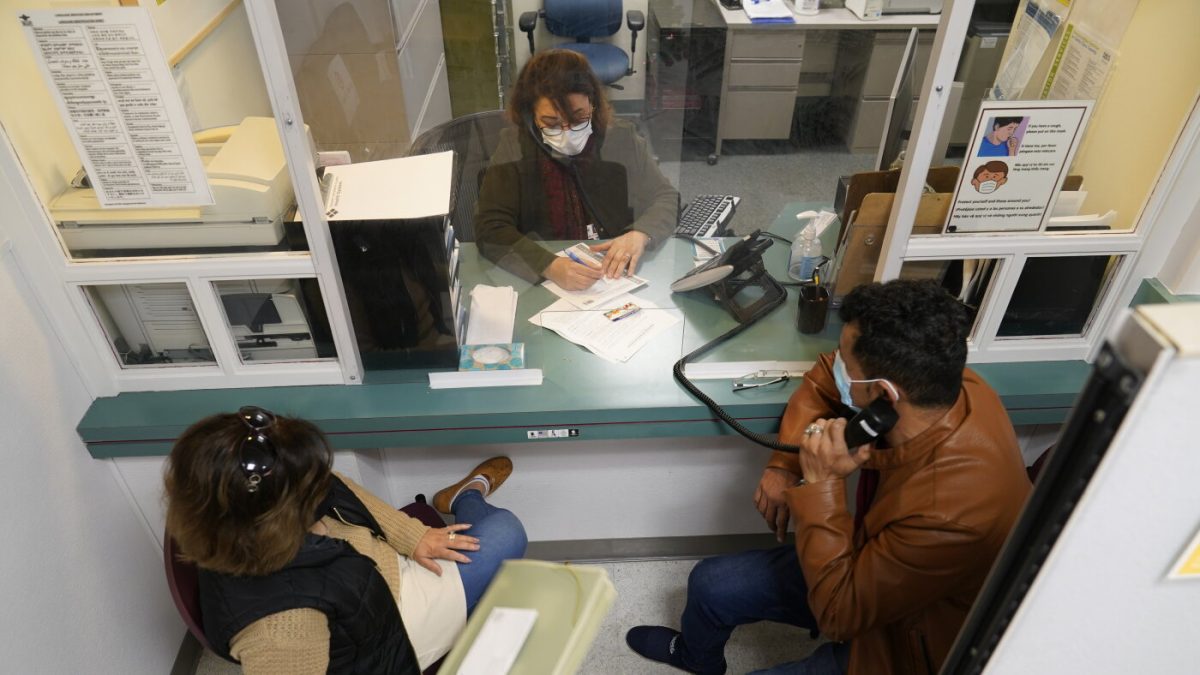
A former refugee who now teaches at a major American university is calling President Trump's new Medicaid work requirements "a nightmare," warning that the policy could strip health coverage from roughly 1.4 million low-income adults who cannot document steady employment.
The policy, which took effect this year through a combination of executive action and state waivers, requires most non-disabled Medicaid enrollees to log at least 80 hours of work, job training, or community service each month to keep their coverage. States that adopt the rule must verify compliance every 30 days, and enrollees who miss the reporting deadline lose benefits until they reapply and requalify.
The professor, who fled persecution in Southeast Asia as a child and spent years on public assistance before earning a doctorate, said the paperwork burden falls hardest on people who are already working informal or seasonal jobs that don't generate pay stubs. "It's not that they don't want to work," the professor said. "It's that the system is built to catch them failing, not to help them succeed."
Federal data from the Department of Health and Human Services shows about 82 million people were enrolled in Medicaid as of early 2025, making it the largest health insurer in the country. Roughly 70% of non-elderly adult enrollees already work or live in a household with someone who does, according to a 2023 study in the journal Health Affairs.
Arkansas ran a similar work requirement program in 2018 and lost nearly 18,000 enrollees in seven months, most of whom were later found to be eligible but failed to report their hours online. A federal judge struck down that program in 2019, ruling that the Department of Health and Human Services had not considered how the rule would affect coverage. The Supreme Court declined to hear the appeal in 2021, leaving the issue open for states to revisit.
Since then, 13 states have received federal approval to impose work requirements, according to the Centers for Medicare & Medicaid Services. Georgia, which launched its own program in 2023, has enrolled fewer than 6,000 people out of an estimated 240,000 eligible residents in its first 18 months.
Hospitals and community health centers in states with the strictest rules report rising rates of uncompensated care. The American Hospital Association warned in a March letter to Congress that tying Medicaid to employment verification shifts costs to emergency rooms and raises premiums for privately insured patients.
The professor said the debate misses a basic point about who receives Medicaid. "Every one of us is one diagnosis, one layoff, one bad year away from needing this," the professor said. "That's not a nightmare. That's reality."