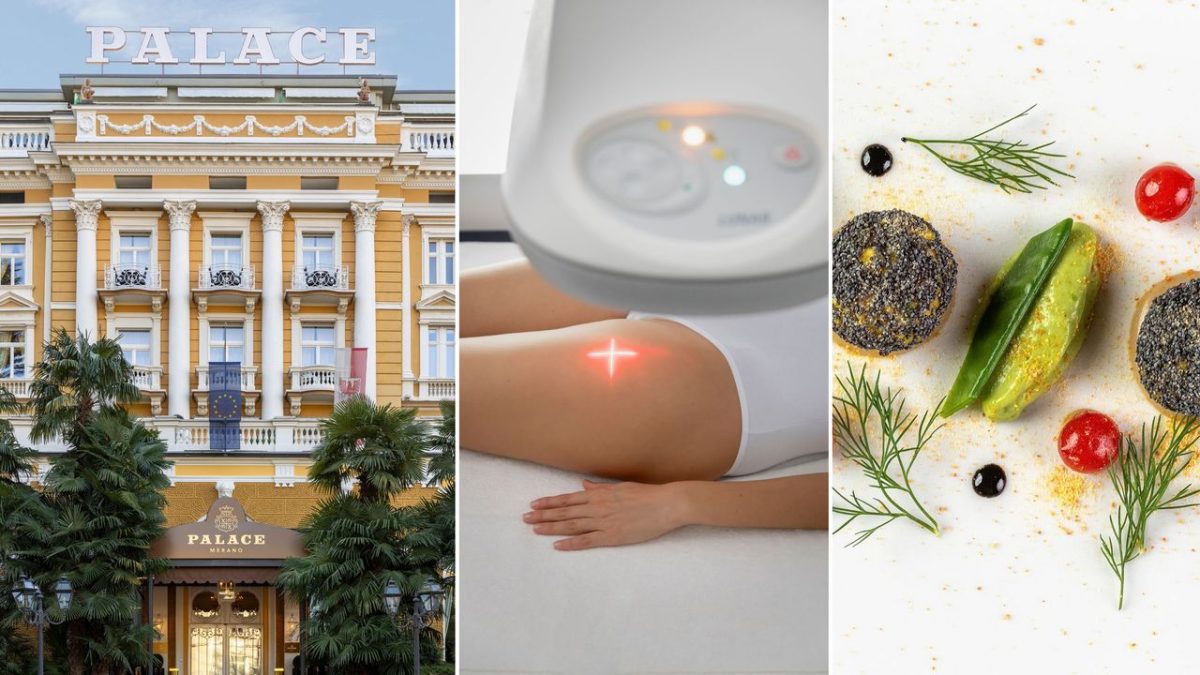
Palace Merano, a luxury hotel in the Italian Alps, requires every arriving guest to complete a medical consultation with in-house staff before beginning its signature Revital Method detox program, making physician oversight the entry point to a stay that has drawn a growing number of travelers seeking supervised fasting and cleansing regimens.
Dr. Sabrina Ebner, a member of the Palace's medical team, conducts the initial assessments, walking guests through their health history and the protocol that will govern their stay. The requirement applies to all guests participating in the program, not just those who request medical attention.
The Revital Method is the property's house detox protocol, combining dietary restriction with spa treatments and clinical monitoring. It sits within a wellness travel market that has expanded sharply over the past decade, as resorts reposition themselves around health outcomes rather than amenities alone.
Traditional destination spas built their reputations on massages, pools and quiet grounds. Properties like Palace Merano have added blood panels, physician consultations and structured elimination diets to the menu, charging premium rates for programs that resemble clinical retreats more than vacations.
The appeal for travelers is partly psychological: a supervised program removes the burden of self-discipline. Guests surrender food choices to a medical team for a set number of days, a structure that proponents say produces results a self-guided cleanse cannot.
Medical oversight also addresses a persistent criticism of the detox industry. Unsupervised fasts and extreme cleanses can cause electrolyte imbalances, dehydration and, in rare cases, dangerous drops in blood sugar. Having a doctor on staff to screen guests and monitor them during the program reduces those risks, though it does not eliminate them.
The broader wellness tourism sector has grown into a multibillion-dollar global market, with Europe's alpine resorts competing against destinations in Southeast Asia and Central America for the same affluent clientele. Palace Merano's positioning leans on its medical staff and its location in northern Italy, near the Austrian border.
Guests typically arrive for stays measured in days rather than weeks, with the first appointment scheduled before any treatment begins. That sequencing — consultation first, protocol second — is the operational detail that separates the Revital Method from spa packages that let visitors choose treatments à la carte.
Whether the model spreads depends on staffing. Physicians and nurses are expensive to keep on property year-round, and most resorts lack the clinical infrastructure to replicate it. For now, the doctor-first approach remains a niche within the luxury travel market rather than its standard.