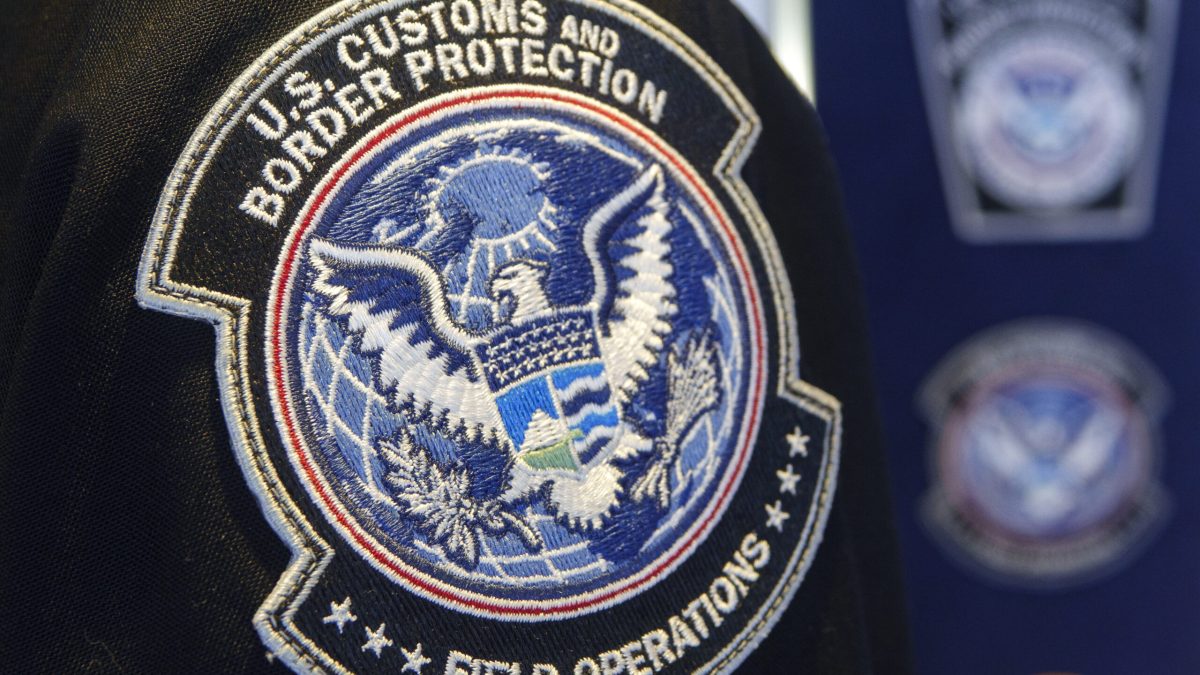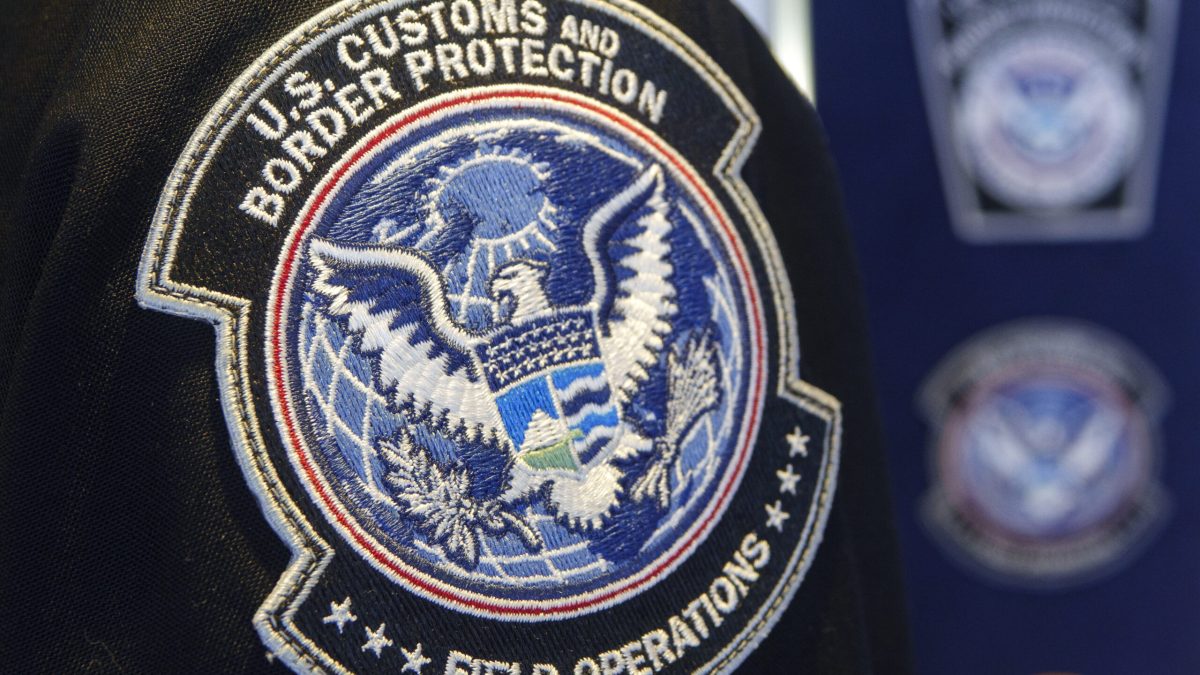
US Customs and Border Protection (CBP) agents can legally demand that American citizens unlock their smartphones and laptops when returning from international travel, a power that does not require a judge's warrant. This authority applies to the roughly 370 million travelers who enter the United States each year, according to agency data, and it has become a flashpoint for civil liberties advocates who argue it violates the Fourth Amendment.
The searches are conducted under the legal framework that treats the border as a "constitution-free zone," where the government's interest in protecting national security outweighs the typical requirement for probable cause. CBP reported conducting 41,000 device searches in fiscal year 2024, a significant increase from the 8,500 searches conducted in 2015. While the agency claims most searches are "basic" and involve scrolling through photos or messages, it also conducts "advanced" searches that copy the entire contents of a device using forensic software.
For travelers, the practical consequence is a stark choice: comply with the demand to unlock a device or face detention, confiscation of the phone, or denial of entry. In one case documented by the American Civil Liberties Union (ACLU), a US citizen named Kennedy was returning to Florida from a trip abroad when a CBP agent demanded his phone. "I felt like I had no choice, so I handed my phone to the CBP agent," Kennedy said. He added that the agent "threatened me, saying that if I didn't give him my phone, my interrogation was going to take much longer."
Kennedy believes the search was not random. "I believe CBP flagged me because of my organizing and political work around immigrants' rights in Florida," he said. The ACLU has documented similar cases where political activists, journalists, and lawyers have had their devices searched upon reentry to the United States, raising concerns that the border search exception is being used to surveil constitutionally protected activity.
Under current CBP policy, agents may not demand passwords or PINs from US citizens without a warrant in some jurisdictions, but the agency's own directives allow them to detain a device for further inspection if a traveler refuses to unlock it. A device can be held for up to five days, though in practice, travelers report waits of several weeks or longer to get their phones back. In 2019, a federal court ruled that suspicionless forensic searches of devices at the border are unconstitutional, but the decision applies only to the Northern District of California and has not been universally enforced.
Travelers who refuse to unlock their devices can be denied entry if they are not US citizens, and even citizens can face hours of secondary screening. The Electronic Frontier Foundation recommends that travelers power down their devices before reaching the border, use strong passcodes rather than biometric unlocks, and be aware that refusing to comply may result in the device being seized. CBP maintains that all travelers are subject to inspection and that device searches are "an important tool" for detecting illegal activity, including child exploitation and terrorism-related materials.