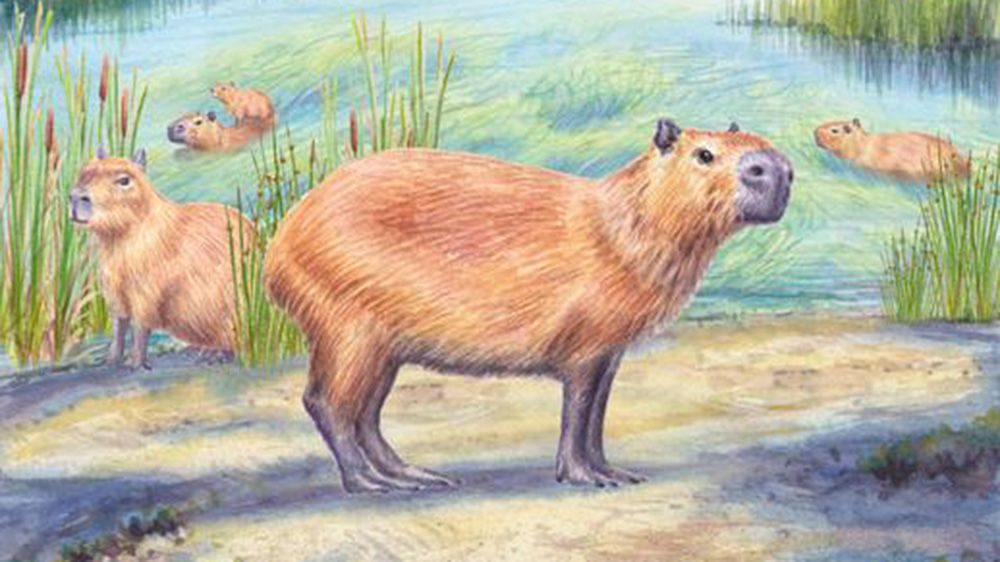
Paleontologists have discovered a 9-million-year-old fossilized tooth belonging to an ancient capybara relative in Chile's Atacama Desert, a finding that researchers are calling "freakish" and that provides direct evidence the world's driest region once supported grasslands, rivers, and large plant-eating mammals.
The tooth, identified as belonging to a rodent closely related to modern capybaras, was recovered from sediment layers in the Atacama's hyperarid core. The fossil dates to the Late Miocene epoch, roughly 9 million years ago, when global temperatures were significantly warmer than today and atmospheric carbon dioxide levels exceeded 400 parts per million.
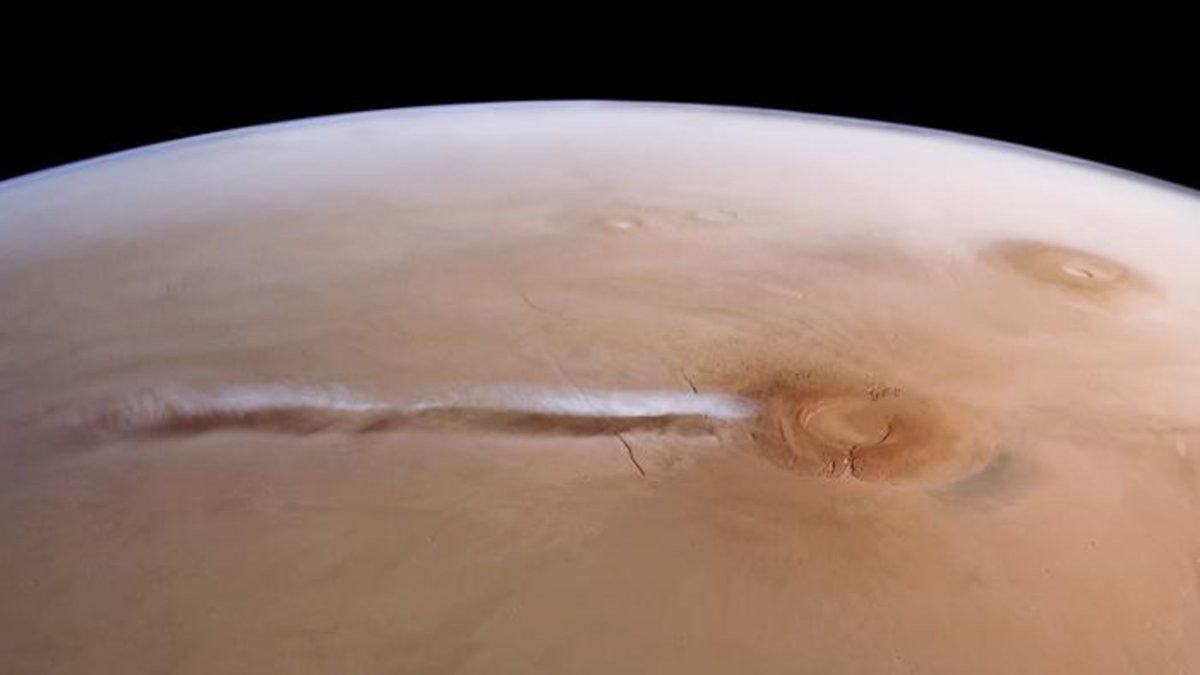
The discovery supports a growing body of geological and paleontological evidence that the Atacama—now a 600-mile stretch of Mars-like terrain where some weather stations have never recorded rainfall—was a substantially wetter environment during the Miocene. Capybaras are semi-aquatic rodents that require standing water and abundant vegetation to survive, making their presence in the region impossible under current conditions.
The Atacama Desert today receives less than 1 millimeter of rain annually in its central regions. Ancient capybara relatives—which included several extinct species larger than their modern South American descendants—lived across much of the continent when the climate was warmer and wetter. The modern capybara, the world's largest living rodent, can weigh up to 150 pounds and is found throughout the Amazon basin and other tropical regions of South America.
Researchers have long debated when the Atacama transitioned from a habitable to its current hyperarid state. The leading hypothesis points to a combination of factors: the uplift of the Andes Mountains, which created a rain shadow blocking moisture from the east; the strengthening of the Humboldt Current off Chile's Pacific coast, which cools air and suppresses rainfall; and global cooling during the Pliocene epoch, roughly 5 to 2.5 million years ago.
The fossil tooth adds direct biological evidence to the geological record. Previous studies have identified ancient riverbeds and lake deposits beneath the desert surface, but fossilized remains of water-dependent animals provide a more concrete picture of the ecosystem that once existed there.
Similar capybara fossils have been found in Argentina, Brazil, and Colombia, but their presence in northern Chile is rare and significant. The Atacama's extreme preservation conditions—aridity prevents decay and erosion—have made it a productive site for fossils when researchers can locate them, though the harsh environment makes fieldwork difficult.
The finding adds to concerns about how modern climate change could reshape arid regions. As global temperatures rise and precipitation patterns shift, scientists studying the Miocene climate are examining how quickly ecosystems can transform when rainfall and temperature thresholds are crossed. The Atacama's transition from grassland to desert occurred over millions of years, but the fossil record suggests the change was irreversible once the region's moisture sources were cut off.
The research team's findings have been submitted for peer review. The tooth will be housed in a Chilean paleontological collection.