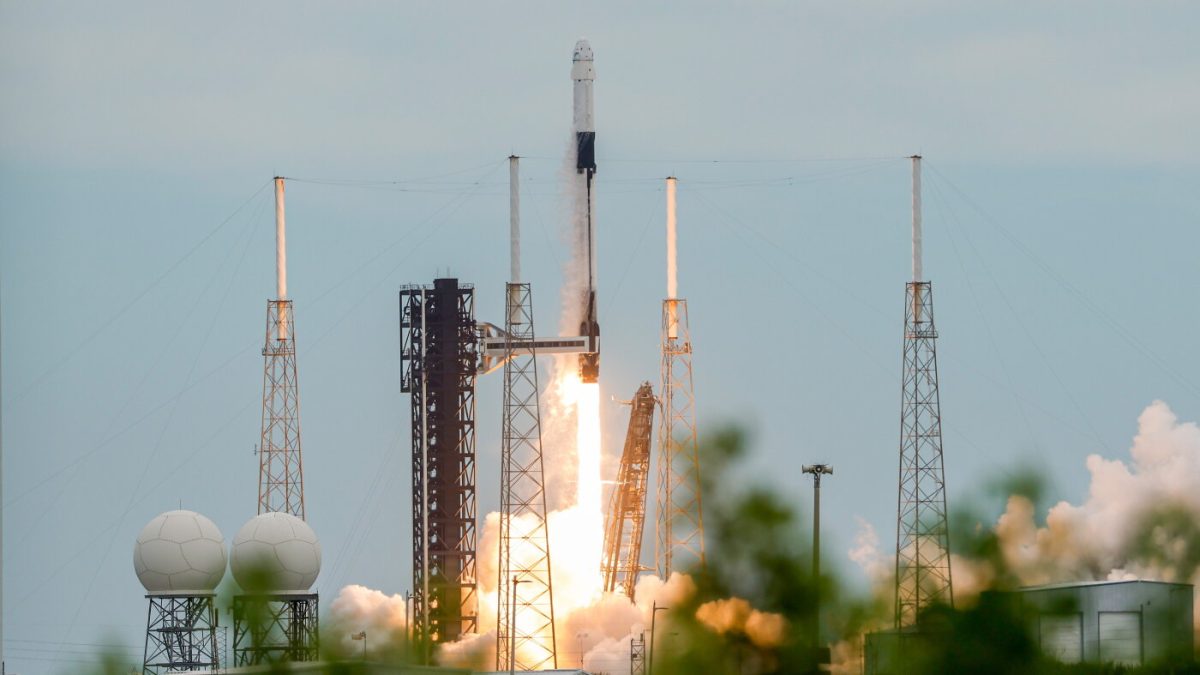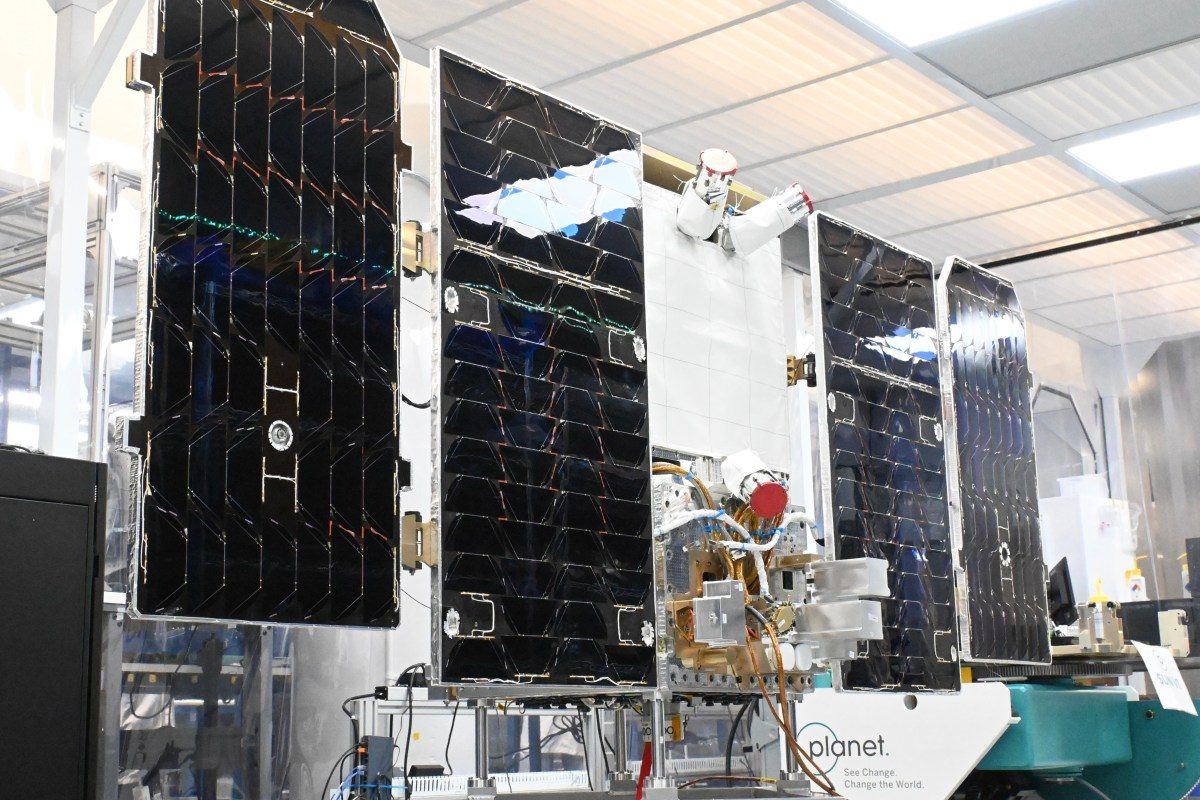
Google researchers have calculated that SpaceX would need to launch its Starship rocket approximately 1,800 times to deploy enough satellites for a functional orbital data center network, according to a TechCrunch report. The figure, derived from Google's own internal modeling, suggests that space-based computing infrastructure remains far from commercially viable despite recent advances in reusable rocket technology.
The calculation the enormous logistical gap between current launch capabilities and what would be required to operate data centers in orbit. SpaceX has conducted fewer than 10 Starship test flights to date, meaning the company would need to increase its launch cadence by several orders of magnitude to reach Google's threshold.
Orbital data centers have attracted interest from technology companies because they could theoretically tap into continuous solar power and avoid the land and cooling costs of terrestrial facilities. However, the 1,800-launch estimate implies that the carbon emissions, manufacturing demands, and financial costs of such a deployment would be substantial.
Google's research did not specify a timeline for the 1,800 launches or estimate the total cost. At SpaceX's current internal target of roughly $10 million per Starship launch, the deployment would represent an $18 billion investment in launch costs alone, excluding satellite manufacturing and ground infrastructure.
SpaceX CEO Elon Musk has said Starship is designed for rapid reuse, with the goal of eventually conducting multiple launches per day. The company has stated that full reusability is essential to reducing costs enough to make Mars colonization and other large-scale space projects feasible.
Google has invested in space-based computing research through its parent company Alphabet, which operates the Google Cloud platform. The company has not announced plans to build orbital data centers itself.
The 1,800-launch figure also highlights the gap between current global launch rates and what would be needed for space-based infrastructure at scale. In 2023, space agencies and private companies conducted a record 223 orbital launches worldwide, according to data from the space tracking organization Jonathan McDowell. Reaching 1,800 Starship launches would require more than eight times that global total from a single vehicle.
Other companies exploring orbital computing include Microsoft, which has tested underwater data centers as an alternative approach to reducing cooling costs. Neither Microsoft nor Amazon has announced plans for space-based server farms.
SpaceX did not respond to a request for comment on Google's calculation.