NASA's attempt to save the $500 million Neil Gehrels Swift Observatory from falling out of orbit has failed, leaving the 21-year-old telescope on a trajectory that will eventually end with it burning up in Earth's atmosphere.
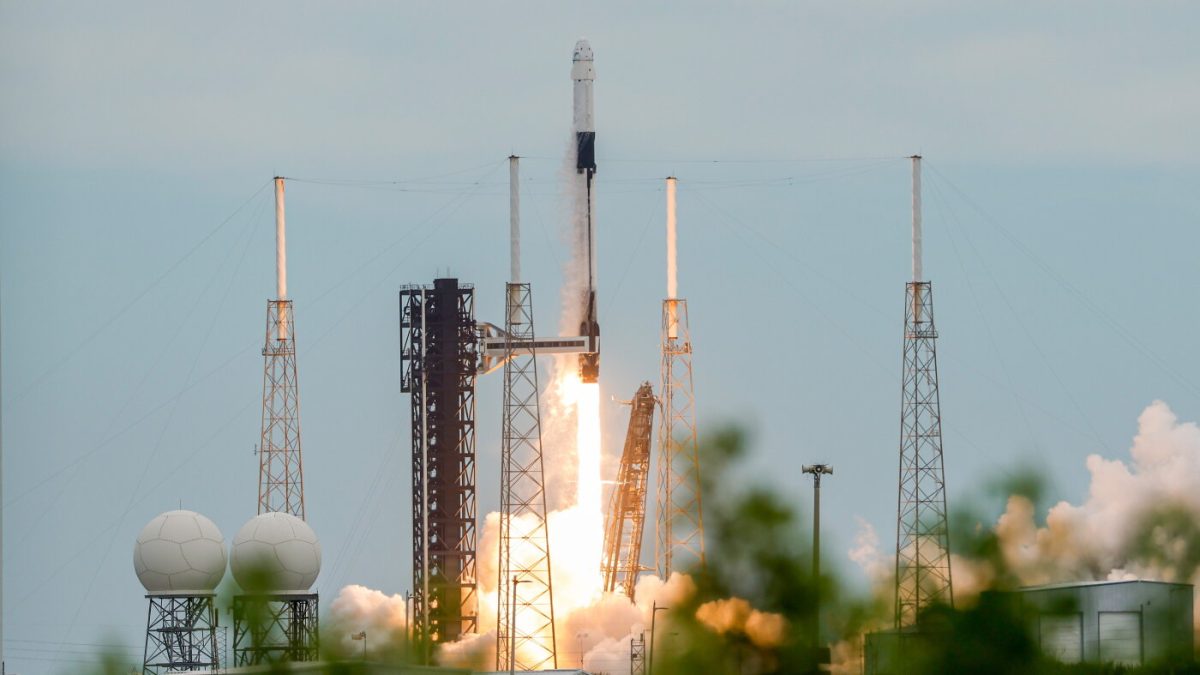
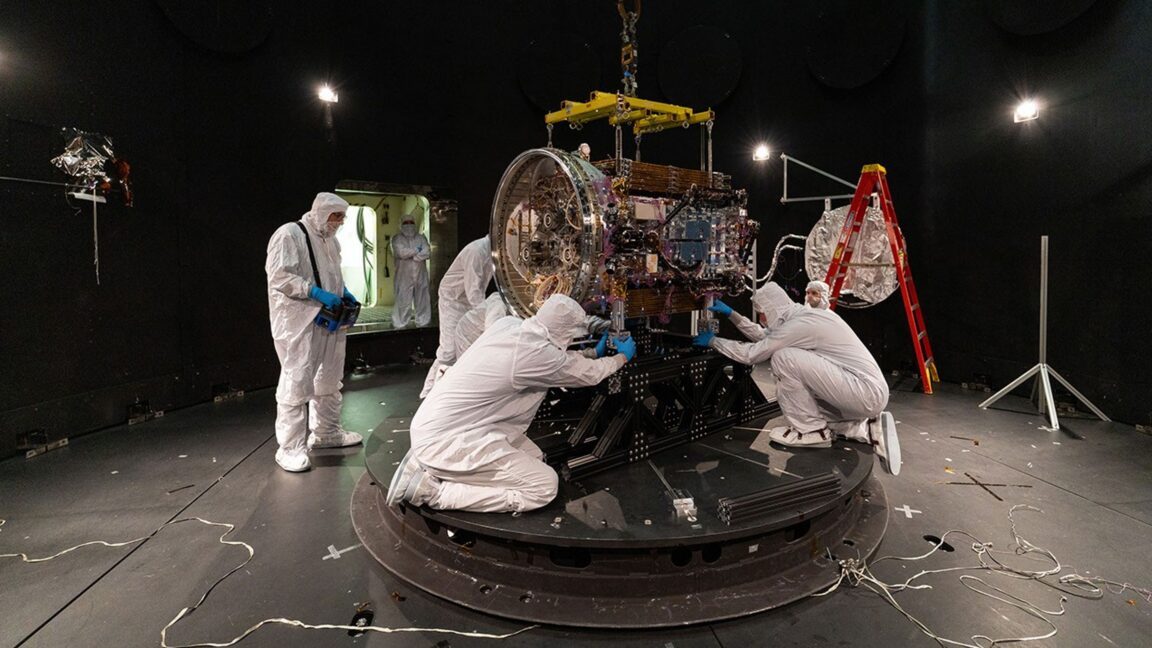
The rescue mission was built by Katalyst Space Technologies under a $30 million contract NASA awarded last September. The company was tasked with rendezvousing with Swift and boosting it into a higher orbit, extending a mission that has operated continuously since its 2004 launch.
Swift, which cost roughly $500 million to build and launch, has spent two decades scanning the sky for gamma-ray bursts — the most energetic explosions in the universe — and feeding those coordinates to observatories worldwide within seconds. Losing it removes a first-responder capability that astronomers have relied on to catch the afterglow of exploding stars before it fades.
The observatory circles Earth in low orbit, where the faint drag of the planet's upper atmosphere steadily saps its altitude. Left alone, Swift will spiral down and disintegrate during reentry. The Katalyst mission was designed to arrest that decay, but the boost did not achieve the altitude gain needed to keep the spacecraft aloft long-term.
NASA has not released a detailed timeline for when Swift will reenter. The agency has not said whether it will attempt a second rescue or accept the loss of the observatory.
The contract with Katalyst, a relatively small player in the satellite servicing field, represented a bet on a commercial approach to extending the life of aging government hardware. NASA has increasingly turned to private companies for on-orbit servicing as budgets tighten and its science fleet ages, and the Swift effort was among the more ambitious tests of that model.
Swift's scientific value extends beyond its own instruments. When it detects a gamma-ray burst, it relays the position to ground-based and space-based telescopes within about 20 seconds, allowing them to observe the event while it is still bright. That rapid-response role has made it a linchpin of multi-observatory campaigns studying black hole formation and neutron star mergers.
The failure leaves NASA with one fewer active astrophysics mission at a time when its flagship observatories, including Hubble and Chandra, are also facing aging-related constraints. Swift's eventual reentry will close out a mission that was originally designed to last about two years.