The National Oceanic and Atmospheric Administration is scaling back research into the 2015-16 super El Niño, the strongest such climate pattern on record, even as scientists say studying it could improve forecasts and save lives during future events.
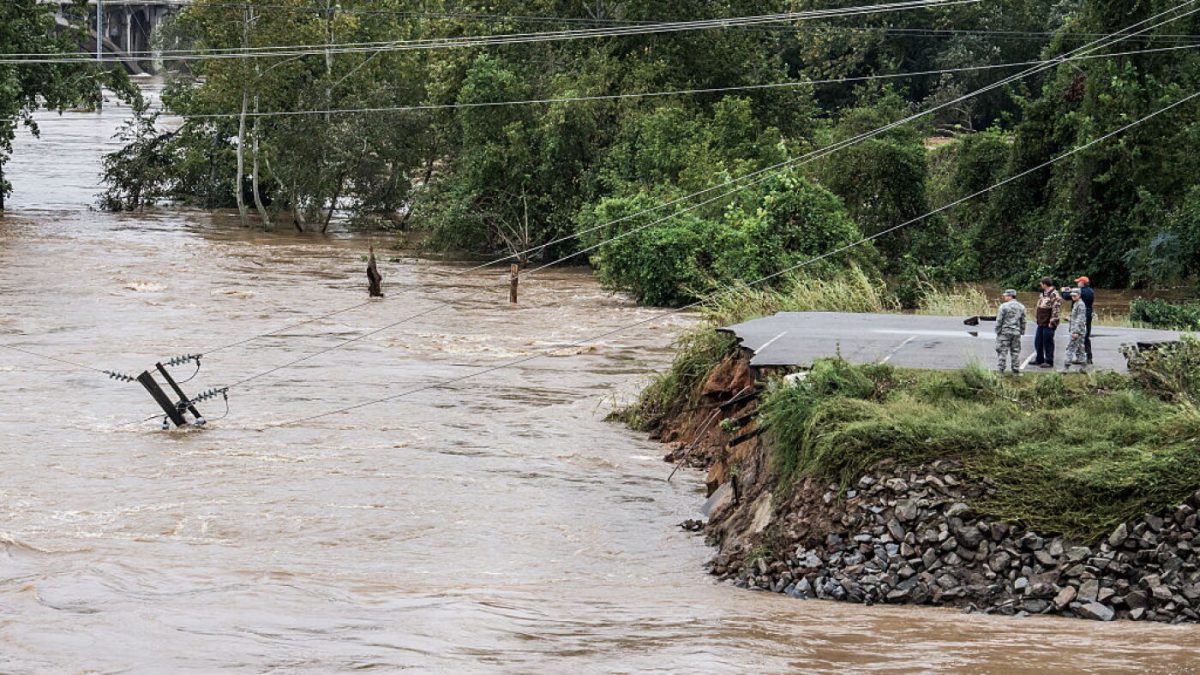
The 2015-16 El Niño warmed a vast stretch of the central and eastern Pacific Ocean to temperatures not seen in at least 50 years, disrupting weather on every populated continent. It contributed to severe drought in Ethiopia that left roughly 10 million people needing food aid, fueled record wildfires in Indonesia, and helped push global average temperatures to their highest level ever measured at the time.
Researchers say that event offers an unusually clear window into how El Niño forms, intensifies, and reshapes rainfall and storm tracks thousands of miles away. Better understanding of the 2015-16 pattern could sharpen seasonal forecasts, giving farmers, emergency managers, and public health officials more lead time before droughts, floods, or disease outbreaks arrive.
NOAA's decision to reduce the research effort means fewer resources devoted to analyzing the mountains of data collected during the event, including measurements from research aircraft, moored buoys, and satellites. The agency has not announced a replacement program of comparable scope.
El Niño occurs when trade winds weaken and warm water piles up along the equator, shifting where tropical thunderstorms form. That shift rearranges the jet stream and changes rainfall patterns worldwide. The 1997-98 El Niño, previously the strongest on record, caused an estimated $35 billion in damage globally and was linked to thousands of deaths, according to NOAA estimates. The 2015-16 event rivaled or exceeded it in intensity.
Forecasters at NOAA's Climate Prediction Center rely on El Niño and La Niña signals to issue seasonal outlooks that utilities, insurers, and agriculture companies use to plan months ahead. Each additional degree of accuracy in those forecasts translates into real economic value, researchers have found.
The 2015-16 El Niño also provided an early test of how a warming climate interacts with natural variability. Scientists found that the event's impacts were amplified by background warming, a finding with direct implications for how future El Niños will behave as ocean temperatures continue to rise.
NOAA has not said how many researchers or which specific projects will be affected by the scale-back. The agency's climate research budget has faced pressure in recent years, with several programs reduced or restructured.