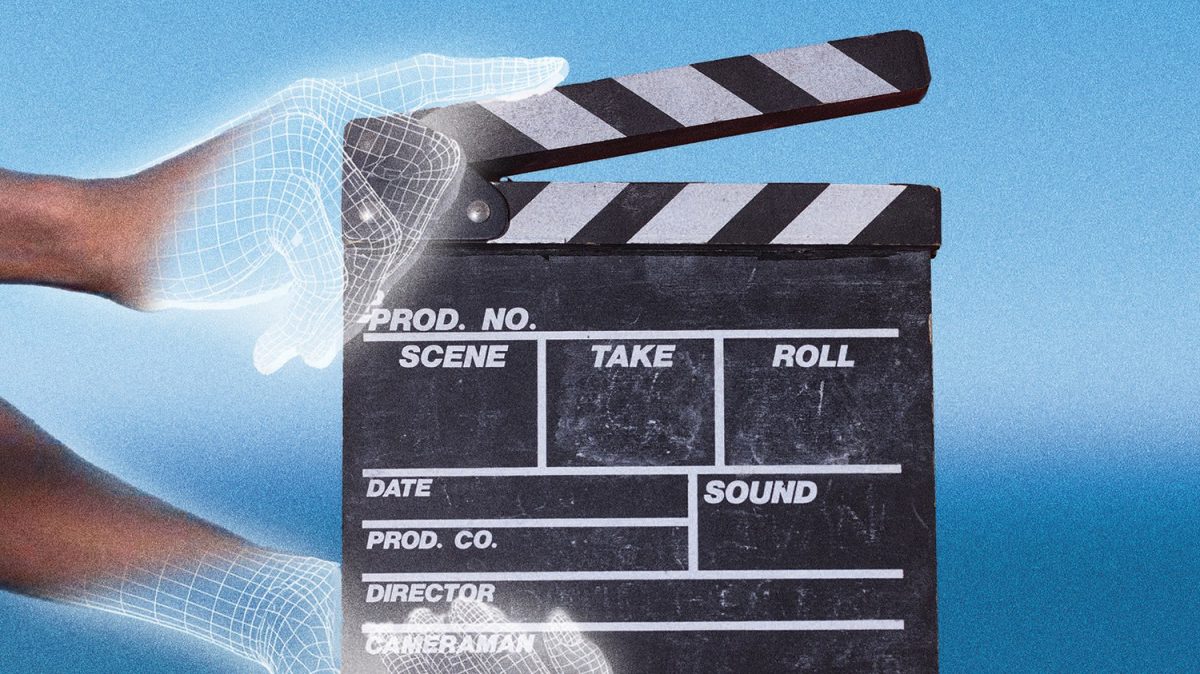
Hollywood's largest studios are moving artificial intelligence into active production workflows, deploying the technology for script coverage, visual effects rendering, de-aging, and post-production editing, according to Variety. The adoption marks a sharp turn from the industry's public posture just two years ago, when studios publicly sided with striking writers and actors who demanded guardrails on AI use.
The shift is driven by cost. Visual effects budgets on tentpole films routinely exceed $100 million, and studios have found that AI-assisted rendering can cut certain post-production timelines by 30% to 50%, according to production executives cited by Variety. De-aging technology, once a six-figure-per-shot expense requiring weeks of manual work, now runs in hours on cloud infrastructure.
Actors and writers who struck for 148 days in 2023 won contract language requiring consent and compensation for digital replicas, but those protections cover performers, not the tools themselves. Studios can use AI for background generation, color grading, and editorial assembly without triggering guild consent clauses because no performer's likeness is reproduced.
The result is a quiet expansion of AI use that falls outside the scope of the contracts signed in late 2023. "The tools are being adopted faster than the rules can keep up with them," one studio post-production supervisor told Variety, speaking on condition of anonymity because of ongoing guild negotiations.
Independent film producers have been faster to adopt the technology than the major studios, largely because AI tools reduce the cost of visual effects that would otherwise be prohibitively expensive on budgets under $10 million. Several films screening at this year's Sundance and SXSW festivals used AI-assisted editing and color correction, though few disclosed it.
The Motion Picture Association has not issued formal guidance on AI disclosure in credits or marketing. The Writers Guild of America and SAG-AFTRA have both signaled they will pursue stronger language in their next contract cycles, with SAG-AFTRA's current television agreement set to expire in June 2026.
Studios including Warner Bros. Discovery, Disney, and Paramount have posted job listings for AI-focused production roles since January, with salary ranges between $120,000 and $220,000 annually. The listings describe responsibilities including "model fine-tuning for visual continuity" and "generative pipeline integration."
Legal exposure remains unresolved. The U.S. Copyright Office has not issued final rules on whether AI-generated visual elements qualify for copyright protection, leaving studios uncertain whether AI-assisted footage can be exclusively owned. Several pending lawsuits against AI model developers, including cases filed by Getty Images and a class of authors, could determine whether training data used to build these tools was lawfully obtained.